

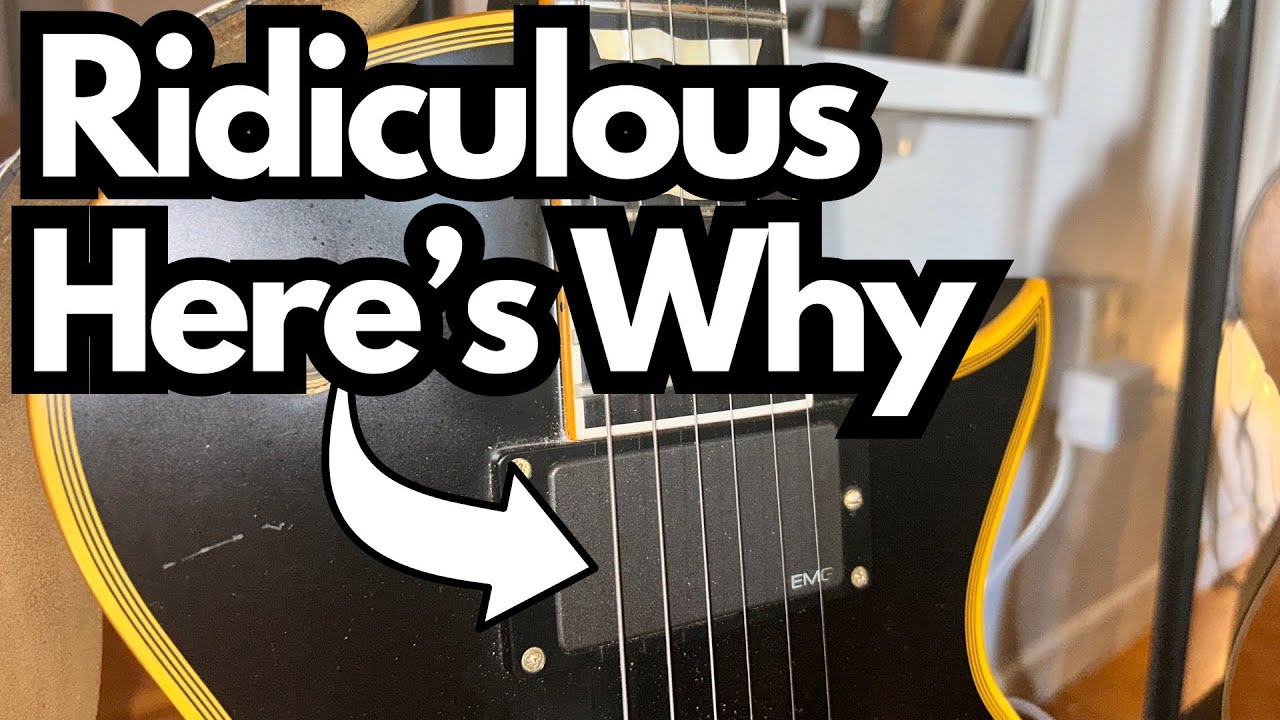
Most guitarists, especially from the heavier genres, have heard of EMG 81 and 85 pickups. They’ve been on countless metal records, used by everyone from Zakk Wylde, Matt Heafy, to James Hetfield, and they’re still a go‑to choice for high-gain tones. You can grab the 85 here on Amazon.
I’ve got two guitars loaded with the EMG 81/85 set—including an Epiphone Les Paul Custom—and after years of playing them, I still think they’re fantastic. If you’re a guitarist chasing tight, saturated distortion and surprisingly usable cleans, these are worth a serious look.
Overview / First Impressions
The classic EMG set pairs:
- EMG 81 – usually in the bridge
- EMG 85 – usually in the neck (but I actually prefer it in the bridge)
These are active pickups, which means they use a built‑in preamp powered by a 9V battery. That preamp is a big part of why they sound so tight, clear, and high-output—especially under distortion.
Despite some negativity you might see online in recent years (often from players favoring more “vintage” or passive tones), I still find the 81/85 combo:
- Incredibly effective for metal and high-gain playing
- Surprisingly musical for clean tones
- Tight and controlled even with a lot of gain
If you’re a modern rock or metal guitarist, they deliver the “plug in and it just works” experience.
Build Quality & Design
The sets I own are older—easy to spot because the EMG logo design has changed over the years—but they’re still the same 81/85 models.
From a guitarist’s point of view:
- Construction is solid – No noise issues, no weird microphonics, and they’ve held up for years.
- Casing is clean and minimal – The classic EMG look: simple, no exposed pole pieces.
- Battery compartment – On many modern guitars, you’ll get a dedicated battery box, making swaps easy. If you’re retrofitting them into a guitar without one, you’ll need to plan battery access.
They’re not flashy visually, but that’s kind of the point: they’re built to work, not to show off.
Features & Functions
High Output & Tight Response
EMGs are known for high output and tight low end. That’s why they’re so popular for:
- Palm-muted riffs
- Fast alternate picking
- Modern metal rhythm tones
You get a lot of gain hitting the front of your amp or modeler, but it doesn’t turn into a muddy mess.
Active Electronics
Because they’re active:
- They compress and smooth the signal a bit
- They keep things consistent across the fretboard
- They’re less noisy than many high-output passive pickups
You do need a 9V battery, so that’s one more thing to maintain. But the tradeoff is a very controlled, polished tone.
81 vs 85: How They Differ
- EMG 81 (common bridge choice)
- Bright, cutting, focused
- Great for rhythm and leads that need to slice through a mix
- Very tight, with a strong upper-mid presence
- EMG 85 (often neck, but I love it in the bridge)
- Warmer and fuller than the 81
- Fantastic for lead tones, especially with distortion
- Excellent for clean tones, particularly with effects like reverb, delay, and modulation
Personally, I prefer the 85 in the bridge. For my playing, it gives me:
- Smoother, singing lead tones
- Fuller cleans
- Still plenty of tightness for heavy riffs
How It Sounds / Use Cases
Distorted & High-Gain Tones
This is where the EMG 81/85 set shines.
For metal and hard rock, you get:
- Tons of gain on tap without losing note definition
- Palm mutes that stay punchy and controlled
- Fast runs and legato lines that come through clearly
The overall feel is tight and aggressive, but not out of control. They really bring out the kind of articulate, saturated sound most high‑gain players are chasing.
Clean Tones
EMGs sometimes get written off as “only for metal,” but the 85 in particular does great clean work:
- Clear and present without being harsh
- Responds beautifully to reverb, delay, and modulation
- Works well for ambient textures, arpeggios, and clean chord work
If you like adding atmospheric effects—chorus, delay, big reverbs—the 85 can sound lush and modern.
Limitations / Things to Know
No piece of gear is perfect for everyone, and EMGs are no exception. A few things to keep in mind:
- Active feel – The built-in compression and preamp give them a more “processed” feel. If you love super dynamic, touch-sensitive vintage tones, these might not be your thing.
- Battery dependence – You’ll need to keep an eye on your 9V battery. A dying battery can mean loss of output or weird behavior.
- Signature sound – EMGs have a very recognizable character. That’s a plus if you want that modern metal clarity, but some players find them a bit too “polished” or “clinical.”
- Not for every genre – While they can handle cleans, they’re not ideal if you live in blues, vintage rock, or low-gain, edge-of-breakup territory.
For high-gain, modern, and metal players, though, these aren’t really drawbacks—they’re part of why the pickups work so well.
Final Thoughts
After years of playing through the EMG 81/85 set on multiple guitars, I’m still a big fan.
If you:
- Play metal, hard rock, or modern high-gain tones
- Want tight low end, lots of output, and clear note definition
- Appreciate smooth, usable cleans—especially with effects
…then the EMG 81/85 combo is absolutely worth your time. Despite some online backlash in recent years, I still think they’re fantastic tools for the modern guitarist.
I especially recommend trying the EMG 85 in the bridge if you’re into saturated lead tones and lush cleans. It’s my favorite configuration.
Resources & Further Study
If you want to go beyond pickups and really unlock the fretboard, here are a couple of useful resources mentioned:
- Fretboard Memorization Cheat Sheet – TravelingGuitarist.com
A practical guide to mastering the fretboard using major and minor triads in every key. It uses the “mapping” approach so you can:- Memorize notes across the neck
- Understand triads as the foundation of harmony
- Start improvising more confidently in different keys
- Traveling Guitarist Forum – forum.travelingguitarist.com
An online community where you can:- Talk guitar, gear, and music
- Ask questions
- Share ideas with other players
If you’re running EMGs (or any pickups, really), combining solid gear with a solid understanding of the fretboard will take your playing much further than hardware alone.