

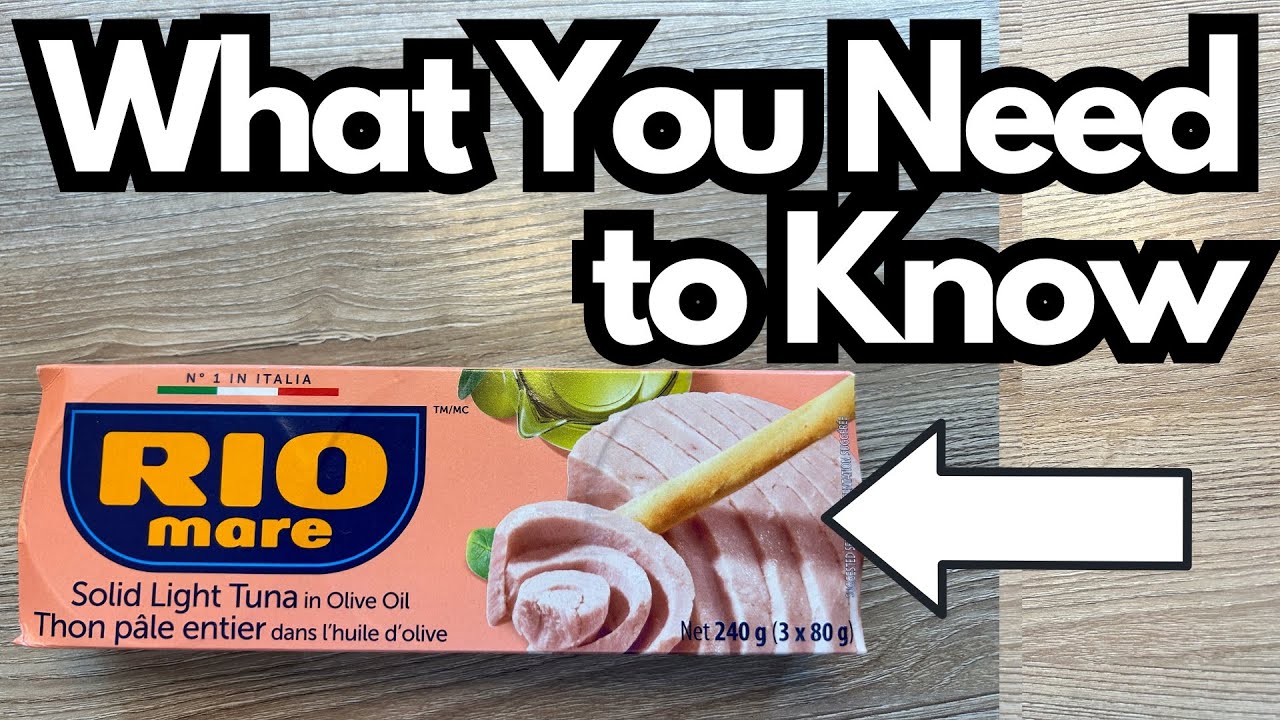
If you like quick, simple, and tasty meals—especially if you’re trying to eat more protein—canned tuna is probably already on your radar. But not all tuna is created equal.
The kind that comes packed in olive oil is a small upgrade that makes a big difference in flavor and texture. You can grab some here on Amazon.
Here’s why this style of tuna has become a staple in my kitchen, and how I like to use it.
Overview / First Impressions
The tuna I keep going back to is a smaller, olive-oil-packed variety. The pieces are usually compact and uniform, making them easy to work with in all kinds of dishes—pasta, salads, rice bowls, or even straight on toast.
What really sets it apart is the olive oil. It adds a richness and depth that water-packed tuna just can’t match. Even when mixed into other ingredients, that subtle, savory flavor still comes through.
Packaging, Build & Design
One practical detail I really appreciate: the can usually comes with a pull tab.
- Easy to open – No need for a can opener; just grab the tab and peel it back.
- Compact size – The cans are small enough to store easily and to use in a single meal without a lot of leftovers.
That pull-tab design might seem minor, but when you’re cooking quickly or on the go, it makes a difference.
Features & What Makes It Different
Here’s what stands out about tuna in olive oil:
- Packed in olive oil, not water
The tuna is fully soaked in olive oil, which:- Enhances flavor
- Keeps the fish moist and tender
- Adds a more natural richness to your food compared to dry, water-packed tuna
- Versatile base ingredient
It works with:- Pasta dishes
- Rice and grain bowls
- Salads and wraps
- Simple meals with veggies or beans
You’re not just adding protein—you’re adding flavor and healthy fats at the same time.
How I Use It (and Why It Tastes So Good)
My basic routine looks like this:
- Open the can using the pull tab.
- Drain most of the oil in the sink. I don’t usually want all that oil in my meal, so I let the excess run off.
- Add the tuna to whatever I’m cooking.
- Mix it in and let the remaining oil do its thing.
Even after draining, a light coating of olive oil clings to the tuna. That’s where the magic is:
- It gives your meal a natural, savory flavor without needing a ton of extra sauce.
- The oil helps distribute flavor throughout the dish.
- The tuna stays juicy instead of dry or chalky.
For simple, quick meals—like a bowl of rice with veggies, or a quick pasta toss—this makes everything taste more “put together” with almost no effort.
Limitations / Things to Know
A few practical points to keep in mind:
- Oil content – There’s a noticeable amount of oil in the can. If you’re watching your fat intake or calories, you’ll probably want to drain most of it, like I do.
- Richer flavor – If you’re used to super lean, water-packed tuna, the olive oil version will taste richer and more pronounced. That’s a plus for me, but it’s worth knowing if you prefer a very neutral flavor.
- Price – Olive-oil-packed tuna is often a bit more expensive than water-packed versions. In my opinion, the flavor upgrade is worth the small extra cost.
Final Thoughts
This style of tuna—small cans, packed in olive oil, easy pull-tab top—has become my go-to. It’s convenient, flavorful, and incredibly versatile. Draining off the excess oil lets you control how rich the final dish is, while still getting that great, natural taste and texture.
If you’ve only ever bought tuna in water, trying one can of tuna in olive oil might change how you think about this pantry staple. It’s a simple upgrade that makes everyday meals taste a lot better with almost no extra work.