

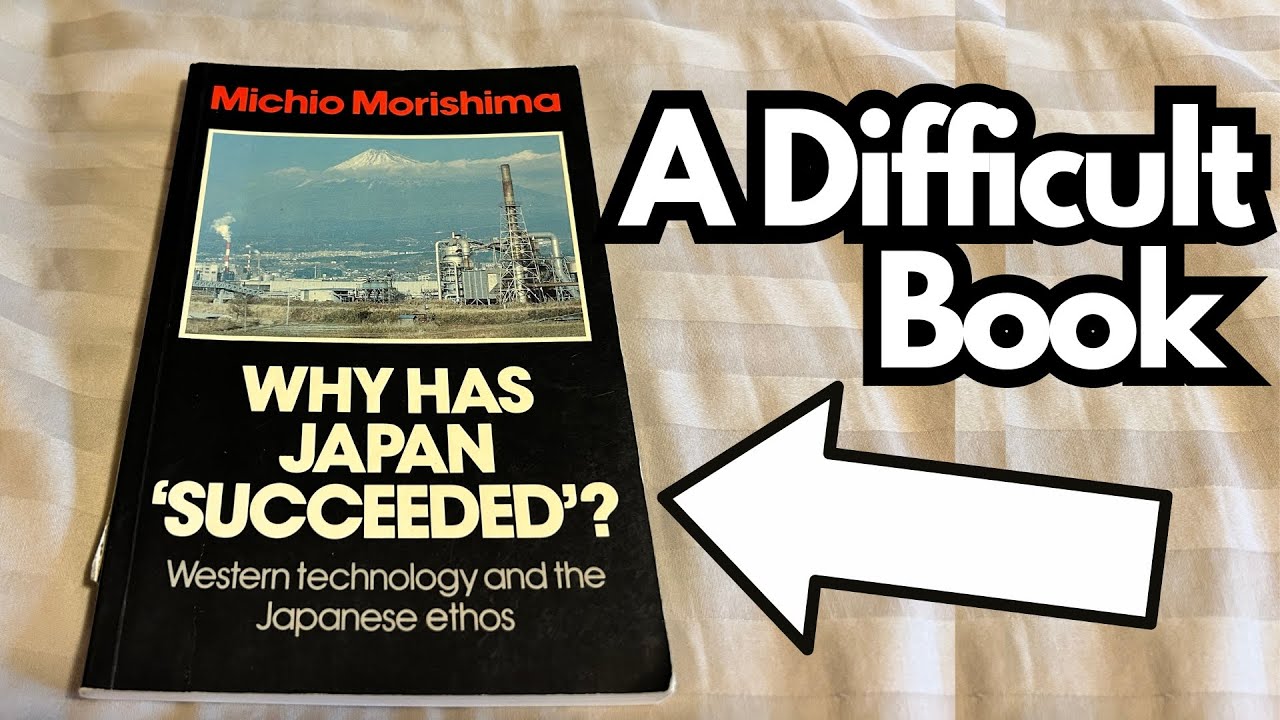
Some books hit you at exactly the wrong time. Maybe you read them in school when you were overloaded, uninterested, or just not ready for what they were trying to do. You walk away thinking, “I hated that,” or “That was way too dense,” and the book gets mentally filed under never again.
But sometimes, it’s not that the book is bad—it’s that your headspace at the time just wasn’t right for it. You can grab it here on Amazon if you’re interested.
This post is about approaching those kinds of books more intentionally, especially if you’re thinking about giving one of them a second chance.
Overview / First Impressions
The first time around, the experience was simple: the book felt dense and boring.
- The content didn’t grab my interest.
- The writing felt “unjustifiably dense”—a lot of effort for not much reward.
- It seemed difficult to get through, which made it even harder to care.
That doesn’t automatically mean the book is bad. It just means that, at that particular moment, it didn’t connect.
Why Some Books Feel “Too Dense”
A book can feel dense for a few reasons:
- Timing: You’re reading it when you’re distracted, stressed, or just not in the mood for heavy material.
- Expectations: You might expect a straightforward story and instead get layered themes, complex language, or slow pacing.
- Skill level: Some books demand more focus, patience, and reading experience than others.
What once felt “unjustifiably dense” might, with a bit more life experience or patience, feel deep, rich, and rewarding.
How to Approach a Difficult Book
If you decide to revisit a book that once turned you off, it helps to go in with a plan.
1. Read With Focus
This isn’t a background-noise kind of read. Treat it like something that deserves your attention:
- Find a quiet space.
- Put your phone away.
- Commit to short, focused sessions (10–20 minutes at a time).
2. Take Your Time
There’s no prize for finishing fast, especially with demanding material.
- Reread paragraphs or pages that don’t make sense.
- Pause to think about what’s being said instead of just pushing forward.
- Let yourself absorb the ideas rather than skimming for plot.
3. Accept That It Might Still Not Be for You
Even with more focus and patience, you might still not love it—and that’s okay.
- Not every book is for every reader.
- Sometimes the value is in trying again and seeing whether your perspective has changed.
Who This Kind of Book Is For
Books like this tend to reward readers who:
- Enjoy unpacking complex ideas.
- Don’t mind slower pacing or dense language.
- Are willing to reread and reflect instead of rushing.
If you’re in the mood for something challenging and you’re prepared to meet the book halfway, you might get much more out of it now than you did in school.
Limitations / Things to Know
Before you dive back in, keep these in mind:
- It may feel like work. That’s not a bad thing, but you should be ready for it.
- You might need breaks. Mental fatigue is real with heavier reading.
- Your experience will be different now. New context, new mindset, and new patience can completely change how the book lands.
Final Thoughts
The fact that a book once felt boring, dense, or difficult doesn’t mean it has nothing to offer you now. It just means that, at that time, it didn’t click.
If you choose to revisit it:
- Go in with realistic expectations.
- Give it your full attention.
- Allow yourself to slow down and actually engage.
You might still decide it’s not your thing—but you also might find that, with a bit of focus and patience, the same book that once frustrated you has a lot more to give.