

If you play guitar, you already know how much context matters. The same chord can feel totally different depending on the song, the band, or the culture around it.
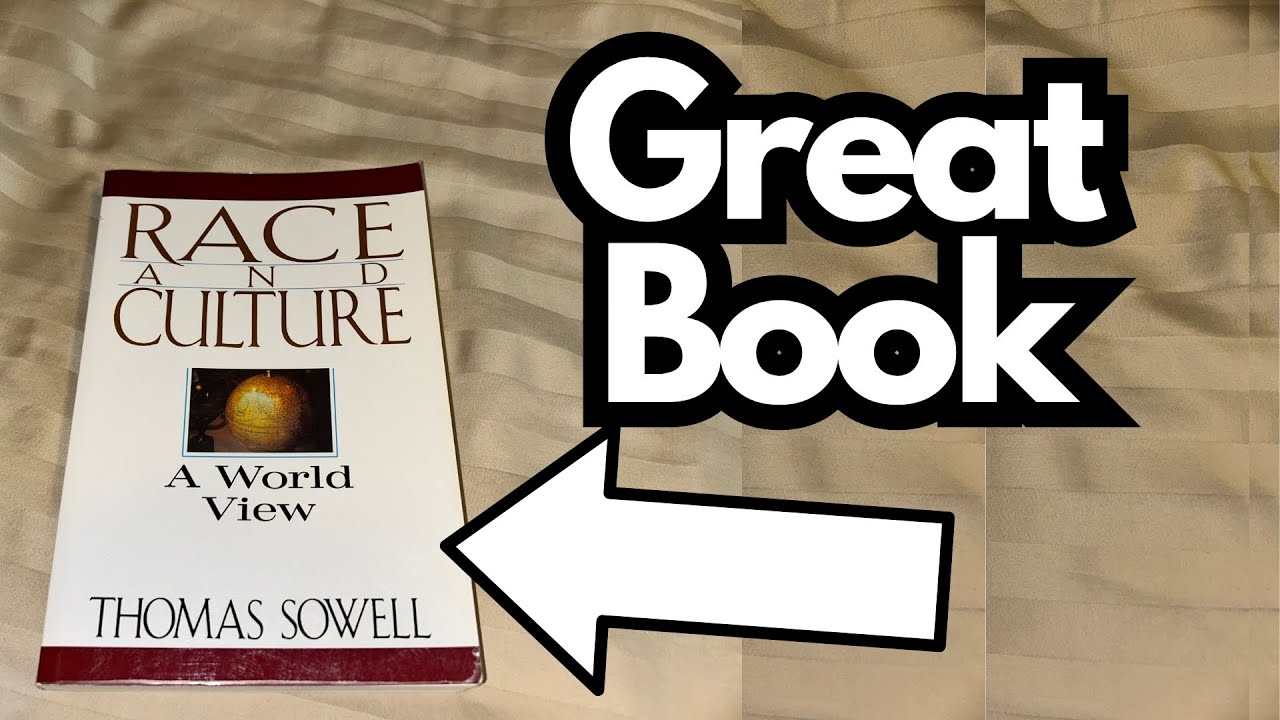
Thomas Sowell’s book Black Rednecks and White Liberals is, in a way, about that same idea—but applied to people, history, and culture instead of music. You can grab it here on Amazon if you’re interested.
This isn’t a music or gear book, but it is the kind of thought‑provoking read a lot of creative people gravitate toward. If you’re the type of guitarist who likes to dig into big ideas while you’re on tour, in the van, or between practice sessions, this book might be worth your time.
Overview / First Impressions
Thomas Sowell is one of the clearest, most pragmatic writers on controversial topics you’ll find. He doesn’t write like an academic talking to other academics; he writes like someone trying to explain complicated issues in plain language.
In Black Rednecks and White Liberals, Sowell explores how different cultural backgrounds—not just race—shape people’s behavior, values, and outcomes in life. He argues that:
- Different racial groups often have distinct cultures, traditions, and norms.
- Those cultural differences can strongly influence social and economic outcomes.
- You can talk about culture and outcomes without making racist claims or ranking one race above another.
Even if you don’t agree with everything he says, the book is engaging and forces you to think more carefully about the stories we tell about race, class, and history.
The book isn’t his strongest work compared to some of his other titles, but it’s still well worth reading, especially if you’re new to his writing.
General Vibe of the Book
Think of Sowell’s writing style like a well-built, no-frills tube amp:
- Solid, reliable, and clear: He doesn’t waste time with academic jargon or fancy language.
- Practical and direct: He builds his case step by step, using historical examples, data, and real-world observations.
- No unnecessary effects: There’s very little fluff. He’s not trying to impress you with style; he’s trying to make you understand.
For a reader used to highly stylized writing, this can feel a bit “dry,” but for someone who appreciates clarity and logic—like a guitarist who loves a great clean tone—it’s refreshing.
What the Book Covers
While the transcript only touches on the general theme, here’s the core idea as presented:
Focus on Culture Over Race
Sowell emphasizes that what really shapes people’s outcomes isn’t race itself, but culture—the beliefs, habits, values, and social norms people inherit.
Different Groups, Different Norms
He looks at various racial and ethnic groups and highlights that:
- Each group carries its own cultural toolkit.
- Those toolkits influence how people approach work, education, family, and community.
Outcomes Without Moral Ranking
A key point for Sowell is that he doesn’t argue that one race is “better” than another. Instead, he argues that different cultural patterns lead to different results, and those differences are worth examining honestly.
Controversial Topics, Calm Tone
Sowell dives into hot-button issues but:
- Avoids inflammatory language.
- Sticks to structured argument and evidence.
- Focuses on cause and effect, not moral grandstanding.
Who This Book Is For
From a guitarist’s perspective, this book will resonate if you:
- Like to think about context
Just as blues, jazz, metal, and country all come from different cultural roots, Sowell is asking: What happens when we ignore the cultural roots behind people’s behavior and outcomes? - Appreciate clear, logical structure
If you enjoy methodical practice routines, theory breakdowns, or well-organized lesson content, you’ll probably appreciate how Sowell lays out his arguments. - Enjoy challenging your assumptions
This is the kind of book that might:- Clash with what you’ve heard in mainstream conversations.
- Force you to reconsider simple narratives about race and inequality.
- Push you to separate culture from skin color in how you think about groups.
It’s not a light “read between takes in the studio” kind of book, but it is a rewarding one if you like big, structured arguments.
Limitations / Things to Know
A few caveats before you dive in:
- Not his absolute best work
Compared to some of Sowell’s other books, this one may not be his strongest or most polished, but it’s still solid and impactful. - Very direct about controversial topics
If you’re sensitive to discussions around race and culture, be aware:- He tackles these issues head-on.
- He’s blunt, but not hateful.
- Some readers may find his conclusions uncomfortable, even if they’re not racist in intent or content.
- Dense with ideas
This isn’t a casual “flip through on your phone” book. You’ll get more out of it if you:- Read in focused chunks.
- Pause to think through his arguments.
- Maybe even jot down thoughts, like you would when breaking down a complex solo or harmony.
Final Thoughts
Black Rednecks and White Liberals is a serious, idea-heavy book by one of the clearest thinkers in modern social commentary. It’s especially worthwhile if:
- You’re a creative person who likes to understand the world beneath the surface.
- You’re interested in how culture shapes people, the same way musical traditions shape genres.
- You want to read someone who tackles controversial topics with logic, evidence, and a calm tone, rather than outrage.
It may not be Sowell’s best book, but it’s still absolutely worth reading, especially if you’ve never engaged deeply with his work before.
Resources / Further Study
If this book grabs you, consider exploring more from Thomas Sowell. Many readers find some of his other titles even stronger in terms of clarity and depth. Checking out his broader catalog can give you a more complete picture of his thinking on culture, economics, and social policy.