

If you play guitar for any length of time, you know the aches: tight lower back from sitting, stiff hips from hunching over the fretboard, sore muscles from long rehearsals or gigs.
Most of us just power through with painkillers, stretching “when we remember,” and the occasional half-hearted attempt at yoga.
There’s a much simpler tool that can make a huge difference—especially for lower back and hip pain—and it doesn’t involve meds, appointments, or expensive gadgets.
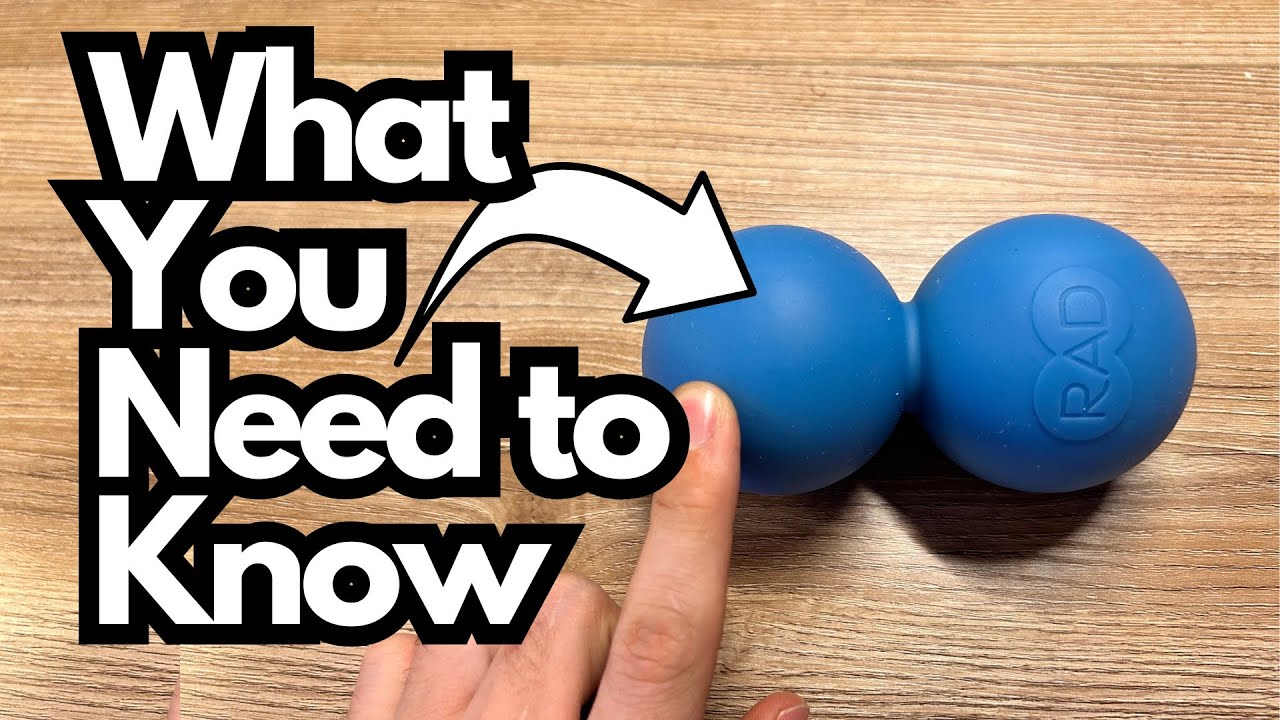
Let’s talk about a small therapy ball (on Amazon) that’s become an absolute must-have in my practice and playing life.
Overview / First Impressions
This therapy ball was originally recommended to me by my personal trainer a few years ago when I was dealing with serious muscle and back pain. I’d tried plenty of things before—stretches, foam rollers, over-the-counter painkillers—but nothing really gave deep, lasting relief.
This ball did.
It’s essentially a firm massage ball designed for self-myofascial release (self-massage). Using it is simple:
- Place it on the floor.
- Position your lower back or hips over it.
- Gently roll your body so the ball travels along either side of your spine and into tight hip muscles.
- Adjust your leg and hip position to “open up” the muscles you’re targeting.
The effect is surprisingly powerful and, for me, almost immediate.
Build Quality & Design
While there are lots of massage balls on the market, a few key details really matter here:
- Density: Firm enough to apply deep pressure to tight muscles, but not so rock-hard that it’s unbearable.
- Size: Small enough to dig into specific spots along the spine and around the hips, but large enough that it doesn’t feel like you’re lying on a pebble.
- Shape: Round and even, so it rolls smoothly along the muscles that run parallel to your spine and into the hip area.
It’s also durable. I’m on my second one—not because it wore out, but because I lost the first and couldn’t stand being without it.
Features & Functions
From a guitarist’s perspective, here’s what this little ball really does for you:
- Targets the lower back
Place it under your lower back and slowly roll so it works along the muscles on either side of your spine. - Opens up the hips
By adjusting how you position your legs—bending, opening, or rotating them—you can shift the pressure into your hip flexors and glutes. This is huge for players who sit for long sessions. - Releases tight muscles
That deep, “stuck” feeling in your back or hips? This ball gets into those trigger points in a way that stretching alone often doesn’t. - Portable and quick to use
No setup, no batteries, no apps. Throw it in your gig bag or keep it in the practice room and use it on the floor for a few minutes whenever you’re tight or sore.
How It Feels & When to Use It
The best way I can describe the effect is this:
Using this ball is like taking a Tylenol for muscle pain—except instead of a pill, you’re using targeted pressure.
- Relief is almost instantaneous.
Within a minute or two of rolling on a painful area, the muscle starts to relax and that sharp or dull ache eases off. - It feels so good it’s almost addictive.
Once you experience that release, you’ll find yourself wanting to use it regularly, especially after long practice sessions, gigs, or days spent at a desk. - Perfect for post-practice or post-gig.
After hours of playing—especially if you sit or lean in one direction—spending 5–10 minutes on the floor with this ball can reset your back and hips. - Great “reset” tool on off days.
Even if you’re not in severe pain, it’s fantastic for maintenance: keeping muscles loose, improving mobility, and preventing those nagging issues from building up.
Limitations / Things to Know
As powerful as this little tool is, there are a few things to keep in mind:
- It’s not a medical treatment.
If you have serious back issues, disc problems, or injuries, talk to a doctor or physical therapist before using any deep pressure tool. - It can be intense at first.
Deep pressure on tight muscles can feel sharp or uncomfortable initially. Start gently, move slowly, and don’t overdo it. - Positioning matters.
You’re rolling along the muscles beside the spine, not directly on the spine itself. Take your time learning how to position your body so the ball hits the right spots safely. - It doesn’t replace movement.
This is amazing for releasing tightness, but you’ll get the most benefit if you pair it with regular movement, light stretching, and better posture while you play.
Final Thoughts
Out of all the “therapy” tools and tricks I’ve tried over the years, this simple massage ball is easily one of the best things I’ve ever bought for my body—and by extension, for my playing.
- It’s cheap.
- It’s portable.
- It delivers fast, powerful relief.
- It helps undo the damage of long hours with a guitar on your lap or over your shoulder.
I lost my first one and immediately bought another because, for me, it’s a must-have. If you’re a guitarist dealing with lower back tension, hip tightness, or general muscle soreness from playing, this kind of therapy ball is absolutely worth adding to your routine.