

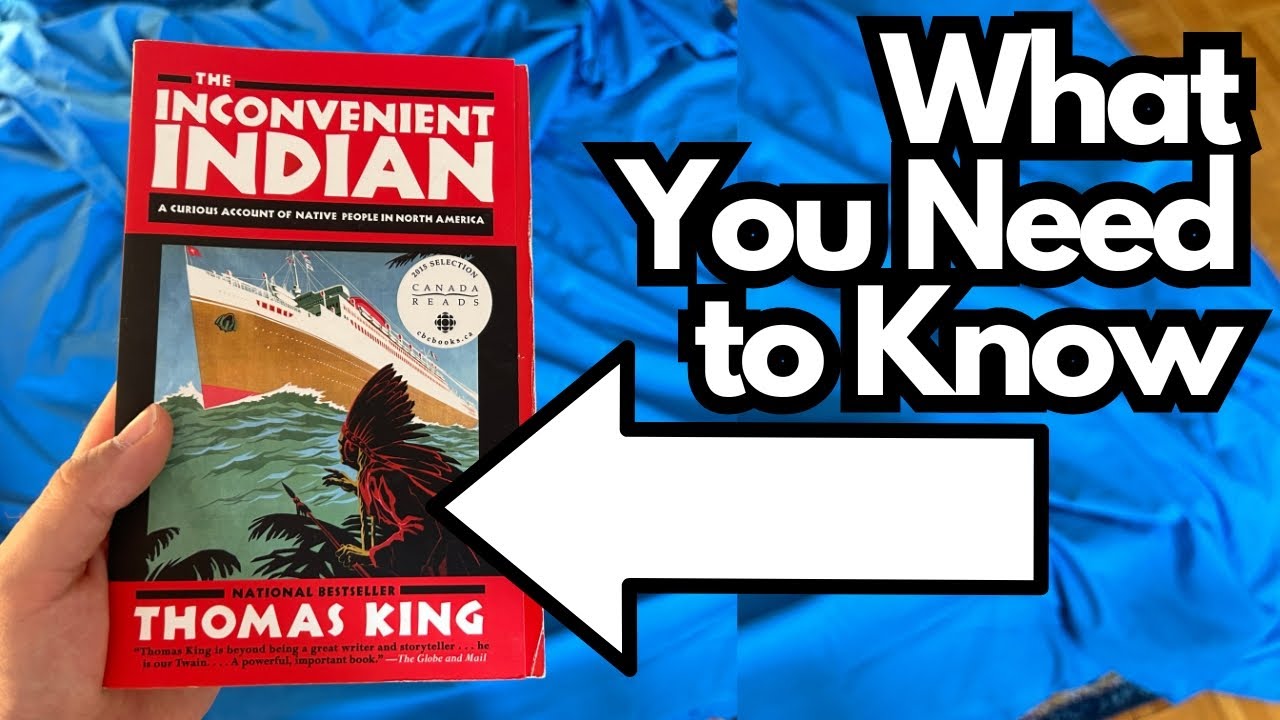
If you’ve ever wanted to understand the relationship between Indigenous peoples and settler society in North America—but felt overwhelmed by dense history books—The Inconvenient Indian is a great place to start. It’s smart, sharp, and surprisingly entertaining for such a heavy subject.
This book is especially worth your time if:
- You live in Canada (or the U.S.) and want a clearer picture of how we got here
- You’re curious about Indigenous history but don’t know where to begin
- You prefer storytelling and humor over dry academic writing
Overview / First Impressions
The Inconvenient Indian stands out because it manages to be both informative and genuinely enjoyable to read. It digs into the history and ongoing struggles of Indigenous communities in Canada (and more broadly in North America), but does so in a way that feels approachable rather than overwhelming.
What immediately comes across is:
- It’s well written and thoughtfully structured
- It’s engaging and often funny, even when dealing with serious topics
- It doesn’t feel like a lecture—it feels like a conversation
If you’re worried this will be a guilt-trip history book that talks down to you, it’s not that. It’s direct and honest, but not preachy or self-righteous.
Writing Style & Structure
Instead of a dry, linear history, the book leans on:
- Storytelling – personal anecdotes, historical narratives, and cultural commentary
- Humor and irony – to highlight contradictions and injustices without losing the reader
- Clear, conversational language – accessible even if you’re not a history buff
The tone is a big part of what makes this work:
- It’s critical without being condescending
- It’s serious without being joyless
- It’s thought-provoking without feeling like homework
That balance makes it easy to keep turning pages, even when the subject matter is heavy.
What You’ll Learn / Use Cases
You won’t come away with every historical date memorized, but you will gain a much clearer sense of:
- How Indigenous peoples have been treated historically in Canada (and North America more broadly)
- How past policies and attitudes still shape the present, from land rights to social issues
- Why many of the problems Indigenous communities face today didn’t just appear out of nowhere—they’re rooted in long-standing systems and decisions
This is a great “gateway” book if:
- You want a big-picture understanding of Indigenous–settler relations
- You’re looking for context behind current conversations about reconciliation, land acknowledgments, or systemic inequality
- You want something engaging enough to recommend to friends, family, or students who might not otherwise pick up a history book
Limitations / Things to Know
A few points to keep in mind:
- It’s not a complete, academic history. If you’re looking for exhaustive detail, footnotes, and dense referencing, this isn’t that kind of book.
- It’s more interpretive and reflective than strictly chronological. The strength is in its perspective and storytelling, not in being a textbook.
- It’s an entry point, not the final word. You’ll likely come away wanting to dig deeper into specific topics and voices.
That said, these “limitations” are also part of what makes it so readable and effective for a broad audience.
Final Thoughts
The Inconvenient Indian is absolutely worth reading if you want to understand even a little bit more about Canadian history and the realities Indigenous communities face. It’s:
- Engaging and often funny
- Clear and accessible
- Honest without being preachy
If you’ve been putting off learning about this part of history because it felt too heavy or too academic, this book is a strong, approachable place to start.
Resources / Further Study
If this book resonates with you, consider following it up with:
- Works by Indigenous authors offering personal narratives and contemporary perspectives
- More detailed histories or documentaries focusing on specific events, treaties, or communities in Canada
- Local resources and organizations in your area that share Indigenous history and culture
The Inconvenient Indian is a solid first step—what you do with that awareness afterward is where the real impact begins.