

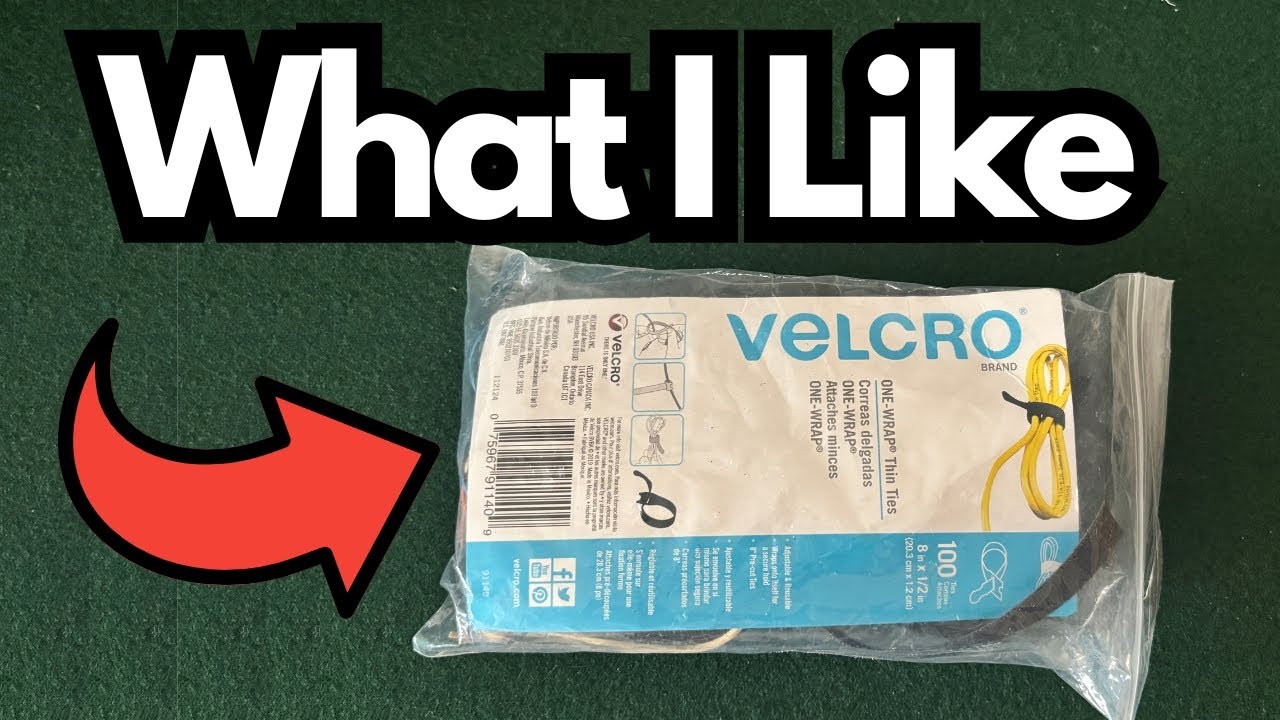
A cluttered floor or pedalboard isn’t just annoying—it can be noisy, unsafe, and a pain to set up and tear down.
That’s where simple Velcro cable ties come in. They’re inexpensive, reusable, and one of the easiest upgrades you can make to your rig. Let’s walk through how they work and why they’re worth using on every cable you own.
You can grab some here on Amazon if you’re interested.
Why Velcro Cable Ties Matter for Guitarists
Whether you’re:
- Running a pedalboard with multiple patch cables
- Dealing with long guitar leads on a small stage
- Managing power supplies and extension cords in a home studio
Velcro ties help you:
- Keep everything neat and organized
- Avoid tangles and knots
- Protect cables from kinks and damage
- Speed up setup and teardown
They’re not glamorous gear, but they make your life a lot easier.
How These Velcro Ties Work
These are simple, reusable Velcro straps you loop through themselves and then wrap around a cable.
Basic Design
Each tie typically has:
- A slotted end – you feed the other end through this to create a loop
- A Velcro surface – one side hooks, one side loops, so it sticks to itself
- A flexible strap – usually soft enough not to damage the cable jacket
Once you attach one to a cable, it can live there permanently so you never lose it.
How to Use Them
1. Attach the tie to the cable
- Wrap the thin end around the cable.
- Feed it through the slot so it cinches down.
- Now the tie is “anchored” to that cable and won’t fall off.
2. Coil your cable
Coil your guitar or patch cable as you normally would. The over-under method is best to avoid twists and extend the life of the cable.
3. Wrap and secure
- Wrap the Velcro strap around the coiled cable.
- Press it down so the Velcro hooks and loops grab each other.
That’s it—the cable is now neatly bundled and ready for storage or transport.
Real-World Use Cases in a Guitar Rig
Here’s how these ties are commonly used in practice:
1. Guitar Cables
Long guitar cables can be overkill in small rooms or practice spaces. Instead of having extra length sprawled across the floor:
- Coil the excess and secure it with a Velcro tie.
- Keep a tie permanently attached to each guitar cable so it’s always ready to wrap.
You’ll often see them used this way on regular instrument cables—just a small strap near one end of the cable.
2. Patch Cables on a Pedalboard
Patch cables between pedals can get messy fast. Velcro ties help you:
- Bundle extra length behind or under the board
- Separate power and audio runs to reduce noise
- Keep everything from turning into a knot when you move your board
3. Power Cables and Power Strips
Power supplies, IEC cables, and extension cords are usually the worst offenders:
- Tie up extra length so it doesn’t pile up under your feet
- Keep your power cables grouped and labeled if you’re running a bigger rig
- Make teardown faster by having each cable already bundled
Build Quality & Reliability
The Velcro ties described here are:
- High quality – they stick well and don’t peel apart easily
- Durable – they hold up to regular wrapping and unwrapping
- Reusable – unlike zip ties, you can adjust and reuse them endlessly
Every now and then one might break (especially after a lot of use), but overall they perform exactly how you’d expect: they stick, they hold, and they make cable management painless.
Limitations and Things to Keep in Mind
- They’re not a permanent fix – if you need something to never move (like a permanent install), zip ties or clips might be better.
- They won’t fix bad coiling habits – if you twist and kink your cables, Velcro won’t save them. Learn proper cable coiling for best results.
- Very cheap ties can wear out faster – if you’re using them constantly, it’s worth getting decent-quality ones.
Final Thoughts
Velcro cable ties aren’t exciting, but they’re one of the most useful “invisible” tools in any guitarist’s setup. They:
- Keep guitar, patch, and power cables neat
- Make your rig easier to manage and transport
- Help your space look cleaner and more professional
If your cables are currently in a tangled pile, a handful of these ties will make a bigger difference than you’d expect.