

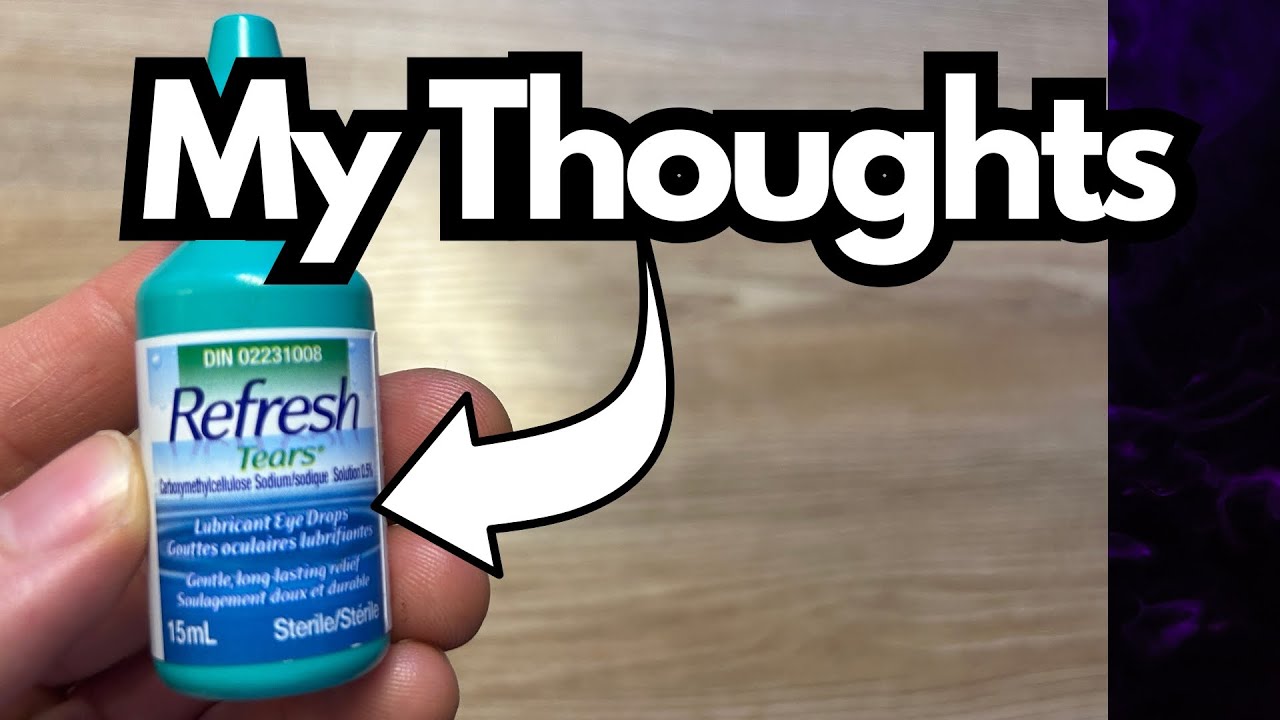
If you wear contact lenses or spend long hours staring at screens (like most of us), a good bottle of eye drops can be as essential as a tuner is to a guitar player. Dry, tired, or irritated eyes can make practice, gigs, and studio sessions really uncomfortable.
These particular eye drops (on Amazon) stand out for one main reason: they’re simple, gentle, and don’t rely on antihistamines or other active drugs to do their job. If you’ve ever had your pupils dilate or your contacts feel weird after using certain drops, this will be a welcome change.
Overview / First Impressions
This is the bottle I keep coming back to. It’s become my go‑to eye drop solution because:
- It doesn’t contain antihistamines.
- It doesn’t dilate my pupils.
- It plays nicely with contact lenses.
- It feels light and refreshing rather than harsh or medicated.
In short, it does exactly what I want eye drops to do: add moisture and comfort without side effects.
Build Quality & Design
The bottle is a standard plastic squeeze design—nothing fancy, but functional. It’s easy enough to use, but there is one minor gripe:
- Tip size & bottle shape: The bottle could be a bit smaller or more ergonomic to make it easier to aim drops directly into the eye. As it is, it works, but a more compact design would improve precision, especially when you’re trying to use it quickly between takes or during a set.
Aside from that, the packaging is straightforward and durable enough to toss in a gig bag, backpack, or case pocket.
Features & Functions
Here’s what sets these drops apart:
- No antihistamines or similar actives
That means:- No medicated “kick” or sting.
- No pupil dilation.
- Less risk of interactions with other eye products.
- Moisturizing and refreshing
The main function is simple lubrication and hydration. You get a clean, refreshing feel without any drama. - Contact‑lens friendly
You can use these with contacts in, and they don’t seem to:- Cloud the lenses.
- Cause discomfort.
- Create that filmy residue some drops leave behind.
How It Feels / Use Cases
In real‑world use, these drops are:
- Gentle: Even if you use a bit more than you need, they don’t cause burning or irritation.
- Forgiving: If you accidentally over‑apply, it doesn’t turn into a problem—just a little extra moisture.
- Reliable for long days: Ideal for:
- Long practice sessions.
- Late‑night editing or mixing on a screen.
- Dry rehearsal spaces or air‑conditioned venues.
- Daily contact lens wear.
You get that instant “ahh” feeling without the sense that you’ve just dumped a chemical cocktail into your eyes.
Limitations / Things to Know
A few practical notes:
- Bottle ergonomics could be better
The main downside is the size and shape of the bottle. A slightly smaller or more tapered design would make it easier to aim a single drop into your eye, especially if you’re doing it quickly or one‑handed. - Not a medicated solution
Because there are no antihistamines or similar ingredients, this is more about moisture and comfort than treating allergies or serious irritation. If you need something specifically for allergies, you’ll want a different product—but this is great for everyday relief.
Final Thoughts
If you’re looking for a simple, non‑medicated, contact‑safe eye drop that you can use throughout the day without worrying about pupil dilation or weird side effects, this is a solid choice.
It’s gentle, refreshing, and does exactly what you’d want a basic lubricant drop to do—no more, no less. Aside from a slightly clunky bottle design, there’s very little to complain about. For everyday dryness and contact comfort, it just works.