

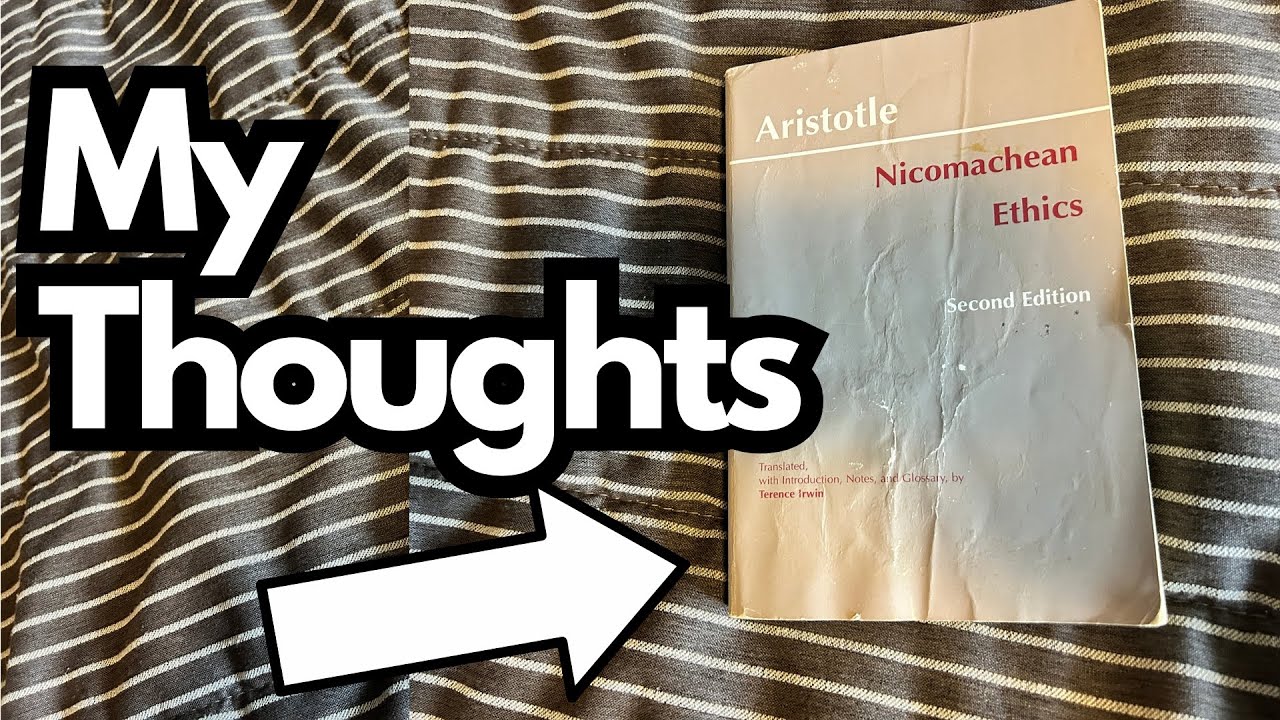
If you’ve ever wandered into the world of classic philosophy—maybe chasing ideas about creativity, discipline, or “the good life” as a musician—you’ve probably heard of Aristotle’s Nicomachean Ethics. It’s one of those heavyweight texts that gets referenced all the time in discussions about morality, virtue, and how to live well.
But is it actually worth reading cover to cover, especially if you’re not a philosophy nerd?
This post gives you a straight-to-the-point perspective so you can decide if this book deserves a spot on your shelf or if you’re better off with a summary. You can grab it here on Amazon if you’re interested.
Overview / First Impressions
The honest take: this is a dense, old-school philosophy book. The speaker doesn’t even remember reading it clearly, which tells you something about how engaging it was for them.
If you’re not already into Aristotle, ancient Greek thought, or deep dives into ethics and political philosophy, this is going to feel like a slog. It’s not light reading, and it’s not written with modern attention spans in mind.
For most casual readers, this is probably a pass.
Who Nicomachean Ethics Is For
This book might be for you if:
- You’re genuinely interested in Aristotle and classical philosophy
- You enjoy reading about ethics, virtue, and political economy in a historical context
- You like working through challenging, foundational texts rather than modern summaries
It’s probably not for you if:
- You just want practical life advice in a clear, modern style
- You’re looking for something quick and engaging
- You’re only mildly curious about philosophy
What the Book Is About (In Simple Terms)
Without getting too academic, Nicomachean Ethics is Aristotle’s exploration of:
- What it means to live a good life
- The nature of virtue (courage, temperance, justice, etc.)
- How habits shape character
- How ethics connects to politics and society
It’s hugely influential—countless later thinkers build on or react to Aristotle’s ideas—but influence doesn’t automatically make it enjoyable to read.
Practical Recommendation
If you’re deeply into philosophy:
Pick up a copy and work through it slowly. It’s one of the core texts in Western ethical thought.
If you’re just curious or want the main ideas:
A good summary, guide, or commentary is probably a better use of your time. You’ll get the key concepts without wrestling with archaic language and structure.
The original speaker’s blunt advice:
“For me that’s a hard pass. I’d just get a summary if I were you.”
Limitations / Things to Know
- Dated style: Written in an ancient context, with assumptions and references that don’t always translate cleanly to modern life.
- Not a quick read: This is study material, not a casual evening book.
- Requires patience: To really get value, you’ll likely need secondary sources, lectures, or notes.
Final Thoughts
Nicomachean Ethics is historically important, but importance and enjoyment aren’t the same thing. Unless you’re already drawn to Aristotle or serious philosophical study, you’ll probably get more value—and save a lot of time—by starting with a solid summary or modern commentary instead of diving straight into the original text.
If curiosity keeps pulling you back, then grab a copy. Otherwise, don’t feel guilty about skipping to the highlights.