

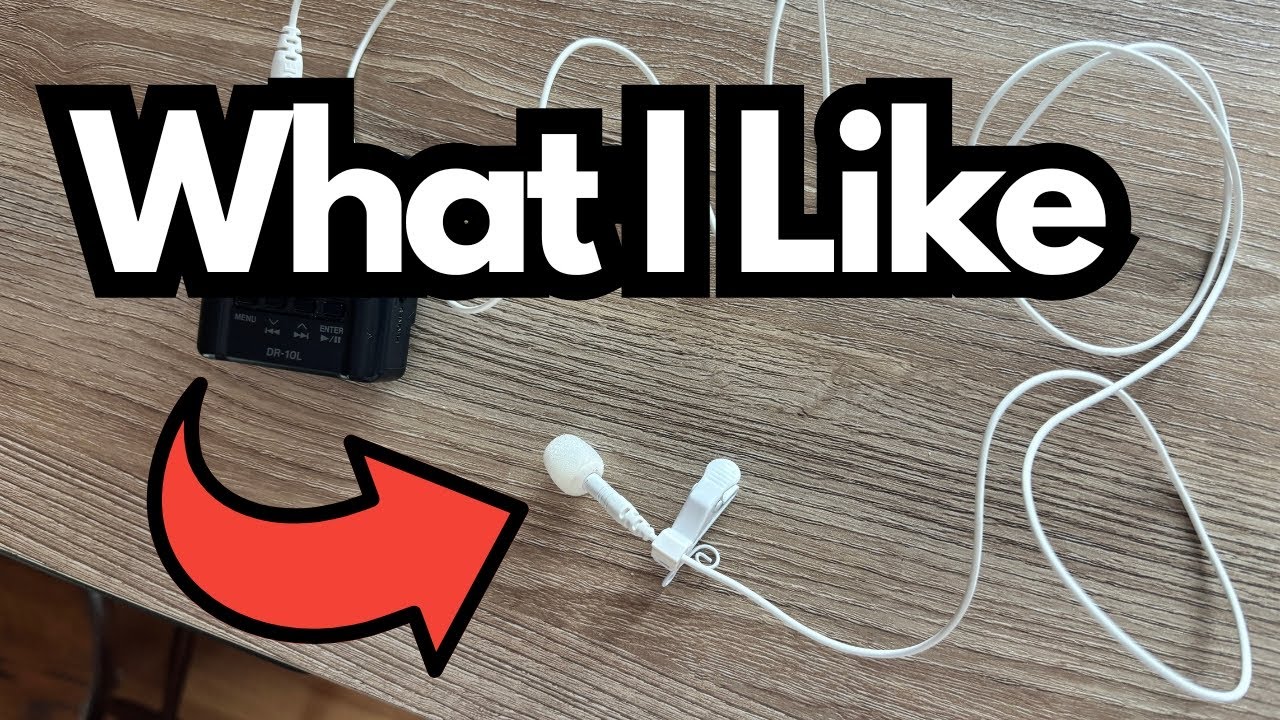
A solid lavalier setup can make the difference between “home video” and “pro content,” and sometimes the weakest link is surprisingly simple: the cable.
You can grab one here on Amazon if you’re interested.
Overview / First Impressions
The RØDE cable was picked up as a direct replacement for a problematic Tascam lavalier mic cable.
Initial takeaways:
- Noticeable improvement in audio quality over the original stock lav mic
- Slimmer, lighter cable than expected
- Excellent clip design that keeps the mic from rubbing against clothing
- Overall, does what it’s supposed to do with no major issues so far
If you’re recording guitar lessons, gear reviews, or performance videos and want reliable spoken-word audio, this kind of upgrade can be a simple but meaningful step up.
Build Quality & Design
Cable Thickness
The first thing that stands out is the cable itself:
- Thinner than the original Tascam cable
- Feels a bit less sturdy in the hand
- More flexible and light, which can be nice for hiding it on camera
The thinness isn’t necessarily a dealbreaker, but if you’re used to a chunkier cable, this one may feel a bit delicate. Long-term durability is still a question mark and will really show itself after a few months of regular use—especially if you’re constantly coiling, packing, and moving your rig.
The Clip: Small Detail, Big Difference
The standout design feature is the clip that comes with the cable:
- The way the mic fastens into the clip keeps it slightly off the fabric
- When clipped to a shirt, jacket, or similar clothing, the mic doesn’t rub directly against the material
- This greatly reduces unwanted rustling noise from movement
For content creators, this is huge. Clothing noise can ruin an otherwise good take, especially if you’re moving around while playing guitar or demonstrating gear. The clip design here is a genuinely useful touch.
Features & Practical Use
From a practical standpoint, here’s what matters most in use:
- Improved audio quality
Compared to the stock Tascam lav mic, this cable delivers a bit of a step up in sound quality. Dialogue comes across clearer and more usable with less fuss in post. - Secure attachment
The clip holds onto shirts, jackets, and similar fabrics firmly. Once it’s on, it stays put, which is essential if you’re recording multiple takes or longer videos. - Comfort & discretion
The thinner cable and small clip make it easier to hide the cable on camera and more comfortable to wear for longer sessions.
How It Performs for Content Creators
From a guitarist/content creator’s perspective:
- Talking-head lessons & tutorials – Your explanations come through clearer than with the stock cable, and you’re less likely to get ruined takes from clothing noise.
- Gear demos – If you’re leaning forward, turning to show pedals or amps, or reaching for knobs, the reduced fabric rub helps keep the audio consistent.
- Performance videos – The lighter cable stays out of the way and doesn’t tug as much on your clothing or distract you while playing.
In short, it does what you want a lav cable to do: stay invisible and sound clean.
Limitations / Things to Know
A few points to keep in mind:
- Cable feels a bit thin
Might not inspire as much confidence as a thicker, more rugged cable, and long-term durability is still to be seen. - Not a dramatic overhaul, but a refinement
It’s an upgrade in clarity and usability over a stock lav, but it won’t magically turn a noisy room into a treated studio.
If you’re rough on your cables or constantly mobile, you might want to treat this one with a bit of care—avoid hard yanks, tight knots, or stuffing it loose into a gear bag.
Final Thoughts
This RØDE lavalier cable and clip setup is a solid, straightforward upgrade over a basic stock lav mic cable:
- Better overall audio quality
- Excellent clip design that minimizes clothing noise
- Light and easy to wear, though a bit on the thin side
For guitarists and content creators who rely on clear spoken audio for lessons, demos, and reviews, it does exactly what you’d hope: it works, sounds better than the stock option, and stays out of the way. The only real wish is for a slightly sturdier-feeling cable—but functionally, there’s little to complain about.