

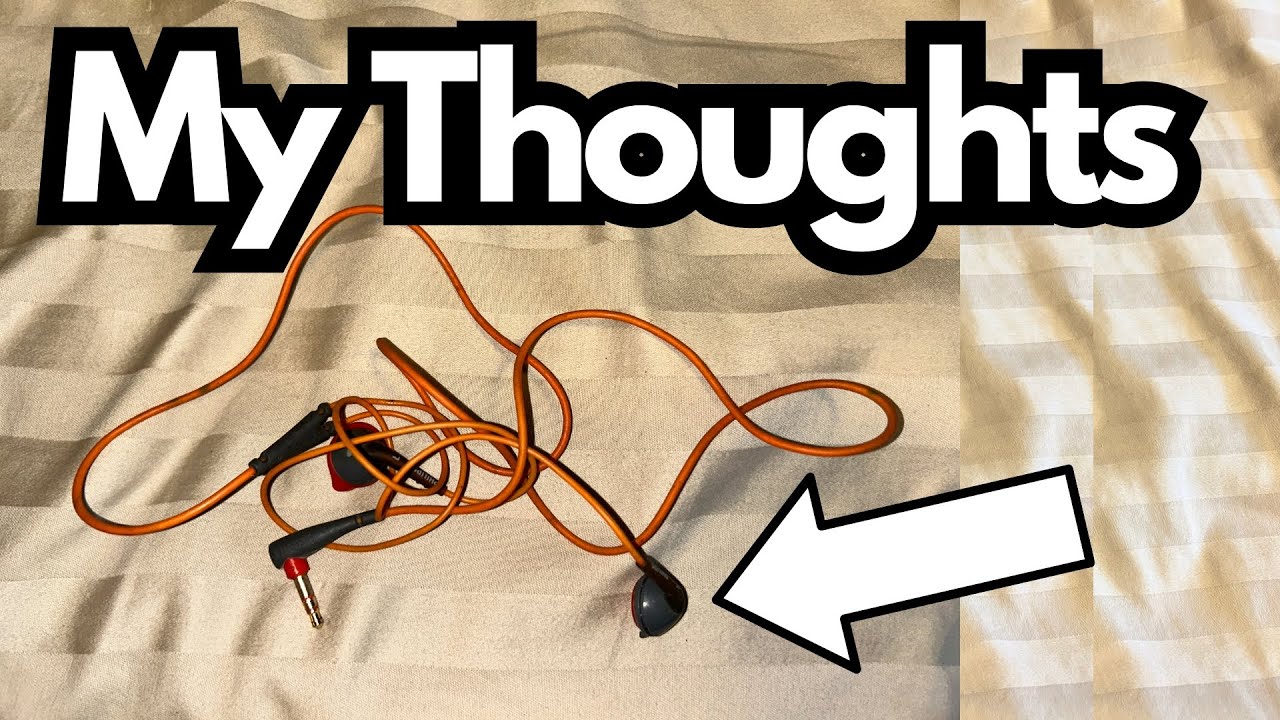
If you’ve ever dug through an old drawer and found a pair of forgotten earbuds, you know the question that comes next: are these still any good? That’s exactly what happened with this pair of Philips in‑ear headphones I’ve had for well over a decade.
They’re not some high‑end, audiophile model, but they do say something important about budget gear: sometimes comfort and reliability matter more than “wow” factor. You can grab them on Amazon if you’re interested.
Overview / First Impressions
These Philips in‑ear headphones have been with me for around 15 years. I recently pulled them out of storage, plugged them in, and they still work.
In terms of sound, they’re…fine. Not amazing, not terrible—just okay. If you’re used to modern mid‑range or premium headphones, you’ll notice the difference immediately. But if you just want something that gets the job done for casual listening, they’re serviceable.
Where they stand out is not in sound quality, but in longevity and practicality.
Build Quality & Design
Even after many years, the headphones are still functional, which says a lot about the basic build quality:
- Durable enough for long‑term use – No broken drivers, no shorted cable, no dead side.
- Standard in‑ear design – Simple, lightweight, and easy to wear.
- Replaceable ear tips – I’ve actually lost the tip on one side, but that’s fixable with generic replacement tips.
They were never built like a tank, but if you treat them with reasonable care, they seem to hold up impressively well over time.
Features & Everyday Use
These aren’t packed with modern features—no Bluetooth, no ANC, no touch controls. They’re old‑school wired earbuds.
What they do offer:
- Comfort – Surprisingly comfortable for long listening sessions. The light weight and simple in‑ear design mean they don’t cause much fatigue.
- Reliability – They just work. No pairing, no battery, no firmware, no app. Plug them in and you get sound.
For someone who wants a no‑nonsense wired option for a phone (with adapter), laptop, or portable device, they still make sense.
How They Sound & Best Use Cases
From a sound perspective:
- Overall quality: average – The audio is listenable but not impressive.
- Detail and clarity: limited – Don’t expect crisp highs or deep, controlled bass.
- Best for:
- Podcasts and audiobooks
- Background music while working or commuting
- Casual listening where you’re not analyzing the mix
If you’re a musician, producer, or serious listener, these won’t be your first choice for critical listening or mixing. But as a backup pair to throw in a bag or keep at the office, they’re fine.
Limitations / Things to Know
There are a few clear drawbacks:
- Sound quality is just “okay” – Perfectly usable, but easily outclassed by modern budget and mid‑range options.
- Lost or worn tips – Like any in‑ear headphone, you can lose or wear out the silicone tips over time. Replacements are cheap, but you’ll need them for proper fit and isolation.
- No modern features – If you’re used to wireless, noise cancelling, or built‑in mics and controls, these will feel very bare‑bones.
Final Thoughts
These Philips in‑ear headphones are a reminder that not every piece of gear needs to be spectacular to be useful. The sound quality is nothing special, and there are far better options available today if you’re buying new.
But:
- They’re comfortable.
- They’re reliable.
- They’ve survived 15 years and still function.
If you already own a pair like this, they’re worth hanging onto as a backup or casual listening option. If you’re shopping today, they’re a good benchmark for what “basic but dependable” looks like—but you can likely find something that sounds better without spending much more.