

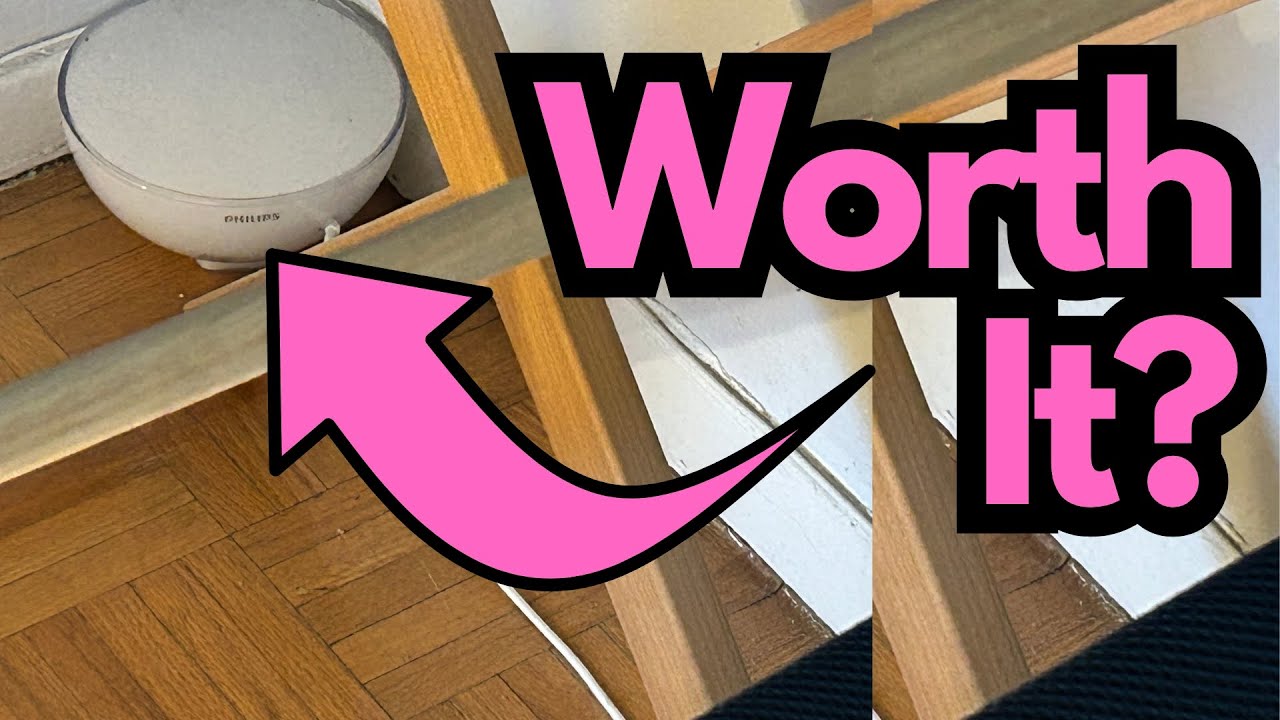
If you’re a guitarist or home studio musician, lighting is more than just decoration. The right light can set the mood for practice, recording, streaming, or late‑night editing sessions.
The Philips Hue Go is one of those small, portable smart lights that promises to do exactly that—without any hassle. If you’re interested, you can grab one here on Amazon.
After using the Philips Hue Go for two years straight, here’s how it’s held up and why it might be a solid addition to your studio, practice space, or bedroom setup.
Overview / First Impressions
The Philips Hue Go is a small, bowl-shaped smart light you can drop pretty much anywhere—on a desk, in a corner, behind an amp, on a shelf, or even on the floor behind your pedalboard for a cool backlight.
In daily use, the most impressive thing is simple: it just works.
- No weird glitches
- No random disconnects
- No noticeable latency when controlling it through the app
You open the app, change the color or brightness, and it responds instantly. For something that’s meant to disappear into your environment and just quietly do its job, that reliability matters a lot.
Build Quality & Design
The Hue Go is designed to be both portable and permanent, depending on how you want to use it:
- Compact, self-contained unit – It sits nicely on a flat surface and angles the light slightly upward, which is great for filling a corner or washing a wall with color.
- Simple, clean look – No clutter, no exposed bulbs. It blends into most rooms and setups without drawing attention when it’s off.
- Feels solid – After two years of use, there are no issues with the casing or controls. It’s the kind of gear you set and forget.
For a guitarist’s space, it doesn’t scream “smart gadget.” It just looks like part of the room.
Features & Functions
Here’s what stands out in real-world use:
Smart control via app
You can control it from your phone (through the Philips Hue app), changing:
- Colors
- Brightness
- Scenes / moods
Battery or plug-in options
The Hue Go can run on its internal battery or stay plugged into the wall:
- Plugged in – Brighter, better for permanent spots like a studio corner or behind your monitors.
- On battery – More flexible, easy to move around the room or house.
Always ready
Over two years, it’s never required:
- Unplugging and replugging to “fix” it
- Resets due to bugs or freezes
From a workflow perspective, that’s huge. The last thing you want when you’re about to record or stream is fiddling with a smart light that refuses to connect.
How It Feels to Use (For Guitarists & Creators)
The Hue Go doesn’t affect tone, of course—but it absolutely affects vibe. And that matters when you’re playing or creating.
Some practical uses:
Studio corner light
Set it in a corner to wash the wall in a soft color. Great for:
- YouTube/Instagram backgrounds
- Making your amp or guitar rack look more interesting on camera
- Reducing harsh overhead lighting during late-night mixing or practice
Mood lighting for practice
Use dim, warm light for relaxed noodling or writing sessions; cooler, brighter light when you want to stay focused and alert.
Live streaming or video content
A single Hue Go in the background can instantly upgrade the look of your shot. Soft color behind you makes your foreground (you + guitar) pop more on camera.
Because there’s no noticeable latency, you can adjust scenes or colors on the fly from your phone without waiting or dealing with lag.
Limitations / Things to Know
A few practical points to keep in mind:
- Best when plugged in – While it can run on battery, it’s noticeably brighter when it’s plugged into the wall. If you want strong, vivid color for a corner or backdrop, you’ll likely keep it plugged in most of the time.
- Mostly a “set it and leave it” light – In this kind of use, it tends to live in one spot—like a dedicated corner. It shines (literally) as a permanent part of your room’s lighting rather than something you constantly move around.
- Not a main light source – It’s an accent light, not a replacement for your main room light. Think of it as atmosphere, not primary illumination.
Final Thoughts
After two years of daily use, the Philips Hue Go has been rock-solid:
- Zero reliability issues
- No latency or weird behavior
- Always responds when you need it
For guitarists, content creators, or anyone building a cozy, inspiring space, it’s a great “set and forget” accent light—especially if you keep it plugged in for maximum brightness.
If you want a simple, reliable way to upgrade the mood of your studio, practice room, or streaming setup, the Hue Go is the kind of gear you buy once and don’t have to think about again—and that’s exactly what you want from lighting.