

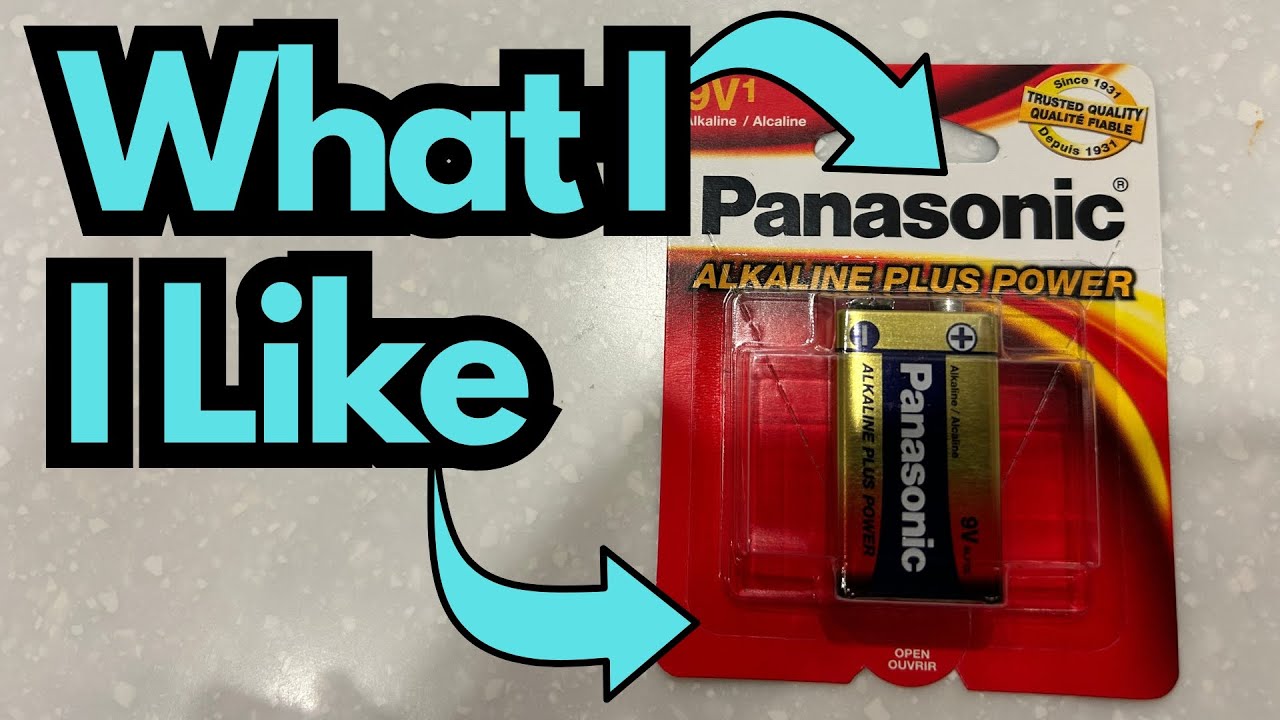
If you play electric guitar with a board full of pedals or use a guitar with active pickups, you already know: 9V batteries are a consumable part of your rig.
Whether you’re powering analog stompboxes or an active preamp, having a stash of reliable 9V cells on hand can be the difference between a smooth gig and a silent signal. Grab some here on Amazon.
In this post, we’ll take a quick look at Panasonic 9V batteries from a guitarist’s perspective—how they stack up in terms of value, reliability, and whether they’re worth buying over more expensive options.
Overview / First Impressions
Panasonic 9V batteries sit in that sweet spot of being cost-effective but still from a reputable brand. They’re not bargain-bin no-names, but they’re also not priced like premium “audiophile” or ultra-long-life cells.
For a guitarist who:
- Uses multiple pedals that can run on batteries
- Owns guitars with active pickups or onboard preamps
- Wants to keep a few spare 9Vs in the case or gig bag
…these Panasonic 9Vs offer a practical, affordable solution.
Build Quality & Design
You’re not buying 9V batteries for their looks, but it’s worth noting:
- Brand trust: Panasonic is a well-known electronics brand with a long history in consumer batteries.
- Consistent construction: The casings feel solid, and the terminals fit snugly in pedal battery clips and guitar battery compartments.
From a practical standpoint, they behave exactly as you’d expect a decent 9V to behave—no weird fit issues, no flimsy-feeling terminals.
Features & Functions (What Matters for Guitarists)
While batteries don’t have “features” in the same way pedals do, a few points matter for musicians:
- Standard 9V format: Works in most guitar pedals, wireless units, tuners, and active pickup systems.
- Good balance of cost and performance: Priced lower than a lot of “premium” brands but still reliable.
- Easy to stock up: Because they’re affordable, you can buy them in bulk and always have spares.
If you’re running a large pedalboard, you’ll likely still want a dedicated power supply, but for:
- Minimalist boards
- Backup power
- Fly dates or quick grab-and-go rigs
these 9Vs are perfectly serviceable.
How They Perform in Guitar Gear
From a guitarist’s point of view, the main question is: Do they perform noticeably worse than more expensive 9V batteries?
In typical use—guitar pedals and active pickups—the answer is: not really.
- In pedals: They power drive, modulation, and delay pedals just as well as higher-priced 9Vs in most practical scenarios.
- In active pickups: They keep the preamp running reliably, and you can comfortably keep a few spares around without feeling like you’re burning money.
For most players, especially those gigging or practicing regularly, the cost-to-performance ratio is what really counts here, and Panasonic 9Vs deliver well on that front.
Limitations / Things to Know
A few realistic expectations to keep in mind:
- Not marketed as “ultra-long-life”: If you’re running high-draw devices or need maximum runtime, a premium or rechargeable option may last longer per battery.
- Still disposable: If you go through tons of 9Vs, you might eventually want to look into a pedalboard power supply or rechargeable 9V solutions to cut down on waste and long-term cost.
That said, for standard guitar use, there’s nothing here that stands out as a real downside—especially considering the price.
Final Thoughts
Panasonic 9V batteries are a solid, cost-effective choice for guitarists who need reliable power for pedals and active pickups without overspending on big-name premium cells.
If you:
- Want dependable 9V batteries from a known brand
- Don’t feel like paying a premium for marginal gains in battery life
- Need to keep multiple spares on hand for gigs or rehearsals
then these are absolutely worth buying and re-buying. They do the job, they’re affordable, and there’s really nothing to complain about.
Resources
If you’re working on dialing in your guitar rig and want to better understand the fretboard (which helps with everything from writing riffs to building pedal-friendly tones), check out this free resource:
- Fretboard Cheatsheet: travelingguitarist.com/fretboard-cheatsheet