

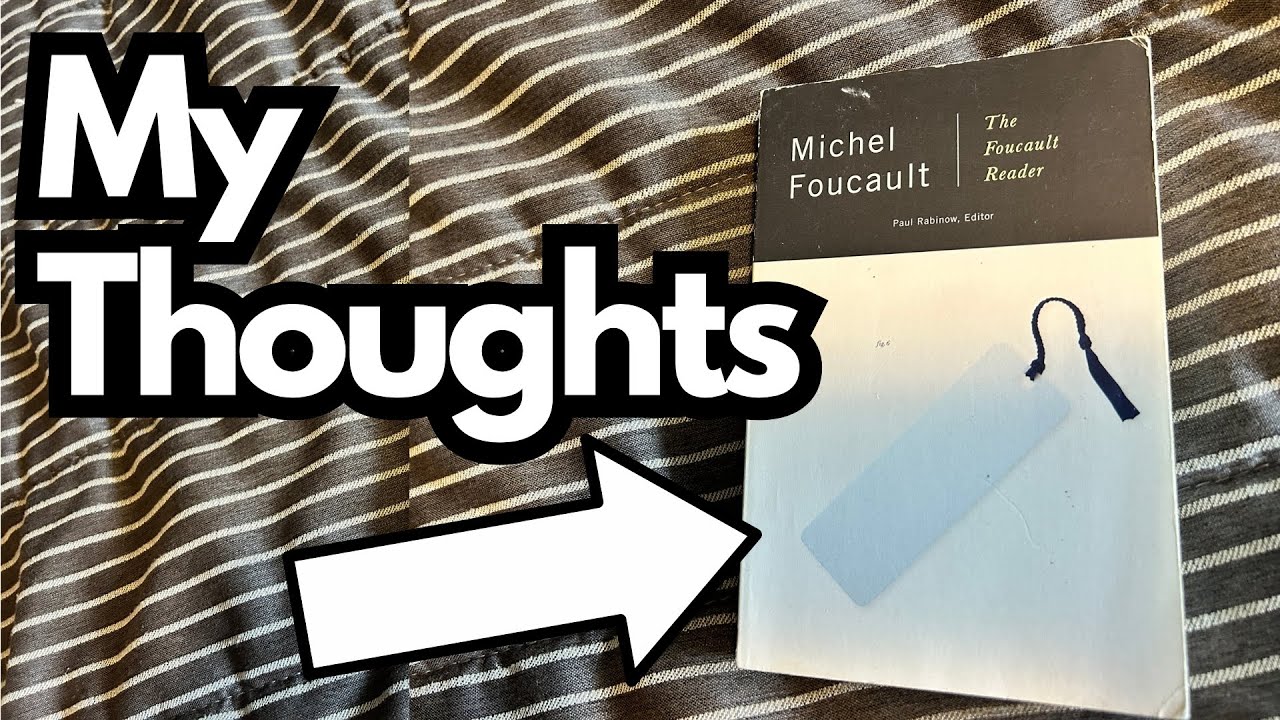
If you’re curious about philosophy, critical theory, or the history of ideas—and you don’t mind a challenge—The Foucault Reader is a powerful collection to have on your shelf.
Even if you’re not a fan of Michel Foucault’s overall outlook, this book pulls together some of his most important writings in one place, making it a great entry point into his work. You can grab it here on Amazon if you’re interested.
This isn’t light reading, but if you’re willing to take your time, it can be seriously rewarding.
Overview / First Impressions
The Foucault Reader is more than just a “greatest hits” compilation. It’s a curated selection of essays and excerpts that span different phases of Foucault’s thought.
You get a broad view of his work on:
- Madness and mental illness
- Power, institutions, and discipline
- Truth, knowledge, and how they’re constructed
- Sexuality and its relationship to power
- Enlightenment and modernity
Even if you don’t agree with Foucault (and many people don’t), this collection is valuable because it pulls together key texts that shaped contemporary philosophy, sociology, literary theory, and cultural studies.
Build Quality & Design
Physically, it’s a well-made, good-looking book. It feels like the kind of volume you can mark up, return to, and keep as a long-term reference.
- Solid binding suitable for heavy use
- Clean layout that makes dense material as approachable as possible
- Organized by theme and period, so you can jump around based on your interests
It’s the kind of book that looks at home on a serious reader’s shelf, but it’s not just for show—there’s real substance inside.
Key Sections & Content
Some of the standout pieces and themes you’ll find include:
- Madness and Civilization
Foucault’s exploration of how societies have treated “madness” over time—how institutions, medicine, and culture define and confine those deemed insane. - Truth and Power–style texts
Writings that dig into how “truth” is produced, who gets to decide what counts as truth, and how that’s tied to power structures and institutions. - Disciplines and Sciences of the Individual
A look at how modern societies shape individuals through schools, prisons, hospitals, and other institutions—what Foucault calls “disciplinary power.” - Sex and Truth / Sexuality and Power
Selections related to The History of Sexuality, where Foucault challenges the idea that sexuality was simply repressed, arguing instead that it’s been studied, classified, and managed in complex ways. - “What Is Enlightenment?”
Foucault’s take on Kant’s famous question, examining modernity, critique, and the idea of thinking for oneself within existing structures of power. - The Great Confinement
A deep dive into how Western societies historically confined the poor, the sick, the mad, and the socially “undesirable,” and what that reveals about shifting notions of reason and order.
Each of these sections can feel dense, but they’re also packed with ideas that have influenced everything from academic theory to everyday political conversations.
How to Approach Reading It
This isn’t the kind of book you blast through in a weekend. It’s challenging, and that’s part of its value.
A few practical tips:
- Take your time.
Read in short bursts. Let sections sink in before moving on. - Don’t feel obligated to read it cover to cover in order.
You can jump to topics that interest you most—madness, sexuality, power, and so on. - Re-read difficult passages.
Foucault often builds arguments slowly and indirectly. A second pass can make things click. - Annotate.
Underline, highlight, and write in the margins. This kind of book rewards active reading.
Even if you end up disagreeing with him, the mental workout is worth it.
Extra Context: Chomsky vs. Foucault
One of the interesting bonuses surrounding this collection is the famous debate between Noam Chomsky and Michel Foucault. The book includes a helpful introduction that touches on this clash of ideas.
- Chomsky: more focused on human nature, universal grammar, and innate structures.
- Foucault: more focused on historical conditions, power relations, and how knowledge is constructed.
You can actually watch their debate online. It’s very theoretical and pretty pretentious, but if you’re into high-level philosophical sparring, it’s fascinating to see their radically different approaches collide.
Limitations / Things to Know
Before you dive in, it’s worth being honest about what this book is—and isn’t:
- It’s not beginner-friendly philosophy.
If you’re brand new to theory, you might find it tough going without some secondary commentary. - The writing can be dense.
Foucault’s style is often indirect and layered. You won’t breeze through this like a pop-psychology paperback. - You may not like Foucault—and that’s fine.
Even if you don’t buy his worldview, this reader is still useful for understanding a thinker who’s had a huge impact on modern intellectual life.
Final Thoughts
The Foucault Reader is a strong, challenging collection that brings together many of his most important ideas in one accessible volume.
It’s ideal for:
- Students in philosophy, sociology, literature, or cultural studies
- Readers who want to understand how concepts like power, discipline, and truth are discussed today
- Anyone willing to wrestle with demanding, influential texts—even if they end up disagreeing with them
You don’t have to like Foucault to appreciate the value of this book. If you’re patient with it, it can change how you see institutions, knowledge, and even everyday life.