

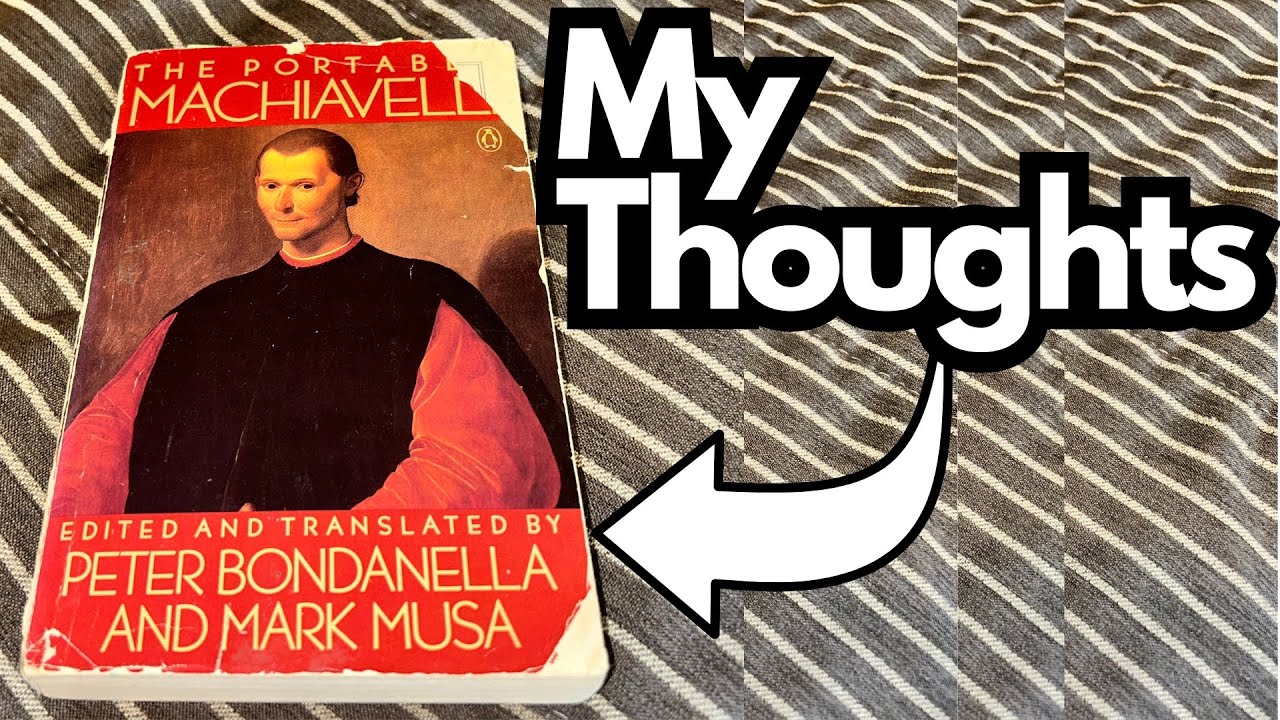
If you’re diving into political philosophy—or you just want to understand what people really mean when they say “Machiavellian”—you’re going to end up reading Niccolò Machiavelli sooner or later.
This collected edition pulls together several of his key works into one book, making it a practical choice for students, philosophy fans, and anyone curious about power, politics, and strategy. You can grab it on Amazon if you’re interested.
Below, we’ll break down what’s inside, who it’s for, and whether it’s worth adding to your shelf.
Overview / First Impressions
This volume is essentially a Machiavelli starter pack. It doesn’t just give you The Prince and send you on your way—it includes several of his major writings in one place:
- The Prince
- The Discourses
- The Mandrake Root
- Private Letters
If you’re studying Machiavelli in university or college, or you want a single book that covers both his most famous and some of his lesser-known works, this is a convenient option.
The overall impression: it’s a solid, no-nonsense collection that gives you a broad view of Machiavelli’s thinking, not just the edgy quotes people pull from The Prince.
Build Quality & Design
While the original commentary didn’t go deep into paper weight or binding style, the focus was clear: this is a practical, content-focused edition.
You can expect:
- A single, consolidated volume instead of juggling multiple separate books.
- A layout that makes it easy to move between works, especially useful for students comparing ideas across texts.
It’s not presented as a luxury collector’s edition; it’s more of a workhorse—something you can highlight, annotate, and haul to class or the library without worrying about it being too precious.
Features & Contents
What makes this book useful is the range of material it includes. Here’s what you get and why it matters:
The Prince
This is the one everyone talks about—the book that made “Machiavellian” a household word.
- Focuses on power, leadership, and statecraft.
- Often read as a manual for ruthless politics.
- Contains the famous ideas about whether it’s better to be feared than loved, and how a ruler should act to maintain control.
There’s an argument to be made that The Prince has a touch of satire or at least an ironic edge. It can read like Machiavelli is trolling the idea of power as much as he’s explaining it. Whether you see it as dead-serious advice or partially tongue-in-cheek, it’s worth reading at least once.
The Discourses
While The Prince looks at princes and rulers, The Discourses zooms out and looks at republics, institutions, and political systems more broadly.
- Offers a deeper sense of Machiavelli’s political philosophy.
- Less about one ruler, more about how societies function.
- Essential if you want a fuller, more balanced picture of his thought beyond the “evil mastermind” stereotype.
The Mandrake Root
This is a play (often called La Mandragola), and it adds a very different flavor:
- A satirical comedy involving deception, desire, and manipulation.
- Shows Machiavelli’s sense of humor and his understanding of human nature outside of formal political theory.
It’s a nice counterpoint to the heavier, more serious works and gives you another angle on how he thought about people and power.
Private Letters
The private letters are where you get glimpses of Machiavelli as a person:
- Personal reflections and correspondence.
- Context for his public work and political life.
- Helpful for students who want to understand the man behind the ideas.
These letters can deepen your appreciation of The Prince and The Discourses by placing them in a real historical and personal context.
How It Reads / Who It’s For
This collection is especially useful if:
- You’re studying Machiavelli in school. Having The Prince, The Discourses, the play, and letters all in one place is a big advantage for coursework and essays.
- You want more than just the edgy quotes. If you’ve only heard Machiavelli mentioned in passing, this book lets you see how his ideas fit together across different formats.
- You’re into politics, strategy, or history. Even if you’re not in a formal program, these texts are core reading for understanding political realism and the history of political thought.
As for tone and style: Machiavelli can feel surprisingly modern at times, but he’s also dense in places. This isn’t light beach reading, but it’s manageable if you take your time and, ideally, pair it with some secondary commentary.
Limitations / Things to Know
A few points to keep in mind:
- It’s a lot of material. This is not just a quick skim of The Prince; it’s a substantial collection. Great for depth, but it can be a bit much if you’re only casually curious.
- Interpretation matters. Especially with The Prince, there’s debate over how seriously to take some of his advice. Some see it as straightforward, others as partly satirical. Your experience will be richer if you’re willing to think critically rather than just take every line at face value.
- Not a commentary edition. From the way it’s discussed, this sounds like a primary-text-focused volume. If you want heavy annotation, historical notes, or scholarly essays, you may want to supplement it with other resources.
Final Thoughts
If you’re serious about studying Machiavelli—whether for a class or your own intellectual curiosity—this collected edition is a strong, practical choice. It gathers:
- His most famous work (The Prince),
- His broader political theory (The Discourses),
- A satirical play (The Mandrake Root),
- And personal correspondence (private letters),
all in one book.
It’s especially recommended if you’re in university or college and need access to multiple Machiavelli texts without buying separate volumes. You get a well-rounded view of his thought, from sharp political analysis to dark comedy and personal reflections.
If you just want to read The Prince once to see what the fuss is about, a slim standalone edition might do. But if you want to understand Machiavelli as more than a meme or a quote machine, this collection is a very good place to start.
Resources / Further Study
To get more out of this book, you might consider pairing it with:
- A good introductory guide to political philosophy that covers Machiavelli’s place in the tradition.
- Lectures or courses (online or in-person) that walk through The Prince and The Discourses with historical context.
- Secondary books or essays that explore the question of whether The Prince is meant as straightforward advice or partly as satire.
Used together, these can turn this collected edition from “just a book on your shelf” into a powerful tool for really understanding how Machiavelli thought about power, politics, and human nature.