

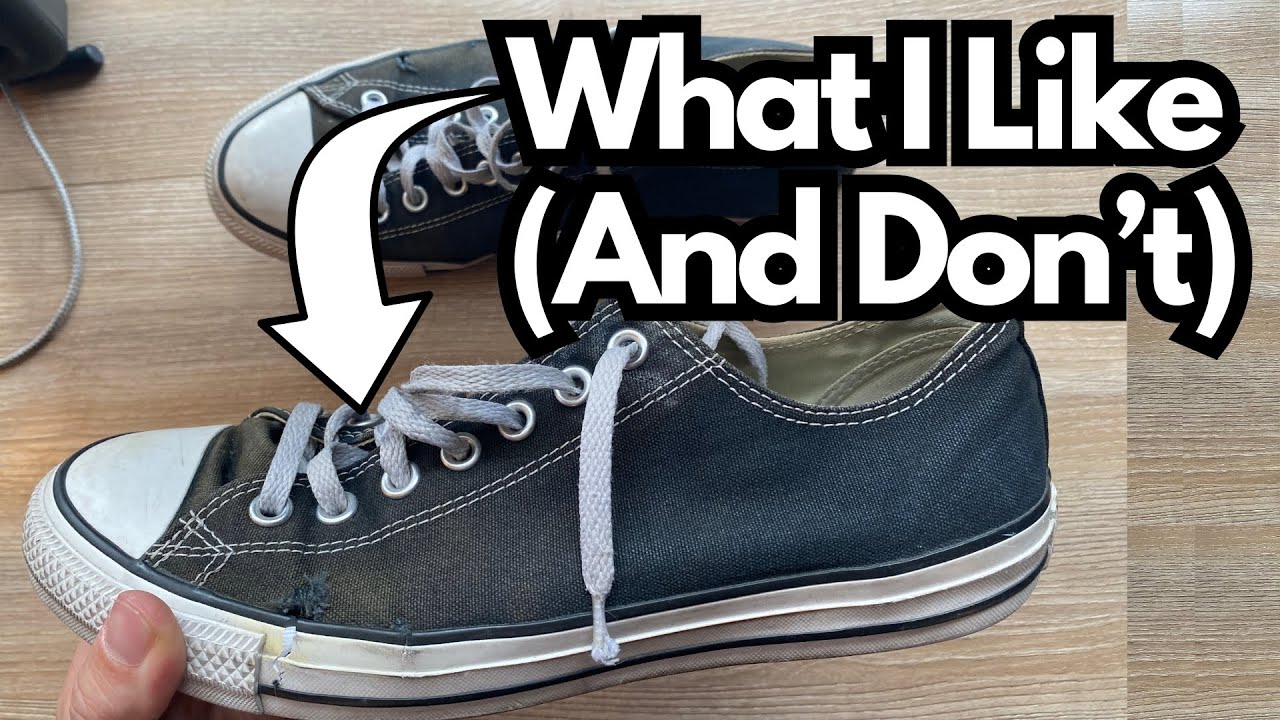
Converse low-tops are one of those shoes you see everywhere—on stages, in rehearsal rooms, at coffee shops, and pretty much any casual hang. They’ve become a go-to for anyone who wants something simple, stylish, and easy to pair with almost anything (grab them here on Amazon).
If you’re wondering whether low-top Converse are worth adding to your rotation, this breakdown covers how they look, feel, and hold up over time.
Overview / First Impressions
Low-top Converse are all about versatility and simplicity. They’re the kind of shoe you can throw on without thinking and still look put together.
- Great with shorts or jeans
- Minimal, timeless design
- Easy to style for casual, everyday wear or a laid-back stage look
They’re especially handy if you like having one pair of shoes that just works with almost everything in your closet.
Build Quality & Design
Converse low-tops are built with a canvas upper and a rubber sole—classic materials that give them their iconic look.
Design highlights:
- Slim, low-profile silhouette
- Canvas construction that breaks in quickly
- Simple lacing system and rubber toe cap (on most classic models)
However, that simplicity comes with a tradeoff: these shoes are not built like tanks. With regular use, expect visible wear within a year or two.
Features & Functions
While Converse aren’t packed with “features” in the tech sense, there are a few practical points worth noting:
- Versatile styling: Works with shorts, jeans, and most casual outfits.
- Best with no-show or ankle socks: They tend to look cleaner and more modern this way, especially with shorts.
- Easy to slip into daily use: Light and unobtrusive, they don’t feel bulky or overbuilt.
From a guitarist’s perspective, they’re great for:
- Standing and moving around on stage without feeling weighed down
- Keeping a low-profile look that doesn’t distract from your playing or outfit
- Matching easily with black jeans, tees, and the usual “gig uniform”
How They “Sound” / Use Cases
Obviously, shoes don’t literally “sound,” but in a guitar player’s world, they’re part of your playing environment.
On Stage or in the Practice Room
- The flat sole gives you a good feel for pedals on your board, so you can easily tell what you’re stepping on.
- The lightweight build makes it comfortable to stand for rehearsals or casual gigs, though there’s not a ton of support for very long sets.
Day-to-Day Use
- Great for casual outings, errands, and hanging out.
- They pair well with:
- Shorts (especially denim or casual cotton shorts)
- Jeans or chinos
- Simple tees, hoodies, or flannels
If you like a minimalist, slightly worn-in look, Converse age in a way that a lot of people find stylish—even when they’re a bit beat up.
Limitations / Things to Know
There are a few drawbacks to keep in mind:
Durability
- Converse low-tops are not built to last forever.
- With regular use, you’ll likely get a couple of years out of them.
- The canvas will show wear, creasing, and possibly small tears over time.
- The soles can wear down or start separating if you’re really hard on them.
Support and Comfort
- They’re flat and fairly minimal.
- Not ideal if you need serious arch support.
- For long days on your feet or heavy gigging schedules, you might want insoles or a more supportive shoe.
Aging
- After around a year and a half of steady use, expect them to look “well loved” — scuffed, faded, and generally beat up.
- Some people like that vibe; others may feel it’s time for a replacement.
Final Thoughts
Low-top Converse are a solid choice if you’re after:
- A simple, classic shoe that works with almost any casual outfit
- A lightweight, low-profile option that feels natural on stage and around a pedalboard
- A shoe you don’t have to overthink—just lace up and go
They’re not the most durable or supportive shoes out there, but they shine in versatility and style. If you accept that you’ll probably replace them every couple of years, they can easily become your everyday go-to pair.