

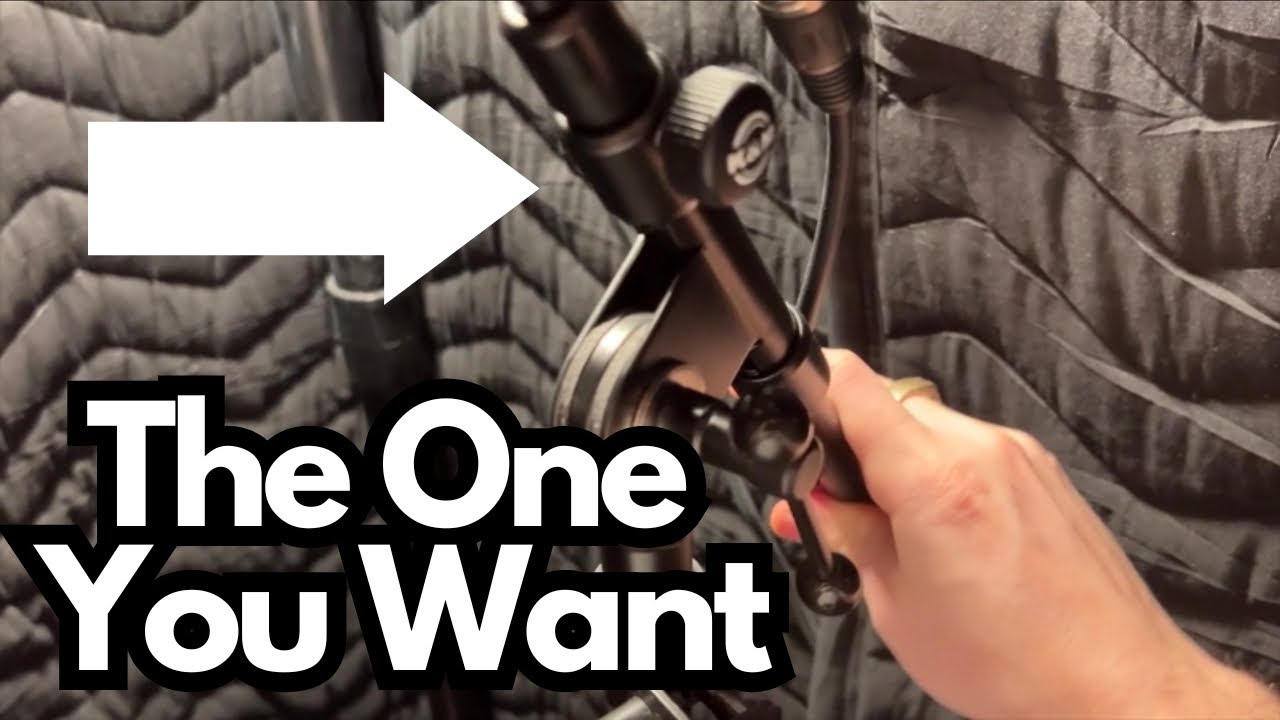
If you’re recording vocals or acoustic guitar in a small space—like a vocal booth or a tight home studio corner—the mic stand you use matters more than you think. A flimsy, tippy stand can ruin takes, limit your mic placement, and just make the whole process frustrating.
The K&M 26145 is a heavy-duty, low-profile stand that’s built for exactly this kind of environment. I’ve been using it in my vocal booth, and it’s one of those pieces of gear you stop thinking about—in the best way possible. It just works.
This post walks through how it’s built, how it adjusts, how much space it takes up, and why it might be the right stand for your recording setup.
Overview / First Impressions
The K&M 26145 is a straight microphone stand with a heavy, square base. It’s designed to be:
- Extremely stable – hard to knock over, even in cramped spaces
- Highly adjustable – easy to dial in height and angle
- Compact at the base – so it fits inside booths and tight rooms
In use, it feels solid and confidence-inspiring. Once you set it, it stays put. There’s no wobble, no sense that a small bump will send your mic crashing to the floor.
If you’re used to cheap tripod stands, this feels like a serious upgrade.
Build Quality & Design
K&M has a good reputation for stands, and this one lives up to it.
Heavy Cast-Iron Base
The first thing you notice is the base:
- Material: Cast iron
- Shape: Square
- Weight: Substantial (intentionally so)
That weight is a feature, not a bug. It keeps the stand planted, even with a heavier mic and a pop filter attached. In a vocal booth where you might bump into things, that stability is huge.
Footprint (Base Size)
If you’re working in a booth, the base size is critical. I had to measure it myself because the info wasn’t clearly listed when I bought it:
- Approx. 11.5 inches x 11.5 inches
- Approx. 29 cm x 29 cm
So you’re dealing with a footprint of just under a foot in each direction. That was small enough to fit comfortably in my booth without getting in the way of my feet or the booth walls.
Features & Functions
Despite being a fairly straightforward stand, the K&M 26145 has a few key adjustment points that make it really usable.
Height / Length Adjustment
The main vertical section is adjustable via a dial:
- There’s a twist dial on the shaft of the stand.
- Loosen it, slide the upper section up or down, then tighten to lock it in place.
It’s smooth and secure—once tightened, it doesn’t slip. Even with one hand it’s manageable (though easier with two).
Angle / Tilt Adjustment
There’s also a tilt mechanism:
- A latch/hinge lets you angle the top section forward or backward.
- This is great for positioning the mic slightly toward or away from you without moving the base.
In a booth, that tilt adjustment is especially handy—you can keep the base in one safe spot and still get the mic exactly where you want it relative to your mouth or guitar.
Pop Filter & Accessory-Friendly
I run a pop filter on mine with no issues. The stand’s stability means:
- It handles the extra weight of a pop filter arm easily.
- There’s no sag or creeping over time.
If you’re doing vocal work with a condenser mic and a pop filter, this stand is more than up to the task.
How It Sounds / Use Cases
A mic stand doesn’t affect tone directly, but it absolutely affects how you capture tone.
Here’s where the K&M 26145 shines for guitarists and vocalists:
Vocal Booth Work
- Stable for condenser mics – perfect for lead vocals, backing vocals, or acoustic guitar/vocal combos.
- Easy to position – tilt and height adjustments help you dial in mic placement for consistent tone.
Once you find the sweet spot for your voice or acoustic, the stand keeps that position locked in from session to session.
Acoustic Guitar Recording
If you’re tracking acoustic guitar while seated:
- The compact base fits easily under or near a chair.
- You can angle the mic in from above or the side without the stand getting in the way.
That makes it ideal for close-miking the 12th fret or bridge area in tight rooms.
Small Studio / Home Setup
If you’re working in a bedroom, closet booth, or small treated space:
- The small footprint is a big advantage over tripod stands.
- Less clutter on the floor, less risk of tripping, more room for you and your gear.
Limitations / Things to Know
No piece of gear is perfect for every situation. A few points to keep in mind:
- It’s heavy.
- Great for stability, not great if you need to carry it around constantly or gig with it.
- This is more of a “leave it in the studio/booth” stand than a throw-in-the-gig-bag stand.
- Base size is fixed.
- While 29 cm x 29 cm is compact, if your booth is extremely tight, you’ll want to measure and make sure it fits your exact dimensions.
- Not a boom stand.
- This is a straight stand with tilt, not a full boom arm.
- For drum overheads or complex multi-mic setups, you’ll still want a traditional boom stand.
For vocal and acoustic work in a booth or small room, though, these limitations aren’t really an issue—they just define what the stand is designed for.
Final Thoughts
The K&M 26145 is one of those unglamorous but essential pieces of studio hardware that quietly does its job perfectly.
- Rock-solid stability
- Compact, heavy cast-iron base
- Smooth, reliable adjustments
- Ideal for vocal booths and small recording spaces
If you’re a guitarist or vocalist building a home recording setup and you want a stand you can trust with your good mics, this is an excellent choice. It’s not the cheapest option out there, but it feels like a long-term investment: buy it once, use it for years, and stop worrying about your mic stand.
If your priority is stability and a small footprint rather than ultra-portability, the K&M 26145 is very hard to fault.