

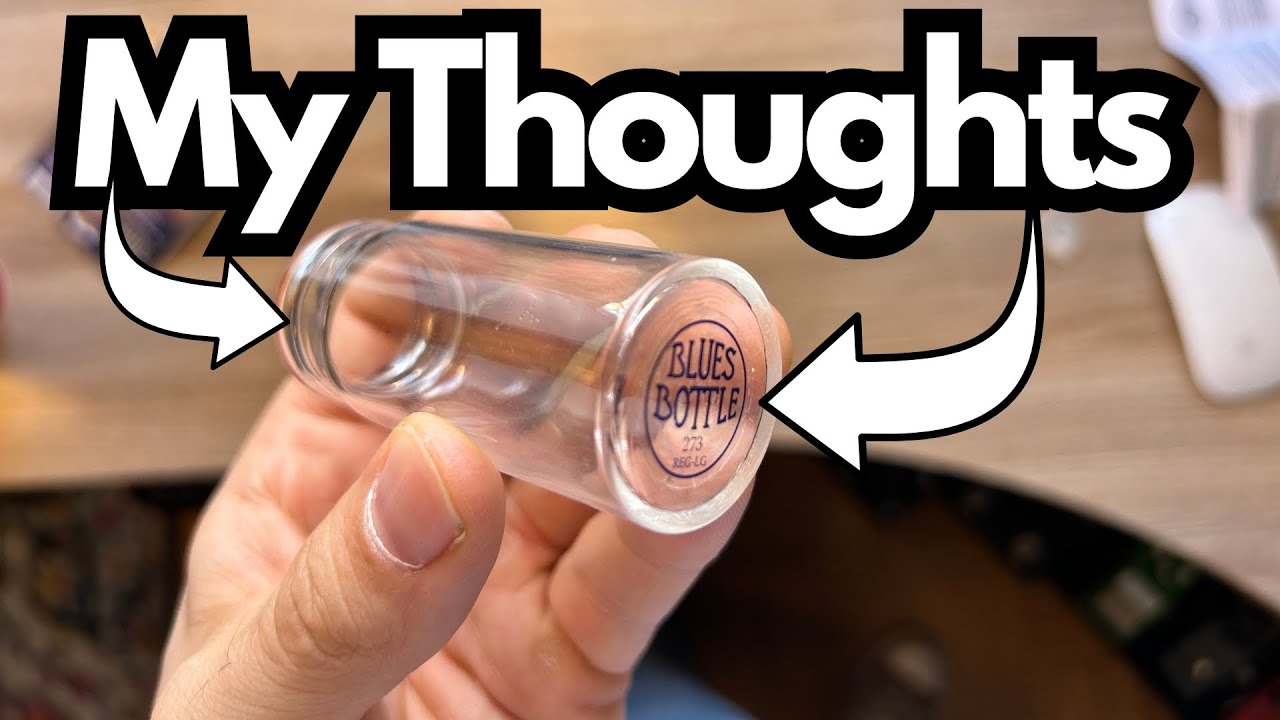
Slide guitar has a magic all its own. That vocal, singing quality you hear in blues, country, and ambient guitar tones often comes from nothing more than a simple piece of glass or metal on your finger.
I recently picked up a basic glass bottle-style slide and started experimenting with it for the first time. You can grab it on Amazon if you’re interested.
I’m not an experienced slide player yet—but that actually makes this a useful perspective if you’re also just getting into slide guitar and wondering what to expect.
Overview / First Impressions
I grabbed a standard glass bottle-style slide a couple of days ago. It’s literally just a glass tube—nothing fancy, no branding, just a classic, simple design.
Even with my beginner-level slide technique, it worked right away. You put it on, lay it lightly across the strings, and you immediately get that smooth, gliding sound that’s so different from regular fretted playing.
So far, it’s been:
- Fun to experiment with
- Inspiring in terms of sound and feel
- A reminder that slide is its own technique—you can’t just slap it on and play like normal
I’m still very much in the “figuring it out” phase, but even now it’s clear this is a worthwhile tool if you’re curious about slide guitar.
Build Quality & Design
This particular slide is:
- Material: Glass (bottle-style)
- Shape: Straight glass cylinder, open on both ends
- Feel: Smooth, with that classic glass glide over the strings
Because it’s glass, there are a couple of things to keep in mind:
- Tone: Glass tends to sound smoother and warmer than metal. It’s great for bluesy, vocal-style lines and ambient textures.
- Fragility: It will break if you drop it on a hard surface. I haven’t dropped mine yet and I don’t plan to test its limits. Treat it like you would any piece of glass.
If you’re rough on gear or tend to knock things off your desk, a metal or ceramic slide might be safer. But for tone and feel, glass is a classic choice.
Features & Functions (What a Simple Slide Actually Does)
Even though a slide is just a tube, there are still a few functional considerations:
- Finger choice: Most players use the ring or pinky finger so you can still fret behind the slide with your other fingers.
- Fit: It should be snug enough not to wobble, but loose enough to slide on and off without a fight.
- Length: Full-length slides cover all six strings; shorter ones are useful if you only want to hit a few strings at a time.
This one is a straightforward, full-length glass slide—ideal for classic six-string slide playing.
How It Sounds / Use Cases
Even with rough technique, the sound is unmistakable. A glass slide gives you:
- Smooth, vocal-like glides between notes
- Sustain when paired with some gain, compression, or reverb
- Expressive vibrato by gently rocking the slide back and forth
Some common use cases:
- Blues leads on the higher strings
- Country and Americana textures
- Ambient soundscapes with lots of delay and reverb
- Simple melodic lines over chords, even if you’re just starting out
Right now, my playing is basic—single notes, slow slides, and simple phrases—but even that is enough to add a completely different flavor compared to standard fretting.
Limitations / Things to Know
Because I’m new to slide, the biggest limitation isn’t the gear—it’s the technique. If you’re just getting into it, expect to work on:
- Intonation: You don’t press the slide between frets like normal. You hover directly over the fret to play in tune.
- Pressure control: Too much pressure and you’ll fret out the notes or buzz; too little and you’ll lose clarity.
- Noise control: Muting with both hands (palm muting and fretting-hand muting behind the slide) is essential.
On the gear side:
- Fragility: Again, it’s glass. Don’t toss it in a gig bag loose or drop it on a hard floor.
- No “do-everything” solution: A slide won’t replace your normal playing—it’s more like a new “voice” you add to your toolkit.
Final Thoughts
Even as a beginner to slide, I can say this: a simple glass bottle-style slide is absolutely worth picking up if you’re curious about slide guitar. It’s inexpensive, it sounds great, and it forces you to think differently about phrasing and expression.
I’m still ironing out my technique, but the early experiments have already been inspiring. If you’re on the fence, grab a glass slide, set your expectations low for the first week, and just enjoy exploring the sounds.
Resources for Further Study
If you want to improve your fretboard knowledge and improvisation—skills that help a lot when you start exploring things like slide—check out this resource:
Fretboard Memorization Cheat Sheet
A guide to all the major and minor triads in every key, using octave mapping and other techniques to help you:
- Memorize the notes on the fretboard
- Understand triads (the foundation of chords and harmony)
- Improvise more confidently in multiple keys
You can get it here:
https://travelingguitarist.com/fretboard-cheatsheet
There’s also a community forum where you can talk guitar, music, and related topics with other players:
forum.travelingguitarist.com
If you’re just starting your slide journey like I am, pairing that new technique with solid fretboard understanding will make everything come together much faster.