

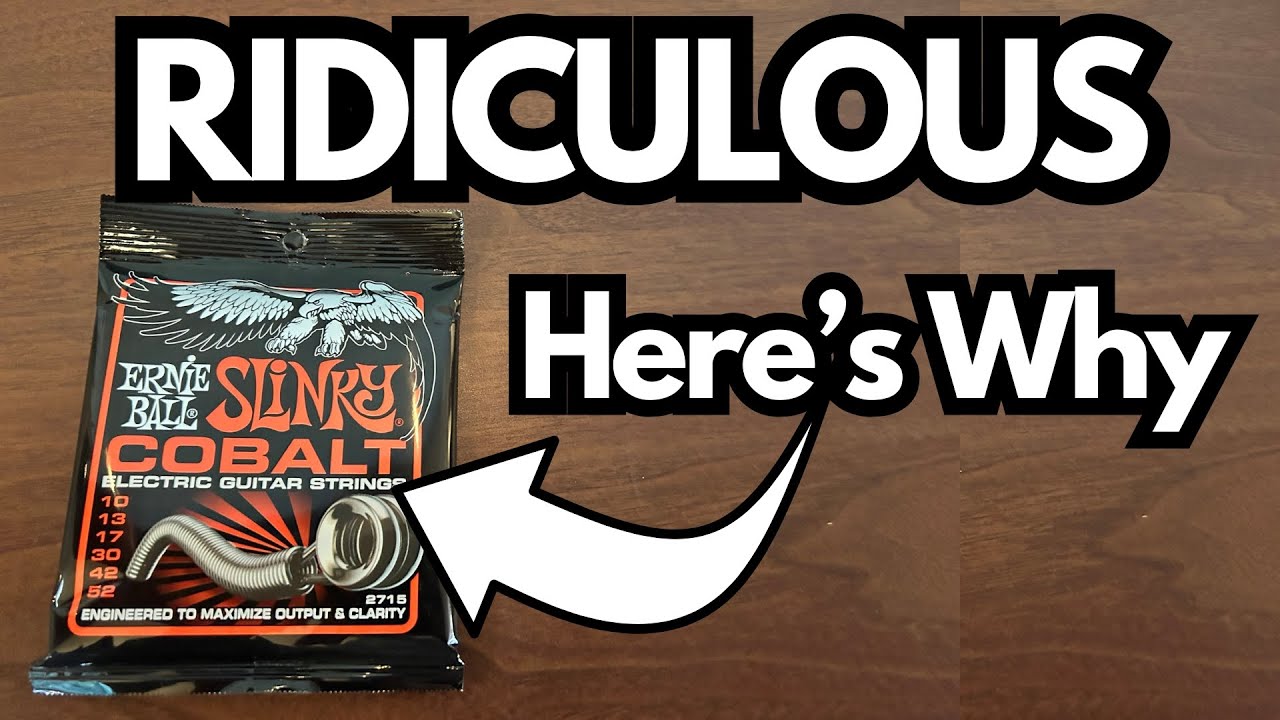
If you play in lower tunings like C Standard or Drop B, string choice becomes a lot more than a minor detail.
The right set can make the difference between a tight, punchy tone and a floppy, uninspiring mess.
One option that consistently works well for this kind of setup—especially on an ESP-style guitar—is the Ernie Ball Skinny Top Heavy Bottom set, including the Cobalt version. You can grab some on Amazon if you’re interested.
This post walks through how these strings behave in real-world use, what makes them appealing for drop-tuned players, and a few things to keep in mind before you throw a pack on your guitar.
Overview / First Impressions
For lower tunings like:
- C Standard
- Drop B (based on C Standard)
the Ernie Ball Skinny Top Heavy Bottom sets hit a very usable middle ground:
- The treble strings (“skinny top”) stay comfortable and easy to bend.
- The bass strings (“heavy bottom”) stay tight enough to handle low tunings without feeling like rubber bands.
The Cobalt variant is marketed as a “high output” version of the same basic idea. Whether the extra output and tonal difference are truly dramatic is debatable—and honestly, not always critical. In practice, they feel familiar, they work, and they’re easy to live with. That alone makes them a solid go-to for many players.
Build Quality & Design
The Skinny Top Heavy Bottom Cobalt set follows the usual Ernie Ball quality you’d expect:
- Consistent winding
- Reliable tuning stability once stretched properly
- Predictable feel from set to set
One small detail: unlike some string brands, these particular sets don’t use multi-colored ball ends. That won’t affect tone or performance, but if you’re used to color-coded ball ends for quick identification during string changes, it’s worth noting.
Features & Functions
1. Hybrid Gauge Design
The whole point of “skinny top heavy bottom” is to combine:
- Lighter high strings – great for:
- Bending
- Vibrato
- Lead playing
- Heavier low strings – great for:
- Tighter low-end response
- Better intonation in low tunings
- Less floppiness when palm muting
This makes them particularly well-suited for players who want to riff hard in low tunings but still play leads comfortably on the same guitar.
2. Cobalt Alloy
The Cobalt line is advertised as offering:
- Higher output
- More aggressive response
- Potentially more clarity and punch
Whether the difference is night-and-day compared to the regular Skinny Top Heavy Bottom set is subjective. If you’re chasing every last bit of output or brightness, they’re worth trying; if not, the regular version already does the job well.
How It Sounds / Use Cases
Drop Tunings on an ESP-Style Guitar
From a practical standpoint, here’s where these strings shine on an ESP (or similar superstrat/metal guitar) tuned to:
- C Standard
- Drop B
The heavy bottom keeps the low strings:
- Tight under the pick
- Clear enough for fast, percussive riffs
- Less prone to going sharp when you dig in
Meanwhile, the skinny top keeps:
- Leads feeling manageable
- Bends and vibrato natural, even with lower overall string tension from the tuning
This makes them ideal for players who:
- Play metal, hard rock, or modern prog
- Need both rhythm chunk and melodic lead work on the same instrument
- Don’t want to jump to super-heavy gauges that feel like cables on the high strings
Limitations / Things to Know
- Cobalt vs Regular: not a make-or-break difference for everyone
The Cobalt set is marketed as “high output,” but if you’re not hyper-focused on tiny tonal differences, you may not notice a life-changing leap compared to the regular Skinny Top Heavy Bottom set. - Ball-end color coding
There are no color-coded ball ends on this pack. It’s not a big deal, but it can slightly slow down string changes if you’re used to identifying gauges by color. - Feel is subjective
Some players prefer even heavier low strings for very low tunings or extremely aggressive picking. If you’re in A or lower, you might outgrow this gauge and want something thicker, especially on the 6th string.
Final Thoughts
For guitarists running C Standard or Drop B—especially on an ESP or similar metal-oriented guitar—the Ernie Ball Skinny Top Heavy Bottom Cobalt strings are a very practical choice:
- The hybrid gauge keeps the guitar versatile for both rhythm and lead.
- The Cobalt option gives you a slightly more aggressive, modern feel and tone, if that’s what you’re after.
- Even if you’re not obsessing over the “high output” claim, they’re simply reliable, comfortable strings that do what you need in lower tunings.
If you already like the regular Skinny Top Heavy Bottom set, the Cobalt version is an easy experiment. If you’re just getting into drop tunings and don’t know where to start, this is a very solid first stop.
Resources for Improving Your Fretboard Knowledge
If you want something structured to practice beyond just changing strings and riffing in drop tunings, there’s a helpful Fretboard Memorization Cheat Sheet available at:
https://travelingguitarist.com/fretboard-cheatsheet
It focuses on:
- Major and minor triads in every key
- Using octave mapping and related techniques to:
- Memorize the fretboard
- Understand harmony more deeply
- Improvise more confidently across the neck
You can also join the community forum at forum.travelingguitarist.com to talk gear, theory, and all things guitar with other players.