

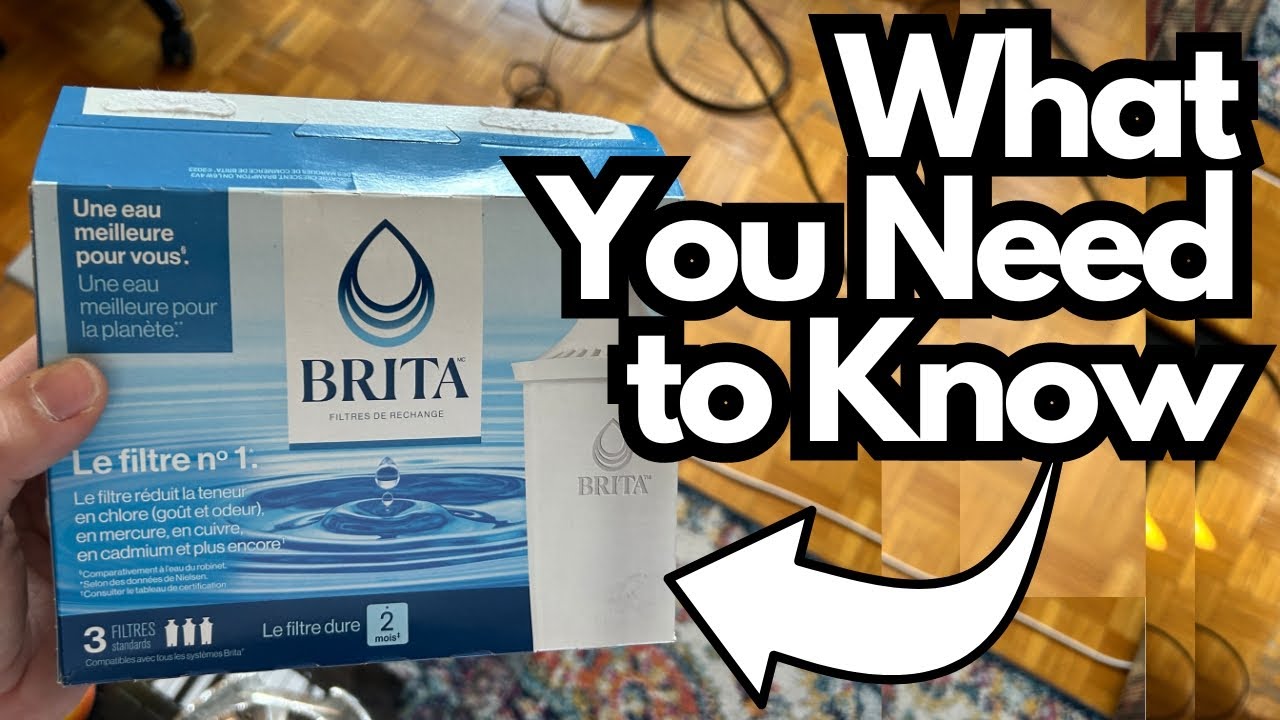
Brita has several different filter types and pitcher sizes, and it’s easy to get confused when you’re just trying to get cleaner-tasting water without overthinking it.
This post is a quick, real-world look at the standard Brita replacement filters and how they work with an extra large Brita pitcher—fit, function, and whether there’s anything to watch out for.
Overview / First Impressions
These are the standard Brita replacement filters—the basic, widely available ones you’ll see in most grocery and big-box stores. They typically come in multi-packs (like the two-pack shown here).
The key takeaway: they fit and work perfectly in the extra large Brita pitcher. No weird gaps, no forcing them in, no leaks.
If you’ve got the big Brita and you’re wondering whether you need a special “XL” filter: you don’t. The standard filters drop right in.
Build Quality & Design
The standard Brita filter is:
- Compact and lightweight
- Designed to drop into the pitcher’s filter slot with a simple push
- Made to sit snugly in the reservoir so water flows only through the filter media
In the extra large pitcher, the filter:
- Seats securely in the designated slot
- Doesn’t wobble or shift once in place
- Aligns properly so the lid and reservoir still fit as intended
There’s nothing fancy here, but that’s the point—these are simple, no-nonsense filters meant for everyday use.
Features & Functions
These standard Brita filters are designed to:
- Reduce chlorine taste and odor
- Help with some common tap water impurities (depending on your local water)
- Improve overall taste, making water more pleasant to drink
From a user perspective, they:
- Install easily—push into the slot until they’re firmly seated
- Are fully compatible with the extra large Brita pitcher shown
- Work exactly as expected once installed: fill the top reservoir, let it drain through, and enjoy filtered water in the main tank
How It Works in the Extra Large Pitcher
In the extra large Brita pitcher:
- The filter fits exactly into the designated slot—no modification or extra parts needed
- Water flows through the filter and down into the main section of the pitcher just like in smaller models
- There are no leaks around the sides, which means the filter is doing its job rather than letting unfiltered water bypass it
Day-to-day use is straightforward:
- Insert the filter into the slot in the upper reservoir
- Fill the top with tap water
- Let it drain through into the bottom
- Pour and drink
The user here reports no complaints—the filters perform as expected and keep the big pitcher functional without any hassle.
Limitations / Things to Know
A few practical notes to keep in mind:
- Filter life: standard Brita filters generally need to be replaced every 2 months or after a certain number of gallons (check the packaging on your specific pack).
- Not a specialized filter: these are the standard filters, not the “Longlast” or “Elite” versions that target more contaminants. If you need heavy-duty filtration, you might want to look into those.
- Pitcher cleanliness: the pitcher shown is clearly in everyday use. It’s worth occasionally cleaning your pitcher (especially the reservoir and spout) so the filter isn’t working in a dirty environment.
But in terms of compatibility and basic function with the extra large pitcher? No issues.
Final Thoughts
If you have an extra large Brita pitcher and you’re wondering whether the standard Brita replacement filters will work:
- Yes, they fit.
- Yes, they work as intended.
- No special XL filter is required.
For anyone who just wants a simple, reliable way to keep their big Brita pitcher running, these standard filters are absolutely fine. No complaints, no surprises—just drop them in and keep your water flowing.