

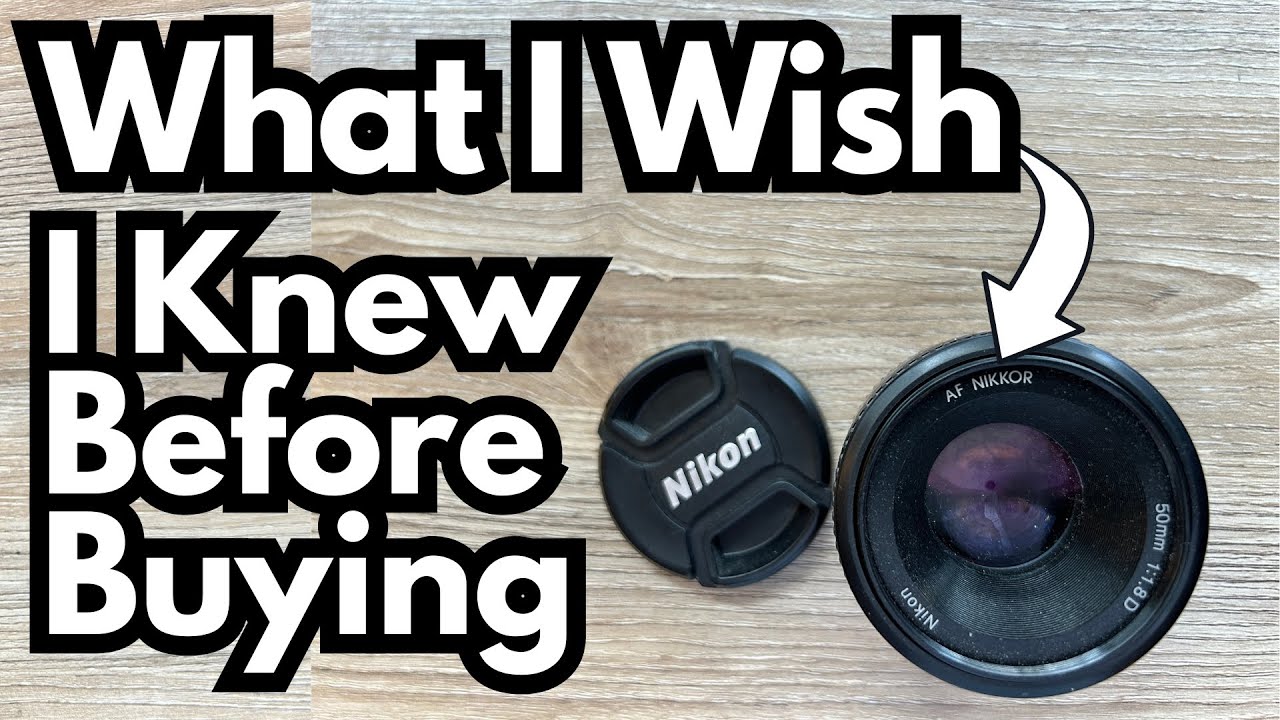
If you’re shooting with a Nikon D7000 (or any DSLR, really), the lens you choose can make or break your experience. Especially if you’re creating content—photos or videos—at close range, the wrong focal length can quickly become frustrating. The one I used is on Amazon here.
This post walks through why a particular lens turned out to be the wrong choice for close-up work, and what kind of lens would have been a better fit.
Even though this isn’t guitar gear, the same principle applies as with pedals and amps: the right tool for the job matters more than the fanciest spec sheet.
Overview / First Impressions
The lens in question was purchased for use with a Nikon D7000, with the goal of shooting both photos and videos. On paper, it seemed like a solid choice. In practice, it ended up being a mismatch for the actual shooting style and needs involved.
The core issue: the lens has too much reach (too long a focal length) and not enough width for close-up shooting.
If you tend to film yourself in a room, record gear demos, or shoot in tight spaces, this kind of lens can be more of a hindrance than a help.
Build Quality & Design
While the focus here isn’t on the physical build, it’s worth noting how the design affects how it shoots:
- The lens is clearly designed for distance rather than tight, up-close framing.
- It behaves more like a telephoto or longer zoom than a wide or standard lens.
- It’s better suited to situations where you have space between you and your subject.
There’s nothing inherently “bad” about the lens itself—it’s just optimized for a different type of shooting than what was needed here.
Features & Functions (In Practical Terms)
From a usability standpoint, here’s what this type of lens is effectively giving you:
- Longer focal length: Great for subjects that are farther away (outdoor scenes, performances, candid shots from a distance).
- Narrower field of view: You see less of the scene in front of you, but you see it closer.
- More distance required: To frame a person or an object, you often need to physically back up.
On a Nikon D7000 (a crop-sensor camera), a long lens feels even longer because of the crop factor. That makes it even harder to work in small rooms or close to your subject.
How It Works in Real Use (And Why It Didn’t)
The main use case here was close-up videos and photos—think:
- Filming yourself talking to the camera
- Recording gear demos at arm’s length
- Shooting in smaller rooms or home studios
In that context, this lens quickly showed its limitations:
- You have to stand too far back to get yourself in the frame.
- In tight spaces, you simply can’t get wide enough.
- For handheld or desk setups, you end up cutting off parts of the subject or scene.
If you’re a guitarist filming demos at your desk or in a bedroom studio, a long lens like this will force you to move way back—often farther than your room will allow.
On the flip side, if you’re:
- Filming someone on stage from the audience
- Capturing outdoor scenes from a distance
- Shooting subjects you can’t get close to
…then this kind of lens can actually be very useful.
What Would Have Been a Better Choice?
For the intended use (close-up photos and videos), a shorter, wider lens would have been a much better fit. On a Nikon D7000, that usually means:
- A wide or standard zoom, like:
- 18–55mm
- 17–50mm
- 16–35mm
- Or a prime in the wider range:
- 24mm
- 28mm
- 35mm
These tend to work better for close-up and home content creation because:
- Wider field of view: You can fit more of yourself and your surroundings in the frame, even in small rooms.
- Better for talking-head videos: You don’t have to be 10 feet away from the camera.
- More practical for home content creation: Great for YouTube videos, gear demos, and practice-room shots.
If you’re a guitarist filming pedals on the floor, amps in the corner, or tabletop shots of gear, a shorter focal length is almost always the way to go.
Limitations / Things to Know
Here’s the bottom line on this lens choice:
- Not ideal for close-up work
If you regularly film yourself or shoot in tight spaces, a lens like this will fight you. - Requires physical distance
You need space between you and your subject to frame things properly. - Great only if you want “reach”
If your main use case is distance—outdoor events, stage shots, or subjects you can’t get close to—this type of lens makes sense. Otherwise, it’s overkill.
Final Thoughts
The lens itself isn’t “bad”—it’s just the wrong tool for the job.
For close-up videos, home studio content, and everyday shooting with a Nikon D7000, a shorter, wider lens would have been the smarter choice. If you’re planning to record guitar demos, lesson videos, or practice clips in a small room, prioritize:
- A wider focal length
- Comfortable framing at arm’s length or a few feet away
- A lens that fits your actual shooting environment, not just what sounds good on paper
Choosing lenses is a lot like choosing guitar gear: know your use case first, then pick the gear that serves that purpose.