

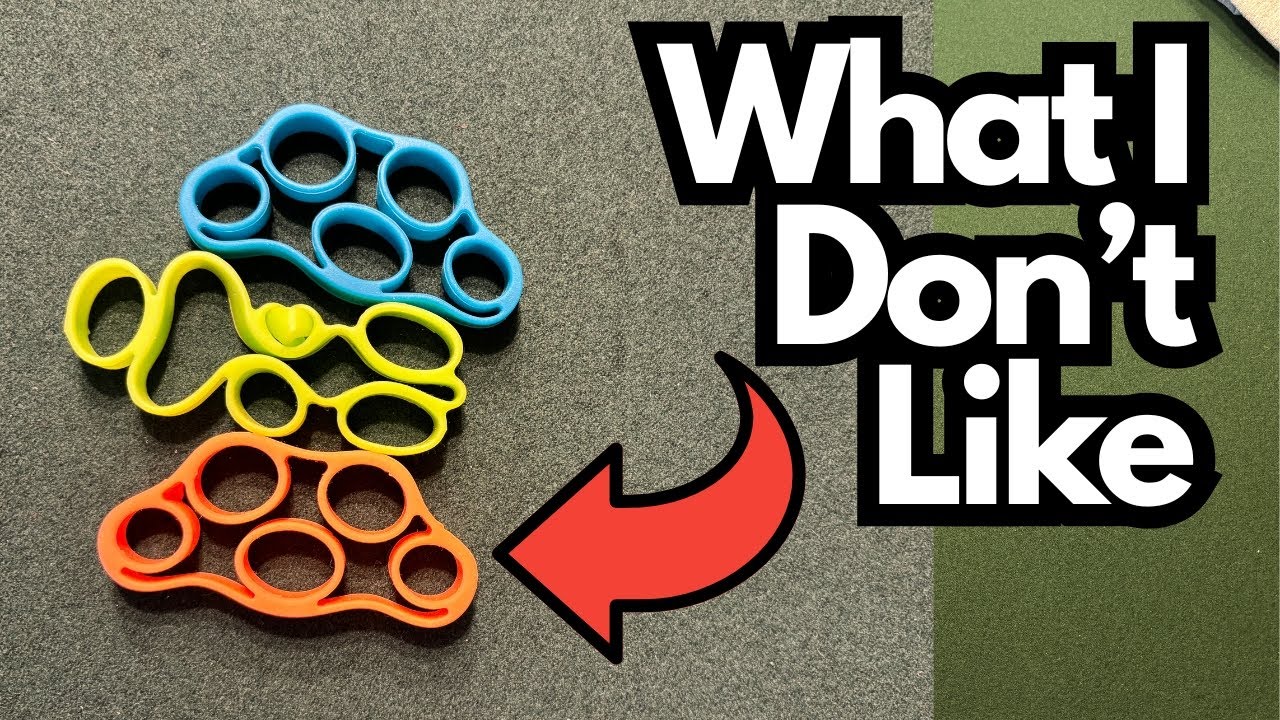
Finger resistance bands are a popular tool for guitarists, musicians, and anyone looking to build hand and finger strength. They’re cheap, portable, and promise targeted resistance training for your fingers.
But do the budget versions actually deliver? This post breaks down a real-world experience with a low-cost set of finger resistance bands—and whether they’re worth your money.
You can grab some on Amazon if you’re interested.
Overview / First Impressions
The idea behind these bands is solid:
- Slip your fingers into the loops
- Open your hand against the resistance
- Build strength in your fingers and hand over time
On paper, they’re great for:
- Guitarists working on finger strength and endurance
- Musicians recovering from light strain (with proper guidance)
- Office workers wanting to combat hand fatigue
- Anyone interested in grip balance (not just squeezing, but opening)
However, in practice, this particular budget set falls short in a few key areas.
Build Quality & Design
The main issues show up right away in how they feel and behave:
- They require a lot of “breaking in.” The material is stiff and not very responsive out of the box. You have to work them quite a bit before they start to feel usable.
- Generic construction. All three bands look and feel very similar. There’s no clear sense that you’re getting different levels of resistance beyond what’s printed on them.
- “Good enough,” but not confidence-inspiring. They function, but they don’t feel like something you’d want to rely on for serious, long-term training.
Features & Promised Resistance Levels
Most sets like this advertise multiple resistance levels—usually light, medium, and heavy.
In theory, that should give you:
- A light band for warm-ups or rehab
- A medium band for regular practice
- A heavy band for serious strength work
With this set, though:
- The resistance differences are minimal. The supposed strength or resistance variations between the three bands are barely noticeable.
- Expectations vs. reality. If you’re hoping for a clear progression from easy to hard, you’ll likely be disappointed. They all feel more or less the same in actual use.
How They Perform in Real Use
From a practical standpoint:
- They do work—technically. You can use them to train finger extension, and they will provide some resistance. You’ll get some benefit, especially if you’ve never used anything like this before.
- Not ideal for serious training. If you’re a guitarist or musician trying to systematically build strength and control, the lack of clear resistance levels makes them less useful.
- “Use them until they die” gear. They’re the kind of thing you might keep using simply because you already bought them, not because they’re particularly good.
Limitations / Things to Know
Before you grab a cheap set like this, keep these points in mind:
- Resistance levels are not well-defined. Don’t expect a meaningful difference between “light,” “medium,” and “heavy” in this price range.
- Material feel matters. If the bands are stiff, sticky, or awkward at first, you may end up not using them as much as you planned.
- False economy. Saving a few dollars up front may cost you in terms of effectiveness and motivation to actually train.
Should You Spend More?
Based on this experience:
- If you’re curious and just want to try finger resistance training, a cheap set like this will function—they’re not useless.
- If you’re serious about building hand and finger strength (especially as a guitarist or musician), it’s probably worth:
- Spending a bit more on a higher-quality brand
- Looking for sets with clearly distinct resistance levels and better-reviewed materials
In other words: these work “well enough for now,” but they don’t quite cut it if you care about precision and long-term use.
Final Thoughts
This budget set of finger resistance bands:
- Works at a basic level
- Fails to deliver meaningful differences between resistance levels
- Requires too much breaking in
- Feels like a compromise rather than a solid training tool
If you had to do it over again, it would make sense to:
- Skip the cheapest option
- Invest a little more in a better-designed, better-built set
You’ll get more reliable resistance, a better feel in the hand, and a tool you’ll actually want to use regularly.