

Overview / First Impressions
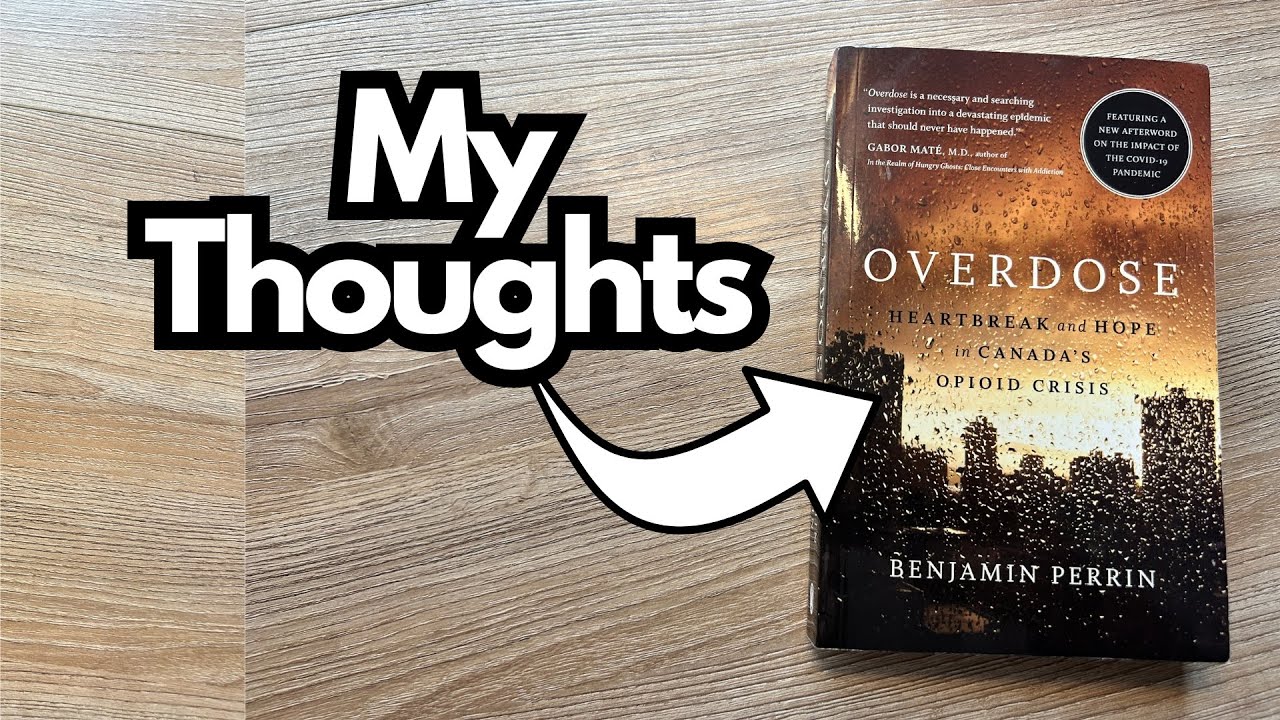
Overdose by Benjamin Perrin is a timely, accessible look at one of the most pressing public health issues of our era: the overdose crisis and how we respond to it.
The book is especially relevant if you’re:
- Curious about harm reduction policies and their ethical implications
- Interested in understanding the arguments for expanding harm reduction services
- Looking for a readable, narrative-driven take on a complex social problem
Even if you don’t ultimately agree with Perrin’s conclusions, Overdose is engaging enough to be worth a single, thoughtful read.
My Reading Experience
Here are just a few things I’d like to say about it in terms of my overall experience of the book:
- Readable and engaging: The prose is smooth and accessible, with a strong narrative flow. It’s not an academic text; it’s written for a general audience.
- Emotionally charged: The tone leans “feel-good” and empathetic. Perrin clearly wants you to care deeply about the individuals affected by overdose and to see harm reduction as a compassionate response.
- Well-paced: It moves quickly and doesn’t get bogged down in technical jargon, which makes it easy to get through, even if policy books aren’t usually your thing.
What the Book Sets Out To Do
In practical terms, here’s what Overdose sets out to do:
- Make the case for harm reduction:
The central function of the book is to argue that harm reduction—things like supervised consumption sites, safer supply, and support services—is the most humane and effective way to address overdose deaths. - Humanize the issue:
Perrin uses stories, case studies, and personal narratives to put faces to statistics. The goal is to move the reader emotionally as well as intellectually. - Challenge punitive approaches:
The book pushes back against strictly criminal-justice-based responses to drug use, suggesting they often do more harm than good. - Offer a hopeful tone:
Despite the heavy topic, the book leans toward optimism. It’s framed as a call to action and a vision for a more compassionate approach, rather than a purely grim diagnosis.
Who This Book Is For
This book is definitely meant for a certain kind of person.
It’ll resonate most with:
- Readers open to harm reduction ideas:
If you’re already sympathetic to harm reduction, the book will likely reinforce and deepen your perspective. - People who want to understand the pro–harm reduction argument:
Even if you’re skeptical or disagree (as I do), it’s a useful resource to understand the best case that’s being made for these policies. - Those who prefer narrative over dense policy analysis:
If you like clear, story-driven explanations instead of dry white papers, this is a good fit.
From a “use case” standpoint, it’s ideal as:
- A one-time, cover-to-cover read to get a feel for the harm reduction conversation
- A starting point before diving into more critical or technical works on drug policy
Limitations / Things to Know
A few important caveats:
- Strongly one-sided toward harm reduction:
The book is essentially an extended argument in favor of harm reduction. If you’re looking for a balanced debate or deep engagement with counterarguments, you won’t really find that here. - Very “feel-good” in tone:
The emotional, hopeful framing may feel a bit too polished or optimistic if you’re looking for a more hard-edged, critical analysis of what does and doesn’t work. - Not a comprehensive technical manual:
It’s not designed as a rigorous policy textbook. You get the big-picture arguments and stories, rather than detailed empirical breakdowns and competing models.
If you’re intellectually curious but ultimately skeptical about harm reduction (as I am), you may find yourself disagreeing with some of the conclusions, even while appreciating the clarity and readability.
Final Thoughts
Overdose by Benjamin Perrin is:
- Entertaining and accessible
- Emotionally engaging and clearly written
- A focused, persuasive case for harm reduction
While I don’t fully agree with its stance on harm reduction, I still think it’s worth reading once—especially if you want to understand the arguments that are shaping current policy discussions. It’s not the final word on the topic, but it’s a solid, thought-provoking entry point.
Resources / Further Study
If Overdose sparks your interest, it’s worth following up with:
- More critical perspectives on harm reduction to balance the viewpoint
- Policy analyses or empirical studies on overdose interventions and outcomes
- Other books and essays on drug policy reform, public health, and criminal justice, to place Perrin’s argument in a wider context