

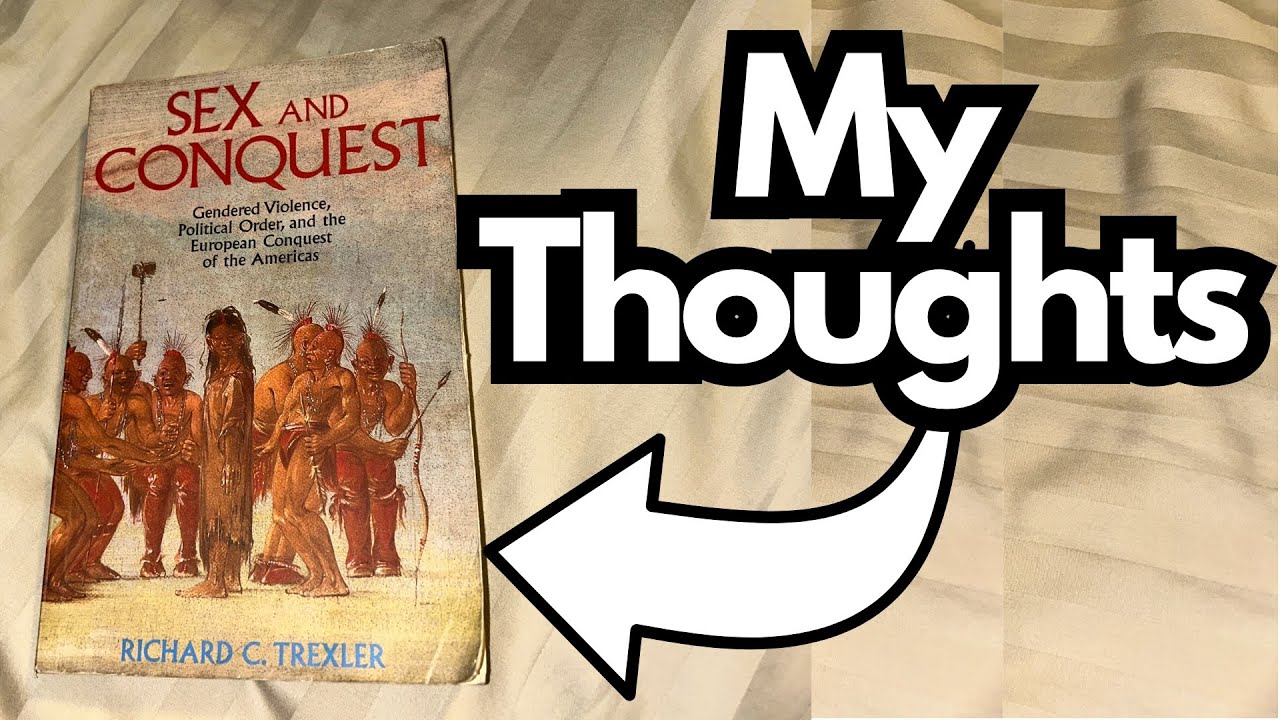
If you’re the kind of person who likes to go down historical and cultural rabbit holes—especially anything touching on North African or tribal history—this book might be worth putting on your list.
It’s not a light, casual read, but if you’re curious about how specific tribes interacted with surrounding powers and cultures, there’s a lot here to dig into.
You can grab it here on Amazon.
Overview / First Impressions
I first read this book about seven or eight years ago. It left an impression as something dense and intellectually demanding, but also rewarding if you’re willing to put in the effort.
This isn’t a breezy pop-history title. It leans more toward serious anthropology or historical analysis, looking at a specific tribe and their interactions with neighboring groups and possibly larger empires or powers in the region.
If you enjoy detailed, source-heavy writing and don’t mind pausing to process, this is in your wheelhouse.
Build & Structure of the Book
From what I remember, the book is structured more like an academic or historical study than a narrative:
- Focuses on one particular tribe as the central subject.
- Explores their social and political interactions with neighboring peoples.
- Likely draws on historical records, oral traditions, and/or fieldwork to build its case.
It’s the kind of book that expects you to pay attention, not something you skim before bed.
Core Themes & Topics
While the details are fuzzy after several years, the main ideas circle around:
- A specific tribe as the main lens.
- Their interactions with regional powers—possibly including:
- “The Mo” (likely shorthand for Moors or a similar group)
- The Berbers or related North African communities.
- The cultural, political, or economic relationships between these groups.
So if you’re interested in:
- Tribal identity and autonomy
- How smaller groups navigate bigger empires or dominant cultures
- North African or Mediterranean borderland history
This book lines up nicely with those interests.
Who This Book Is For
You’ll probably get the most out of it if:
- You’re into anthropology, history, or cultural studies.
- You don’t mind a challenging, sometimes dense writing style.
- You like zoomed-in case studies of specific peoples rather than broad, sweeping histories.
If you just want a quick overview of the region or a story-driven narrative, this might feel a bit heavy.
Limitations / Things to Know
A few fair warnings before you dive in:
- It’s a challenging read. The prose and structure demand focus.
- Not all details stick easily. Even after reading it, you may walk away with impressions more than a clear, chronological story.
- Narrow focus. The deep dive on one tribe is a strength, but if you’re looking for a wide survey of many groups, you may want to pair it with other sources.
This is the kind of book you might need (or want) to reread to really absorb.
Final Thoughts
This book isn’t for everyone, but if you’re drawn to detailed, serious explorations of tribal life and regional interaction—especially in a North African or Berber-related context—it can be a fascinating study.
It’s the sort of title you keep on your shelf knowing you might return to it later, when you’re ready to wrestle with it again and pick up the nuances you missed the first time.
Resources
If you’re interested in structured learning tools—especially if you’re also a guitarist who likes organized reference material—check out:
- A free fretboard cheat sheet: travelingguitarist.com/fretboard-cheatsheet
It’s unrelated to this book’s topic, but great if you like having clear, structured guides in your toolkit.