

If you’re recording guitar at home, running a modeler like a Helix or HX Stomp, or just connecting an audio interface to your computer, your USB cable is more important than it seems.
A flaky connection or a cable that’s too short can turn a smooth session into a headache fast.
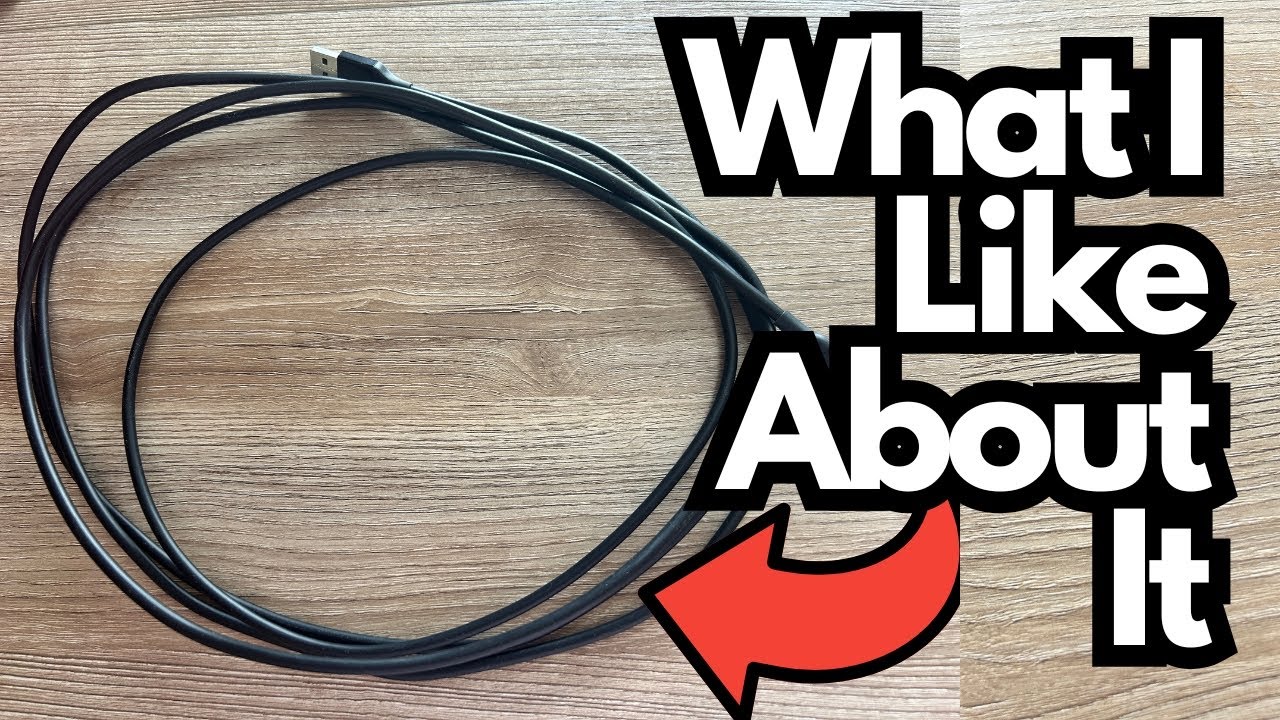
This particular USB cable is simple, no-frills, and very long—good in some ways, disappointing in others. Here’s a quick breakdown from a guitarist’s perspective.
You can grab it here on Amazon if you’re interested.
Overview / First Impressions
- Performance: Works as expected for basic USB duties.
- Length: Extra-long, which is genuinely useful for home studios and practice spaces.
- Big miss: It’s not braided, which affects durability and handling.
This is the kind of cable you buy when you just need something that works and reaches across the room—but it’s not the most rugged option.
Build Quality & Design
The most important design detail here is what it doesn’t have:
- Non-braided jacket
- More prone to kinks and tangles.
- Less resistant to wear if it’s on the floor, under a desk, or moved around a lot.
- Not as confidence-inspiring for gigging or frequent setup/teardown.
On the plus side:
- Connectors feel normal and functional
- They plug in and stay put as you’d expect.
- No obvious looseness or instability.
Overall, it’s a basic, functional cable with no premium touches.
Features & Functions (From a Guitarist’s Perspective)
For guitar players using USB for:
- Audio interfaces (Focusrite, MOTU, etc.)
- Modelers and multi-FX (Helix, HX Stomp, GT-1000, etc.)
- MIDI controllers and pedals (USB-enabled pedals, MIDI foot controllers)
- Re-amping and editing patches over USB
This cable will:
- Transmit data reliably for normal use.
- Reach across a room or around a desk, which is a real win if your computer isn’t right next to your rig.
But it doesn’t offer:
- Extra shielding
- Braided protection
- Any visible strain relief beyond the usual molded ends
How It Fits in a Guitar Setup
The extra length is the standout benefit here:
- Run from your pedalboard to a laptop offstage or across the room.
- Connect an interface on a rack or stand to a computer that’s tucked away.
- Keep your recording area cleaner by routing the cable around furniture instead of stretching it tight.
If you’re mostly:
- Recording at home
- Editing patches
- Using USB for firmware updates or light MIDI
This cable will do the job without drama.
Limitations / Things to Know
- Not braided (the big downside)
- Easier to damage over time if stepped on or rolled over by a chair.
- More likely to tangle in a pedalboard or studio setup.
- Less ideal for gigging or mobile rigs.
- Accidental purchase
- This was bought by mistake specifically because it wasn’t braided—worth double-checking product descriptions if you’re shopping online.
If you rely heavily on USB for live performance or frequent setup/teardown, you’ll probably want a more rugged, braided option.
Final Thoughts
This USB cable:
- Works exactly as it should.
- Offers a very useful extra-long reach.
- Falls short on durability and feel because it isn’t braided.
For a static home studio or practice space, it’s perfectly fine and gets the job done. For gigging guitarists or anyone constantly plugging and unplugging gear, a braided, more robust cable is a better long-term choice.