

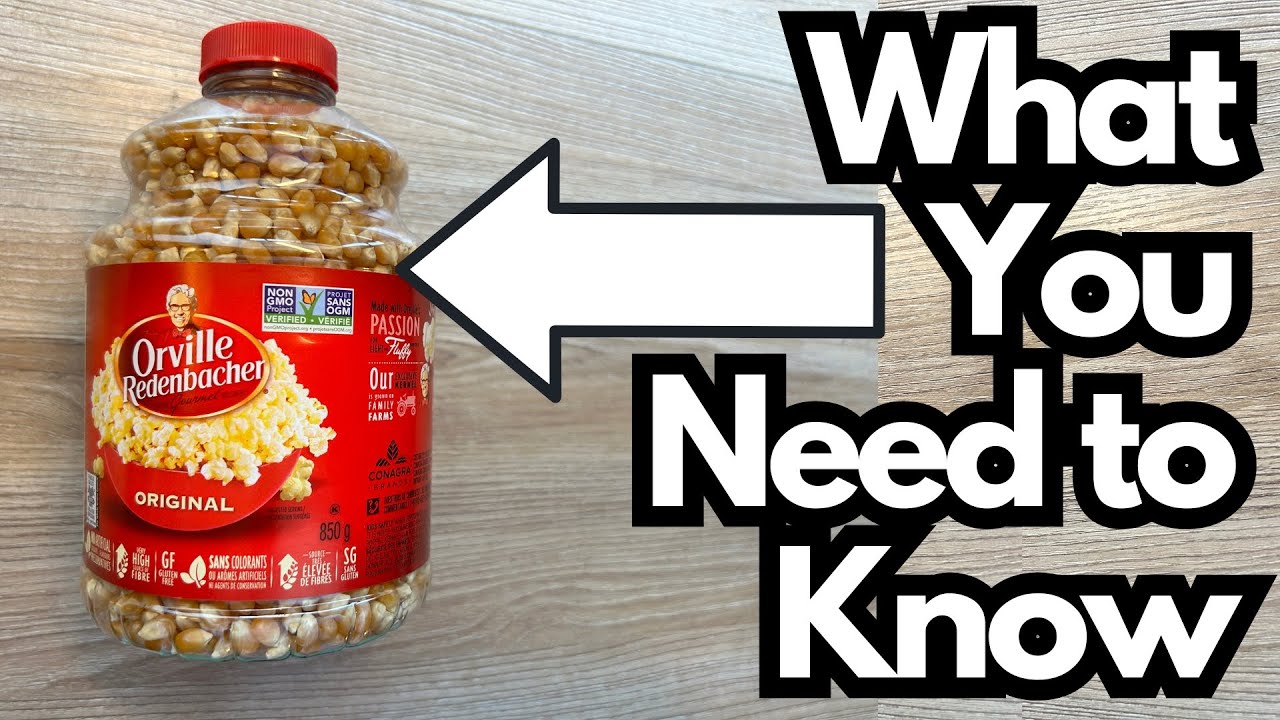
If you love popcorn but you’re tired of half-popped kernels and burnt bits at the bottom of the pot, the problem might not be your technique—it might be your ingredients.
This quick guide walks through a simple, reliable stovetop method that delivers a pot full of fluffy, fully popped kernels. It’s geared toward people who care about quality (the same way gearheads care about good cables, strings, or pedals): if you’re going to do it, you might as well do it right.
You can grab some of the good stuff here on Amazon.
Overview / First Impressions
The core idea here is straightforward:
- Use high‑quality popcorn kernels (like Orville Redenbacher).
- Use good oil and the right amount of heat.
- Use a few “test kernels” to dial in the temperature before you commit the whole batch.
The result: a pot of popcorn with virtually no unpopped kernels and no scorching.
Build Quality & Design (Your Setup)
You don’t need any special hardware—just a few basics:
- Medium or large pot with a lid
- Stovetop (gas or electric)
- Good popping corn (higher-quality kernels pop more consistently)
- Cooking oil with a decent smoke point (vegetable, canola, peanut, etc.)
- Measuring cup (½ cup for the kernels works well)
Think of this like a minimal but well-chosen rig: nothing fancy, just the right tools doing exactly what they’re supposed to do.
Features & Functions: The Method, Step by Step
Here’s the full process:
- Add the oil
Pour oil into the pot until the bottom is evenly coated. You don’t need a deep pool—just enough to cover the base. - Measure your kernels
Use ½ cup of popcorn kernels for a standard batch. - Heat the oil with “test kernels”
Turn the burner to high. Drop three kernels into the pot, put the lid on, and wait. - Watch for the first pops
Once those three kernels have popped, you know the oil is at the right temperature. - Add the rest of the kernels
Remove the lid, pour in the remaining ½ cup of kernels, then put the lid back on. - Pull the pot off the burner briefly
Take the pot off the heat for about 30 seconds. This helps even out the temperature so the kernels heat more uniformly and don’t scorch. - Return to the heat and let it pop
Put the pot back on the burner. Let it pop away, occasionally shaking the pot gently if you like. When the popping slows to a few seconds between pops, remove from heat. - Check the results
You should see no (or almost no) unpopped kernels and evenly popped, fluffy popcorn.
How It Tastes / Use Cases
Using better kernels and managing the heat properly gives you:
- More complete popping – very few “old maids” left in the pot.
- Better texture – light, crisp popcorn instead of tough or chewy pieces.
- More control – season it however you want (salt, butter, nutritional yeast, caramel, chili, etc.).
This is perfect for:
- Movie nights
- Quick snacks
- Feeding a group without relying on microwave bags
- Anyone who enjoys dialing in a simple process for great, repeatable results
Limitations / Things to Know
A few caveats to keep in mind:
- Kernel quality matters
Lower-quality popcorn often doesn’t pop as fully or as evenly with this method. The whole technique assumes you’re starting with decent kernels. - Oil quality matters
Since you’re cooking at relatively high heat, you don’t want cheap, burnt-tasting oil. A neutral oil with a good smoke point works best. - Stovetop attention required
This isn’t a “set and forget” method—you do need to listen for the pops and manage the heat. It’s a couple of minutes of active involvement for a much better result.
Final Thoughts
This approach is all about consistency. By:
- Using better kernels,
- Starting with three test kernels, and
- Letting the pot sit off the burner for about 30 seconds after you add the full batch,
you get popcorn that pops evenly and completely, without burning.
Once you’ve done it a couple of times, it becomes second nature—and you may never want to go back to microwave bags again.
Resources
If you want to experiment further:
- Try different kernel brands and note how well they pop with this method.
- Experiment with different oils (e.g., coconut oil for a more “theater-style” flavor).
- Play with seasoning blends once you’ve nailed the base technique.