

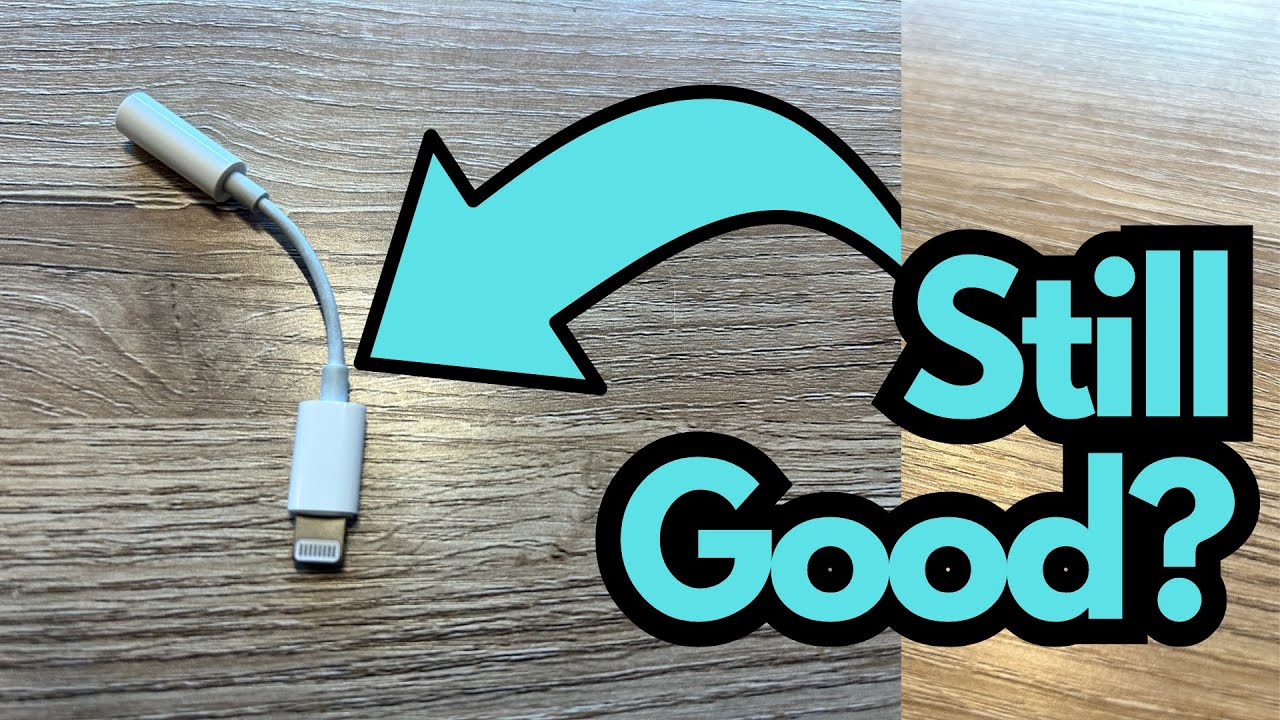
The little Lightning-to-3.5mm headphone adapter is often a necessary evil. It’s the tiny dongle that lets you plug in wired headphones, in-ear monitors, or even route your phone into an audio interface or practice rig.
On paper, it’s simple and convenient. In practice, its reliability over time can make or break your listening and practice experience—especially if you’re using higher‑end headphones or IEMs.
This post takes a closer look at how the adapter behaves in real-world use, especially paired with quality headphones like the Etymotic ER3SE, and what you should know before relying on it as a long‑term solution.
Overview / First Impressions
The Apple Lightning to 3.5mm adapter is designed to be a transparent, plug‑and‑play solution:
- Plug the Lightning end into your iPhone
- Plug your 3.5mm headphones or cable into the other end
- Enjoy wired audio with minimal fuss
When it’s new, it usually does exactly that. With headphones like the Etymotic ER3SE, it can sound clean, detailed, and perfectly usable for:
- Critical listening
- Practicing guitar along with tracks on your phone
- Using amp sim apps and metronomes
- Watching lessons or tutorials
However, its long‑term durability is where things get interesting.
Build Quality & Design
Physically, the adapter is tiny and lightweight, which is both a blessing and a curse.
Pros:
- Extremely portable
- Doesn’t add bulk to your setup
- Easy to leave on a cable or in a guitar case
Cons:
- Thin cable section is prone to wear over time
- The Lightning end and 3.5mm jack can become loose or finicky with repeated use
- Not really designed for years of constant plugging/unplugging in a musician’s workflow
If you’re using it daily—plugging into headphones, aux cables, or practice rigs—expect it to see some mechanical stress that can show up as intermittent audio issues down the line.
Features & Functions
Functionally, the adapter is straightforward:
- Digital-to-Analog Conversion (DAC): Converts the iPhone’s digital audio signal to analog for your headphones.
- 3.5mm TRRS Jack: Accepts standard headphone plugs, including many IEMs and studio-style headphones with 3.5mm connectors.
- System Integration: Volume, playback, and phone call handling are all managed by iOS as usual.
For guitarists, this means you can:
- Plug wired headphones into your iPhone to practice silently with amp sim apps
- Use IEMs you already trust from your live rig for consistent monitoring when learning songs or working with backing tracks
- Feed your phone’s audio into a mixer or audio interface via a 3.5mm cable for quick reference tracks
When it’s working properly, it’s a simple, clean link in the chain.
Real-World Behavior: How It Actually Performs
This is where things get more nuanced.
With headphones like the Etymotic ER3SE:
- Directly into a dedicated player (e.g., HiFi Walker):
- No problems
- No cutouts
- No weird behavior
- Stable connection and consistent sound
- Plugged into an iPhone via the Lightning adapter:
- The connection can become finicky over time
- Audio may cut out or behave unpredictably
- Wiggles or slight movements can sometimes trigger issues
This contrast is important: the same headphones behave perfectly when plugged into a proper 3.5mm jack on a dedicated device, but start acting up when that Lightning adapter is in the chain.
That strongly suggests the weak link isn’t the headphones—it’s the adapter, especially as it ages.
Limitations / Things to Know
1. Longevity Is Limited
In this case, the adapter worked fine for a couple of years before becoming unreliable. That’s not terrible for a small, inexpensive accessory—but it’s also not bulletproof.
If you’re a heavy user (daily practice, lots of plugging/unplugging), you should:
- Expect some wear and tear over time
- Consider the adapter more like a consumable than a lifetime tool
2. Intermittent Issues Can Be Subtle
The problems aren’t always dramatic. You might notice:
- Occasional cutouts
- Audio dropping in one ear and coming back
- Needing to twist or reseat the plug to get a clean connection
For casual listening, this is annoying. For practicing guitar, tracking parts, or working on ear training, it can be genuinely disruptive.
3. Not All Devices Behave the Same
The fact that the Etymotic ER3SE works flawlessly:
- Directly into a HiFi Walker
- But becomes unreliable through the iPhone + adapter
…tells you the adapter is the likely failure point. If your headphones behave perfectly on other gear, don’t rush to blame the headphones when issues only appear with the Lightning adapter in the chain.
Practical Tips for Guitarists & Musicians
If you’re using this adapter as part of your practice or recording setup:
- Have a backup.
If you depend on it for lessons, rehearsals, or silent practice, consider owning a spare. - Minimize strain.
Avoid letting the adapter dangle or bend sharply when your phone is in your pocket or on a stand. - Test your chain.
If you notice cutouts, test:- Headphones directly into another device with a 3.5mm jack
- Another pair of headphones with the adapter
This helps confirm whether the adapter is the culprit. - Plan for alternatives.
If reliability becomes an issue:- Consider a small Lightning or USB‑C audio interface
- Or move to a device with a built‑in headphone jack for critical practice or recording
Final Thoughts
The Apple Lightning to 3.5mm adapter is convenient and works well—at first. For a lot of casual users, it’ll do its job for a couple of years without much complaint.
For guitarists and serious listeners, though, it’s worth knowing:
- It may not be a long‑term, rock‑solid solution.
- As it ages, it can become finicky, especially with higher‑end headphones like the Etymotic ER3SE.
- If you rely on your iPhone as a core part of your practice or listening setup, treating this adapter as a wear item—and having a backup plan—will save you frustration.
In short: it’s handy, it works, but don’t assume it’ll last forever. If your headphones start acting weird only when the adapter is in the chain, the adapter is probably the first thing to suspect.