

Reading history is supposed to broaden your perspective, challenge your assumptions, and help you understand how we got here. But sometimes, the way a book is written can feel less like honest analysis and more like it’s following an intellectual trend.
You can grab one here on Amazon if you’re interested.
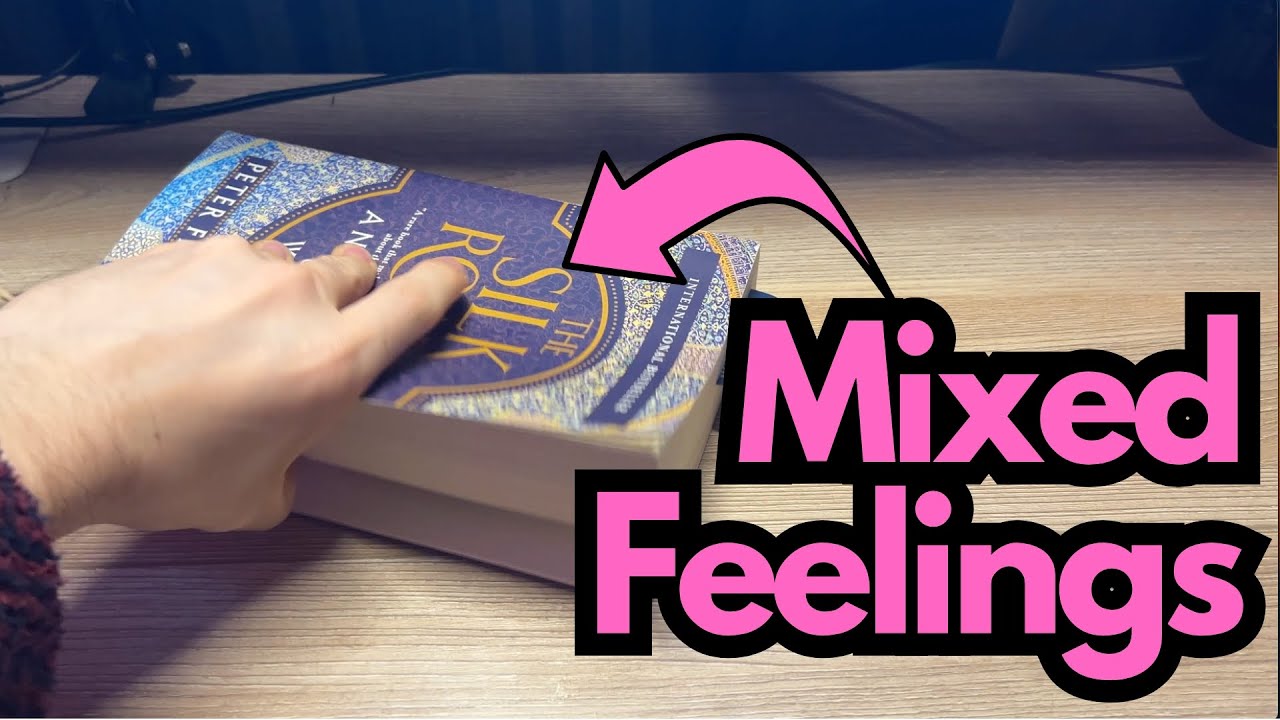
I’m about halfway through a history book right now that’s clearly well researched and thoughtfully put together. The scholarship seems solid. But there’s one thing that keeps pulling me out of it: the way it frames “the West” compared to everyone else.
This isn’t a gear review or a music theory deep dive, but it does touch on something a lot of us deal with when we read, watch, or listen to modern commentary—especially if we grew up hearing the same narrative over and over. Let’s break down what’s going on.
Overview / First Impressions
On the surface, the book is strong:
- It’s clearly well researched.
- The author knows the material and brings in a lot of historical detail.
- The narrative is engaging enough to keep me reading halfway through.
The problem isn’t the facts being presented; it’s the tone and framing—specifically, how European and Western powers are described versus other historical civilizations.
The Issue: Loaded Language and One‑Sided Critique
The main frustration is the use of loaded, moralizing language when talking about European forces. They’re often framed as:
- Uniquely evil
- Singularly oppressive
- The primary villains of the story
Meanwhile, other major historical powers—like the Mongol Empire or various Islamic civilizations—are discussed in a noticeably softer tone. Similar actions or policies are not described with the same harsh vocabulary.
It’s not that European colonialism or imperialism shouldn’t be criticized. They absolutely should, and honest history demands that we confront the ugly parts. The issue is selective moral outrage and uneven standards.
When one group is consistently described with moral condemnation while others are treated more gently for similar behavior, it stops feeling like history and starts feeling like ideology.
The “Anti‑Western” Intellectual Trend
This book seems to fall into a broader trend that’s been around for a while: an “anti‑Western” framing that treats European or Western civilization as uniquely bad, uniquely oppressive, or uniquely corrupt.
If you’ve been hearing that kind of rhetoric your whole adult life, it gets old. Not because the West is beyond criticism—far from it—but because:
- The narrative becomes predictable and intellectually lazy.
- It flattens complexity into good guys vs. bad guys.
- It ignores or downplays the flaws and atrocities of non‑Western powers.
History is messy. Every major civilization has blood on its hands. When a book pretends otherwise, or only shines a spotlight in one direction, it stops being enlightening and starts being repetitive.
Why This Matters
This kind of bias isn’t just annoying—it affects how we understand the world:
- It narrows perspective instead of widening it.
- It discourages nuance, which is essential for honest discussion.
- It alienates readers who are tired of being told that one culture is the root of all problems.
If you go into a book hoping for balanced analysis and instead get what feels like a moral lecture aimed primarily at the West, it can be hard to stay engaged—no matter how good the research is.
Limitations / Things to Know Before You Read
If you’re considering a book like this, here are a few things to keep in mind:
- Expect strongly critical language when it comes to European or Western powers.
- Don’t expect equally sharp criticism of other empires or civilizations, even when they engaged in similar behavior.
- Be prepared to filter the narrative: separate the factual content from the author’s framing and tone.
If you’re already worn out on “the West is uniquely evil” as a default storyline, this kind of book may feel more draining than enlightening.
Final Thoughts
There’s a lot of value in critically examining Western history. That work is necessary and important. But when a book leans into an obvious anti‑Western bias—using loaded language for European forces while soft‑pedaling others—it stops feeling fresh or insightful.
I’m not interested in one‑sided blame anymore. I want history that:
- Holds everyone to the same moral and analytical standards.
- Acknowledges Western failures and contributions.
- Critiques all major powers with equal honesty.
This particular book has strong research behind it, but the slanted framing makes it less compelling. If you’re over the anti‑Western intellectual fashion trend, you may find yourself reacting the same way.