

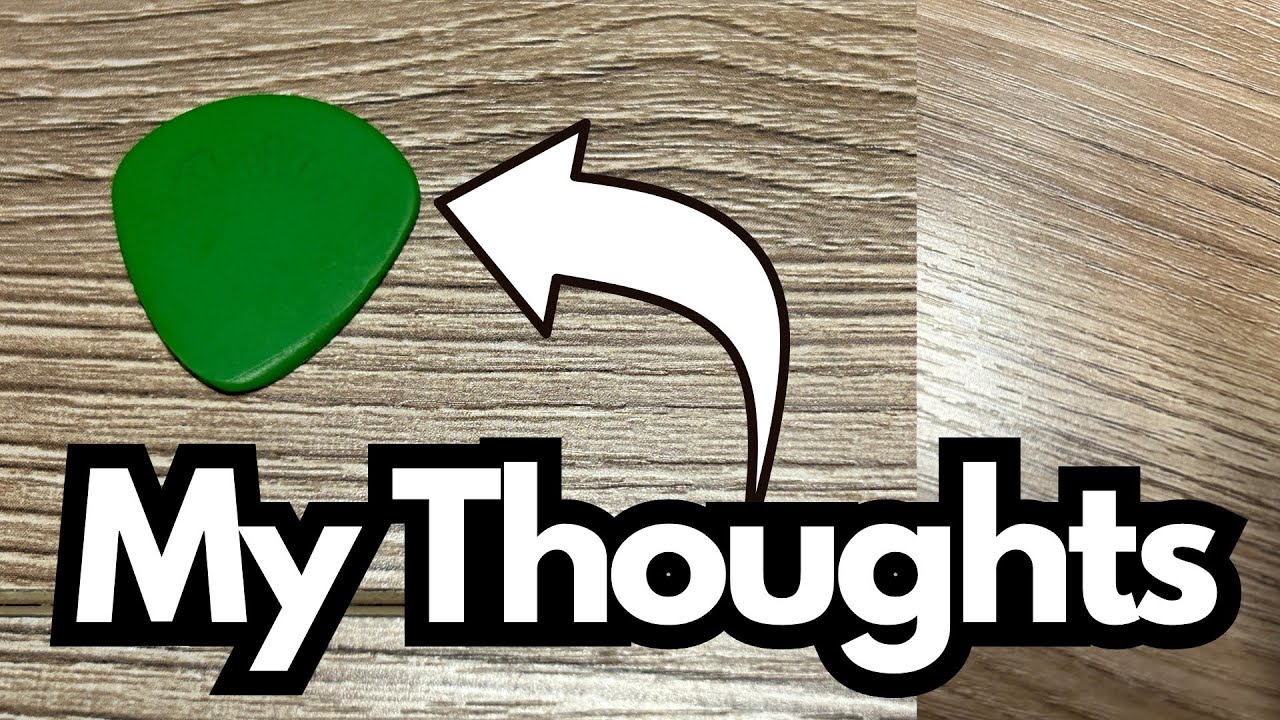
If you’re into precision playing, fast alternate picking, or articulate lead work, the pick you use matters just as much as your strings or pickups. The Dunlop Tortex Jazz III is one of those unassuming pieces of gear that can quietly transform your playing feel and accuracy.
You can grab some here on Amazon if you’re interested.
This review looks at the Tortex Jazz III from a guitarist’s perspective: how it feels, how it behaves under the fingers, and why it might be worth adding to your pick arsenal.
Overview / First Impressions
The Dunlop Tortex Jazz III is essentially a hybrid between two classics:
- The Jazz III shape – small, sharp, and built for precision.
- The Tortex material – that familiar Dunlop “turtle” pick feel with a bit of flex and grip.
If you’ve ever tried a standard red Jazz III and found it a bit too stiff or clinical, the Tortex version gives you much of that control but with a slightly more forgiving feel. It’s still a serious “player’s pick,” but it’s not as rigid as some of the nylon or Ultex variants.
Over time, you’ll see the logo and turtle graphic wear off and the edges round slightly. That’s not a flaw—it’s just evidence that this thing begs to be played.
Build Quality & Design
The Tortex Jazz III keeps the classic Jazz III silhouette:
- Small footprint – less pick hanging out past your fingers, which means more control.
- Pointy tip – ideal for accurate string targeting and articulate note attack.
- Tortex material – durable, with a matte feel that offers natural grip.
A few design points that matter in real playing:
- Wear pattern: The edges will wear down with heavy use, slightly rounding the tip. Some players actually prefer this “broken-in” feel because it glides even smoother over the strings.
- Grip and feel: Tortex has a subtle texture that helps the pick stay put without feeling sticky. Even when the logo wears off, the material itself still feels secure between your fingers.
- Thickness and flex: Unlike some Jazz III variants that are almost completely rigid, the Tortex Jazz III has a small amount of flex. That makes it feel more musical and forgiving, especially for rhythm playing or dynamic lead work.
Features & Functions
Here’s what stands out about the Tortex Jazz III in actual use:
- Precision of a Jazz III
The pointed tip and small size give you excellent control over your picking hand. You can hit individual strings cleanly, execute fast runs, and manage tricky string-skipping lines with confidence. - Slight flex for better feel
That bit of flex separates it from the stiffer Jazz III models. It softens the attack just enough to make strumming and hybrid roles (rhythm + lead) feel more natural, without losing the core Jazz III precision. - Consistent attack
Tortex tends to produce a consistent, slightly dry and focused attack. It avoids the overly bright “click” that some harder materials can introduce, especially on high-gain tones. - Durability
Even when the logo and turtle are long gone, the pick remains usable. It will wear, but it doesn’t fall apart. For many players, the “worn-in” edge becomes a sweet spot.
How It Sounds / Use Cases
From a tone and feel perspective, the Tortex Jazz III is ideal if you want:
- Tight, articulate lead tones – great for rock, metal, fusion, or any style where you’re playing fast lines and need clarity.
- Controlled alternate picking – the small size and sharp tip make it easy to minimize pick travel and keep things efficient.
- Expressive dynamics – the slight flex allows you to dig in for aggressive picking or back off for softer, more nuanced phrases without feeling like the pick is fighting you.
- Balanced rhythm and lead – unlike ultra-stiff picks that can feel awkward for strumming, this one can handle chord work reasonably well while still excelling at single-note lines.
If you’re practicing technique-heavy material—scale runs, arpeggios, triad-based lines, or improvisation across the neck—this pick gives you the control you need to really hear what your hands are doing.
Limitations / Things to Know
No piece of gear is perfect for everyone. A few things to keep in mind:
- Small size isn’t for everyone
If you’re used to standard-size picks, the Jazz III shape can feel tiny at first. There’s less to grab onto, and it may take a little adjustment period. - Pointy tip = unforgiving at first
The precision is great, but it also means sloppy picking is more obvious. That’s ultimately a good thing for your technique, but it can feel harsh if you’re not used to it. - Wear changes the feel
Over time, the tip will round off. Some players love that; others prefer a fresh, sharp edge and will rotate picks more frequently. - Not the best for big acoustic strumming
You can strum with it, but if your main thing is wide, open acoustic chords, a larger, thinner pick might feel and sound more natural.
Final Thoughts
The Dunlop Tortex Jazz III is a fantastic choice if you want the control and precision of a Jazz III with a touch more flex and musicality. It’s especially well-suited for:
- Lead players who value accuracy and speed
- Guitarists working on fretboard fluency, triads, and improvisation
- Anyone who finds standard Jazz IIIs a bit too stiff but loves the concept
It’s a small, inexpensive piece of gear, but it can make a big difference in how connected you feel to your instrument. If you’ve never tried a Jazz III–style pick—or if you bounced off the stiffer versions—this Tortex variant is absolutely worth a test drive.
Resources & Further Study
If you’re using a precise pick like this to really dial in your technique and fretboard knowledge, you might find these helpful:
Fretboard Memorization Cheat Sheet – a practical guide to major and minor triads in every key, using octave mapping and other techniques to help you:
- Memorize the notes on the fretboard
- Understand triads as the foundation of chords and harmony
- Improvise more confidently in multiple keys
You can grab it at: travelingguitarist.com (look for the fretboard cheat sheet).
Traveling Guitarist Forum – a place to talk guitar, music, and related topics with other players:
forum.travelingguitarist.com
Pair a precise pick like the Tortex Jazz III with solid fretboard knowledge, and your playing will feel more controlled, intentional, and expressive.