

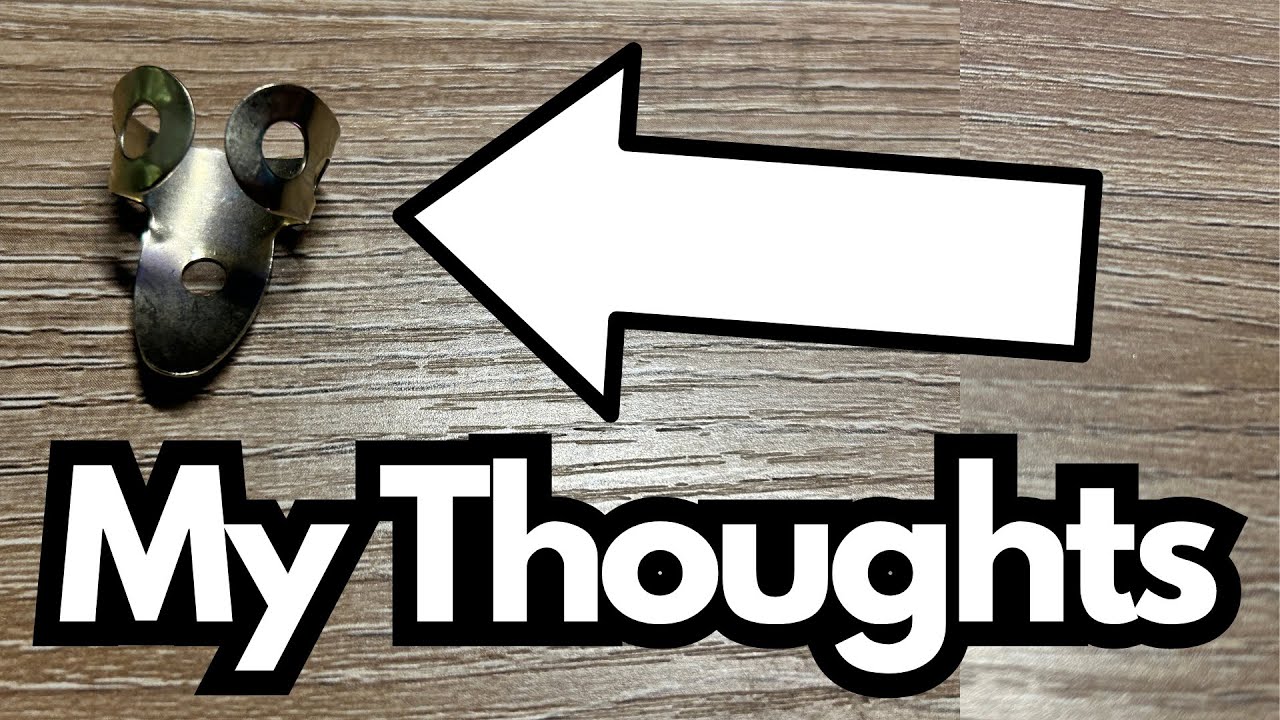
If you’ve ever opened a mixed bag of picks and found a strange metal contraption inside, you’ve probably met something like this: a small steel pick that looks like it might be for your thumb… or maybe your finger… or maybe both? You can grab it here on Amazon.
This post is for players who are curious about metal finger/thumb picks, wondering what they’re for, and whether they’re worth adding to their toolkit.
Overview / First Impressions
The pick in question is a small steel pick clearly intended for use as a thumb or finger pick rather than a traditional flatpick. It’s not something I personally use in my regular playing, and I’ll be upfront: this isn’t a long-term road test review.
However, even from limited handling, a few things are obvious:
- It’s made of steel, not cheap plastic.
- It’s designed for fingerstyle or hybrid picking, not strumming big open chords.
- It will most likely appeal to players already into fingerpicks—country, bluegrass, banjo crossover players, or experimental electric players chasing a brighter attack.
If you’ve never used metal fingerpicks before, this kind of tool can be a very different experience compared to standard picks.
Build Quality & Design
While I haven’t put this pick through months of playing, the basic construction is clear:
- Material: Steel
Offers durability and a bright, cutting attack, and it won’t wear down the way soft plastic does. - Overall feel:
Feels solid and not flimsy in the hand. There’s no obvious “toy” or novelty vibe; it feels like functional hardware.
Because it’s metal, you can expect:
- A sharper, more defined contact with the string.
- A more percussive tone, especially on acoustic guitars.
- A different feel on the picking hand compared to nylon or celluloid.
Features & Functions (What It’s For)
While the exact design (thumb vs. finger) isn’t fully clear without trying it on, tools like this typically fall into one of these categories:
Thumb Pick
A thumb pick wraps around the thumb and replaces traditional flatpicking for styles such as:
- Travis picking
- Country fingerstyle
- Blues and ragtime patterns
Finger Pick
A finger pick wraps around a finger (usually index, middle, or ring) to:
- Add volume and brightness to fingerpicked lines.
- Help with banjo-style rolls or hybrid guitar/banjo techniques.
- Provide a very defined attack for fast arpeggios or chicken picking.
If you’re already a fingerstyle player or you come from a banjo background, you’ll immediately understand where this fits. If you’re a pure flatpick rock or metal player, this is more of a specialty tool than an everyday essential.
How It Sounds / Use Cases (From a Guitarist’s Perspective)
While I haven’t integrated this specific pick into my own rig, here’s what steel picks like this typically bring to the table:
Tone
- Bright and cutting:
Metal on string is naturally brighter than plastic, especially on acoustic. - Pronounced attack:
Great for styles where you want every note to pop out clearly. - More volume:
Particularly useful on acoustic guitars in unamplified settings.
Practical Use Cases
Country & Bluegrass:
Thumb and fingerpicks are standard in these styles. A steel pick like this can give you that punchy, articulate sound for:
- Rolls
- Alternating bass lines
- Fast flatpicked licks combined with fingerstyle
Acoustic Fingerstyle:
If you struggle to get enough volume with bare fingers, a metal pick can:
- Increase projection
- Add clarity to complex chord shapes and melodic lines
Electric Guitar Experimentation:
On electric, a steel pick can:
- Add an aggressive edge to clean or slightly driven tones.
- Give a unique attack for ambient or textural playing.
- Help notes “speak” more clearly in dense mixes.
Limitations / Things to Know
There are a few caveats with steel thumb and finger picks in general:
- Learning curve:
If you’ve only used flatpicks or bare fingers, these will feel strange at first. Your accuracy, dynamics, and comfort may take time to adjust. - Tone can be too bright:
On some guitars (especially already-bright acoustics), the sound might come off as harsh or clicky if your touch is heavy. - Not for everyone’s style:
If you’re a rock, metal, or blues player who mostly strums or alternate-picks with a flatpick, this may not fit your workflow unless you’re deliberately exploring fingerstyle or hybrid picking. - Limited personal testing:
I haven’t put this particular pick through extended use, so I can’t speak to long-term comfort or how well it stays in place during a full set.
That said, if you’re already into thumb or fingerpicks, this kind of steel option will likely feel familiar and potentially very usable.
Final Thoughts
This steel thumb/finger-style pick is a niche but potentially useful tool:
- It’s well-made from steel, not cheap plastic.
- It’s clearly aimed at fingerstyle, country, bluegrass, or experimental players.
- If you’re already comfortable with fingerpicks, you’ll probably be able to drop this into your setup and see if the brighter, more aggressive tone works for you.
If you’ve never used a thumb or finger pick before, think of this as an optional expansion to your toolkit rather than a must-have. It’s not essential for most guitarists—but in the right hands and the right style, it can add a unique edge to your tone and articulation.
Resources & Further Study
If you’re looking to go deeper into fretboard knowledge and improvisation (which pairs nicely with any gear exploration), there are a couple of helpful resources:
Fretboard Memorization Cheat Sheet – TravelingGuitarist.com
A concise reference of major and minor triads in every key, using the “mapping” approach to:
- Memorize the fretboard
- Understand triads as the foundation of chords and harmony
- Start improvising more confidently across different keys
Traveling Guitarist Forum – forum.travelingguitarist.com
A place to:
- Talk guitar, music theory, and gear with other players
- Ask questions and share your own insights
- Connect with a community of guitarists at various levels
If you’re experimenting with new picks or new techniques, combining that with stronger fretboard knowledge and harmony understanding will make your playing far more musical—no matter what you’re holding in your picking hand.