

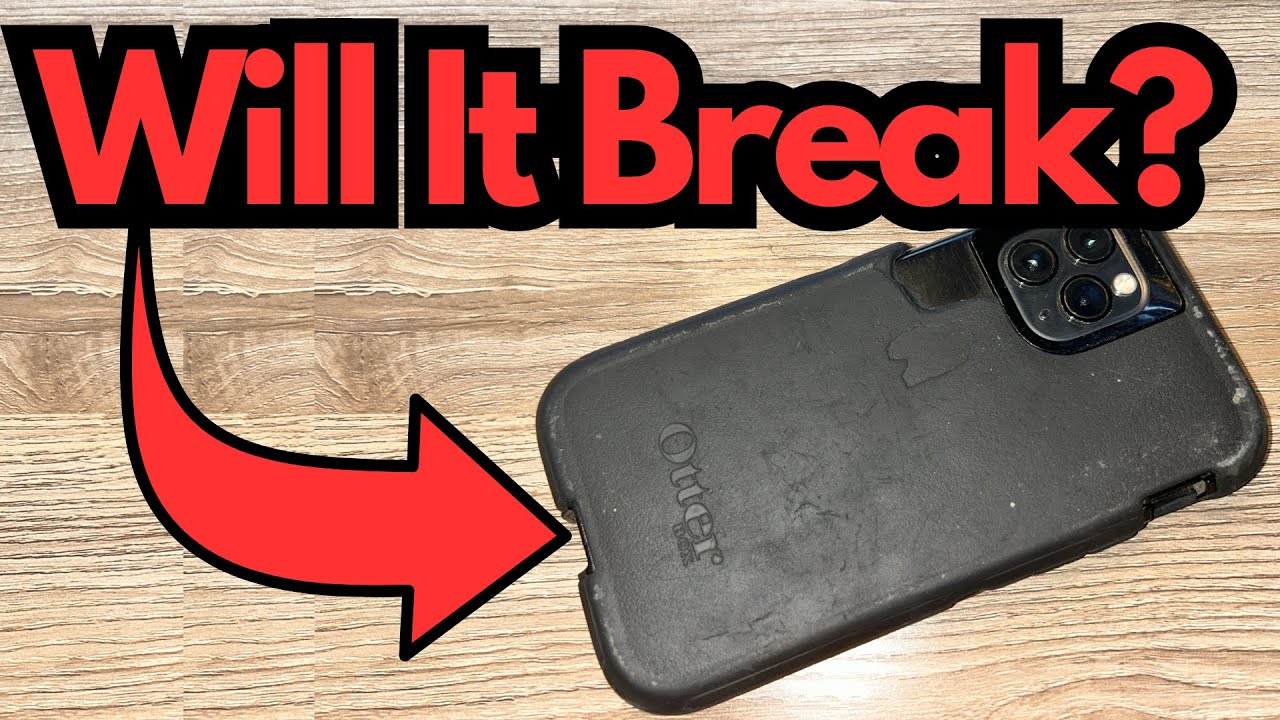
If you’re the kind of person who’s constantly dropping your phone off the couch, out of your pocket, or—let’s be honest—down a flight of stairs, a tough case isn’t optional. It’s insurance.
The OtterBox Defender series has built its reputation on being one of the most rugged, everyday-proof cases out there, and there’s a simple reason I keep going back to it: it actually works. You can grab one here on Amazon if you’re interested.
This isn’t about aesthetics or ultra-slim minimalism. It’s about real‑world abuse and whether your phone survives.
Overview / First Impressions
The OtterBox Defender is a heavy-duty, multi-layer phone case designed to protect your device from drops, impacts, and general life chaos. It’s not the thinnest or lightest option, but that’s not its mission.
In a real-world test, I tossed the phone—inside the Defender—down a set of about 13 stairs. The result?
- The phone still worked perfectly.
- No cracks, no functional damage.
- Even the case itself wasn’t broken or deformed.
That kind of performance is why I keep buying this case.
Build Quality & Design
The Defender series is all about layered protection:
- Inner shell: A hard polycarbonate frame that locks around the phone and absorbs impact.
- Outer layer: A grippy rubber/silicone exterior that helps with shock absorption and makes it easier to hold.
- Raised edges: The lip around the screen and camera keeps those surfaces off the ground if the phone lands face-down or on its back.
It’s definitely a “tank” of a case. If you’re used to slim clear cases, the Defender will feel bulkier in the hand and in the pocket—but that’s the tradeoff for serious protection.
Features & Functions
While this particular test focused on durability, the Defender line typically offers:
- Drop protection: Designed to handle repeated drops and impacts.
- Port covers: Flaps over charging and headphone ports to help keep out dust and debris.
- Button coverage: Covered volume and power buttons that still feel responsive.
- Non-slip grip: The rubber exterior helps keep the phone from sliding off surfaces or out of your hand.
The key point is that all of this is built around one job: keep your phone alive when you don’t treat it gently.
How It Holds Up in Real Life
That staircase test is a pretty solid representation of what this case is for:
- Dropping your phone down a flight of stairs.
- Knocking it off a desk or nightstand.
- Tossing it into a gig bag, backpack, or tool bag where it’ll get banged around.
After the drop:
- The phone functioned normally.
- The screen was intact.
- The case itself showed no obvious damage.
For anyone who gigs, travels a lot, or works in environments where your phone takes abuse (rehearsal rooms, stages, studios, construction sites, etc.), that kind of reliability is worth more than a slim profile.
Limitations / Things to Know
The Defender isn’t perfect for everyone. A few things to keep in mind:
- Bulk: It adds noticeable size and weight to your phone. If you want a super-sleek pocket profile, this isn’t it.
- Style: It’s more “practical armor” than “fashion accessory.” Function over form.
- Pocket feel: The grippy rubber is great for not dropping your phone, but it can make sliding it in and out of tight pockets a bit slower.
If maximum protection is your priority, these tradeoffs are pretty easy to live with. If you care more about minimalism, you may find it overkill.
Final Thoughts
I keep coming back to the OtterBox Defender for one main reason: it does its job. I can throw my phone down a set of stairs, pick it up, and everything still works—phone and case included.
If you’re rough on your gear, have a history of cracked screens, or just want peace of mind that your phone can survive real-world accidents, the Defender series is absolutely worth considering.