

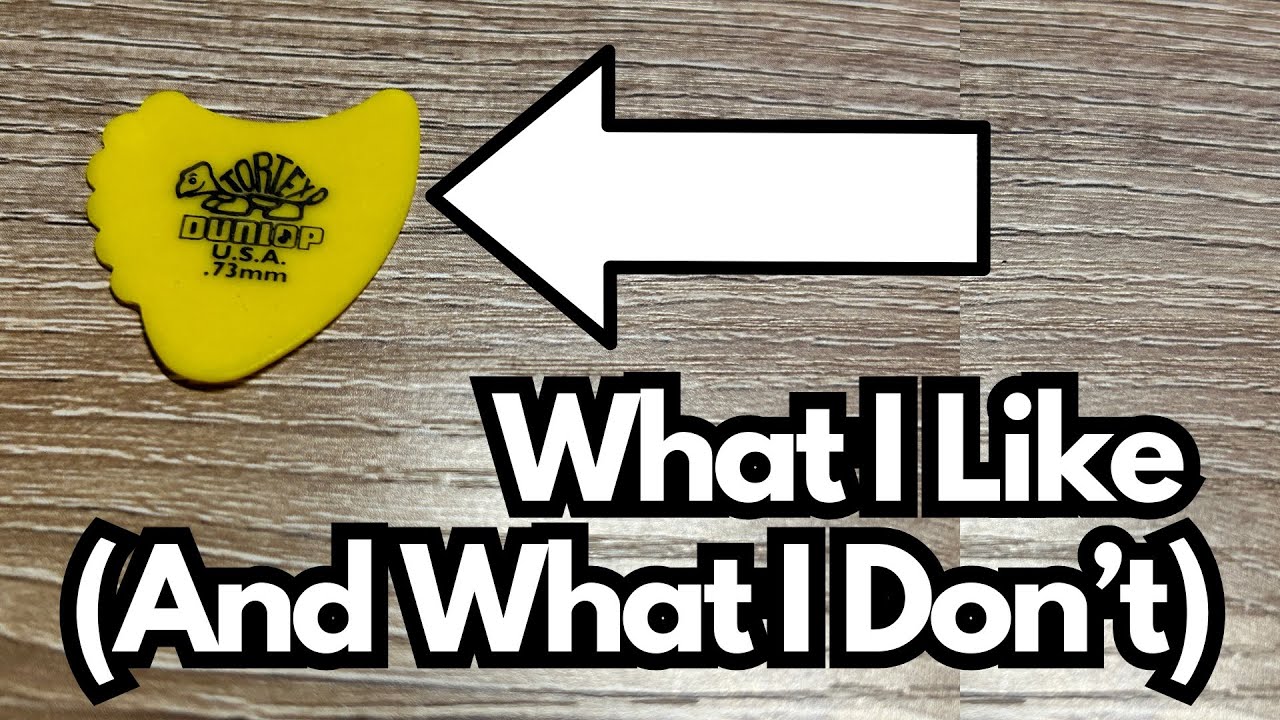
If you’ve spent any time browsing guitar accessories online, you’ve probably seen those wild-looking “fin” picks with jagged edges and unusual shapes.
They definitely stand out in a pile of regular teardrop picks—but do they actually do anything useful for your playing, or are they just a visual gimmick? Grab some on Amazon if you’re interested in experimenting.
This post walks through real-world impressions of fin-style picks from a guitarist’s perspective: how they feel, how they sound, and whether they’re worth adding to your gig bag.
Overview / First Impressions
Fin picks are clearly designed to catch your eye. They look like something between a regular pick and a shark tooth, with a jagged or “fin” edge on one side and a more traditional picking surface on the other.
The initial reaction? They feel more like a novelty than a serious upgrade. If you’re just looking for something that looks cool or different on your pedalboard or in your pick tin, they absolutely deliver. But at first touch, they don’t seem to offer an obvious functional advantage over a standard pick.
That said, once you actually play with both sides of the pick, there is a subtle difference in feel and attack.
Build Quality & Design
Most fin picks are made from typical pick materials (usually plastic) and feel solid enough in the hand. They don’t feel flimsy or cheap, and the edges are cut cleanly.
Key design elements:
- Jagged “fin” edge on one side
This is the main selling point. The idea is that you can use this edge to: - Regular picking edge on the other side
The opposite side is shaped more like a standard pick, so you can flip it and play normally. - Comfort & grip
In the hand, they don’t feel dramatically better or worse than a regular pick. If you’re used to standard shapes, there’s a bit of an adjustment, but nothing extreme.
Visually, they’re fun. Functionally, the design is more subtle than it looks.
Features & Functions
From a guitarist’s standpoint, these are the main “features” you’re actually interacting with:
1. Two Distinct Edges
Jagged side
- Slightly different feel on the strings
- Produces a more noticeable “click” or scratch when you dig in
- Can be used for textural effects, especially on distorted tones or high-gain parts
Smooth side
- Closer to a normal pick feel
- Less noisy and more familiar for everyday rhythm and lead playing
2. Scratch Effects
Marketing often highlights the ability to “scratch” along the strings with the jagged side. In practice:
- You can get a slightly more pronounced scratch sound.
- A regular pick can already produce a similar effect if you angle it and drag it across the strings.
- The difference is there, but it’s not night-and-day.
3. Slightly Different Attack
After testing both sides back-to-back, there is a “wee bit” of a difference:
The jagged side is:
- A bit more clicky
- Slightly more aggressive in attack
- More noticeable on clean tones and light overdrive
The smooth side feels:
- More standard
- Less percussive
- Better for general-purpose playing
So while the pick initially feels like pure aesthetics, there is a small tonal and tactile difference once you really pay attention.
How It Sounds / Use Cases
If you’re wondering where this kind of pick might actually fit into your playing, here are a few realistic scenarios.
1. Textural & Ambient Parts
If you like adding little sound-design moments—string scratches, percussive rakes, subtle noise between chords—the jagged edge can give you a slightly more pronounced effect.
- Great for:
2. Heavier, Percussive Rhythm
On high-gain tones, the extra click from the jagged side can add a bit more attack to chugs and tight riffs. It’s not a massive change, but it might be noticeable in a recording or through a good amp.
3. Studio Toy / Creative Option
Where this kind of pick really makes sense is as a studio or practice toolbox item:
- You might not use it every day.
- But it’s handy to have around if you want to:
Limitations / Things to Know
Despite the small tonal differences, there are some clear limitations:
- Not a game-changer
It doesn’t radically improve tone, speed, or comfort compared to a good standard pick. - Niche use
For most players, this won’t become a main everyday pick. It’s more of a specialty tool for specific sounds. - Learning curve (minor)
Flipping between the jagged and smooth sides takes a bit of getting used to, especially live. - You might not end up using it much
It’s easy to try it, think “that’s neat,” and then go right back to your usual picks. That’s exactly what happened here: after some testing, it mostly stayed unused.
If you already have a pick you love for comfort and tone, a fin pick probably won’t replace it.
Final Thoughts
Fin picks are interesting, but they’re not essential.
- If you’re a tone tweaker, studio nerd, or experimental player, they might be worth a try as a creative option for extra scratch and click in your attack.
- If you just want a reliable, everyday pick, you’re probably better off sticking with a well-made standard pick in your preferred thickness and material.
They look cool, they do offer a small difference in feel and sound, but for most guitarists they’ll end up as a fun extra rather than a core part of the rig.
If you’re curious, grab one and see if it sparks any new ideas. Just don’t expect it to magically transform your playing.
Resources & Further Study
If you’re looking to go deeper into actual playing skills (beyond pick experiments), here are a couple of useful resources mentioned:
- Fretboard Memorization Cheat Sheet – TravelingGuitarist.com
A guide to major and minor triads in every key, using “octave mapping” and other techniques to: - Traveling Guitarist Forum – forum.travelingguitarist.com
A place to talk guitar, music, and related topics with other players, ask questions, and share ideas.
Those will do far more for your playing than any specialty pick ever could.