

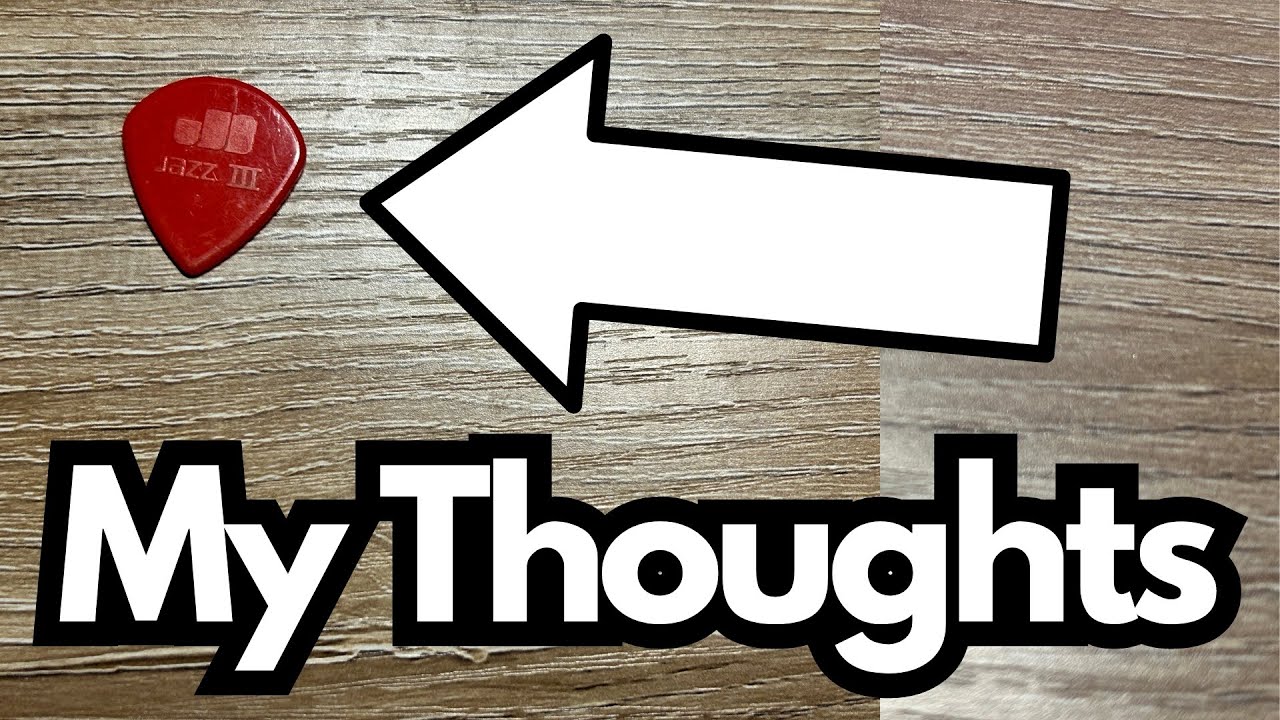
For a lot of players (myself included), the Jazz III is the first “serious” pick that changes how you approach fast alternate picking, lead lines, and tight articulation. You can grab one here on Amazon.
This post breaks down what makes the Jazz III so popular, who it’s really for, and a couple of alternatives if you need something more versatile or strumming‑friendly.
Overview / First Impressions
The Jazz III was my first real “shred” pick, and it absolutely lived up to the hype.
Once I tried it, it quickly became my main pick for almost everything lead‑related. Whether it’s the standard red nylon, the Max Grip version, the Kirk Hammett signature, or even similar shapes from other brands like the Ernie Ball Prodigy, the Jazz III shape is what kept me coming back.
If I’m buying picks, I’m buying something in the Jazz III family. No hesitation.
Who It’s For
- Players focused on fast alternate picking, legato, and precise lead work
- Intermediate to advanced guitarists who want more control and accuracy
- Anyone exploring metal, fusion, prog, or technical rock styles
Who It’s Not Ideal For
- Absolute beginners still working on basic strumming and chord transitions
- Players who mainly strum acoustic or do big open‑chord rhythm work
Build Quality & Design
The Jazz III is defined by a few key design choices:
- Small footprint – Noticeably smaller than a standard 351 pick (your typical Fender‑style). This reduced size keeps your hand closer to the string, which can increase accuracy and speed.
- Sharper tip – The point is more focused than a regular pick, giving you a very precise attack and less “flappy” feel on the string.
- Thicker, rigid feel – Jazz IIIs are typically on the stiffer side, which helps with fast picking and consistent tone.
Common Variations
- Standard Jazz III (red/black nylon) – The classic version. Smooth surface, slightly grippy feel, very consistent.
- Max Grip Jazz III – Same shape, but with a textured surface for extra grip if your hands get sweaty.
- Artist / Signature versions (e.g., Kirk Hammett) – Same general concept, sometimes different materials or slight shape tweaks.
- Ernie Ball Prodigy & similar – Not technically a Jazz III, but very close in size and tip design. If you like the Jazz III concept, you’ll probably feel at home here too.
All of these share the same core idea: compact, precise, and built for control.
Features & Functions
1. Precision Picking
The sharp tip and small size make it easier to:
- Hit individual strings cleanly at high speed
- Control pick angle for different tones (brighter vs. smoother)
- Minimize excess movement in your picking hand
For shredders and technical players, this is huge. The pick almost “gets out of the way” and lets your technique shine.
2. Consistent Attack
Because the pick is stiff and focused at the tip, you get:
- Less flex when you hit the string
- More consistent dynamics once you get used to it
- A tighter, more defined note attack—great for high‑gain tones
3. Variants for Grip & Feel
If you like the shape but want tweaks:
- Max Grip gives you a rough surface so the pick doesn’t slip
- Different materials can subtly change tone and feel (brighter, darker, slicker, etc.)
How It Sounds / Use Cases
Lead Playing & Shredding
- Fast alternate picking
- Sweep picking and economy picking
- String‑skipping runs
- Precise bends and vibrato where you want control over every note
On high‑gain amps or modelers, the Jazz III helps keep things tight and articulate. Notes feel more “laser‑focused” compared to a floppy, thin pick.
Rhythm with Tight, Chunky Parts
If you’re doing:
- Metal rhythm with palm‑mutes
- Djent‑style tight chugs
- Prog riffs that mix single notes and chords
The Jazz III can work very well. You get clear note definition even in dense riffs.
Where It’s Not at Its Best: Big Strumming
For wide, relaxed strumming—especially on acoustic—many players find the Jazz III:
- Too small to feel comfortable
- Too stiff for that loose, percussive strum
- A bit “clicky” or aggressive on the strings
If your main thing is strumming open chords and singer‑songwriter type playing, a more flexible, standard‑sized pick will probably feel better. It’s not the best for super fast strumming either, ie, think of the ending of the song “Belief” from John Mayer.
A Great Versatile Alternative: Bulb Delrin (.65 mm)
If you’re more of an all‑round player and want something that can handle both picking and strumming, something like the Bulb Delrin pick (around 0.65 mm) is a strong option.
From a guitarist’s perspective:
- More flexible – Better for big strums and dynamic rhythm parts.
- Still controlled – Not as floppy as a super‑thin pick, so you can still play leads.
- Versatile – Works across genres: rock, pop, worship, funk, etc.
Where the Jazz III is specialized, the Bulb‑style pick is more of a “do‑it‑all” choice. If you’re not living in shred land 24/7, this kind of pick might serve you better as your main tool.
Limitations / Things to Know
1. Not Ideal for Beginners
If you’re just starting out and still:
- Struggling with basic chord changes
- Working on simple strumming patterns
- Getting used to how a pick feels in your hand
The Jazz III might feel too small, too stiff, and too “twitchy.” A standard‑sized medium pick is usually a better starting point. Once your technique is more solid, you’ll appreciate what the Jazz III offers.
2. Learning Curve
Even for experienced players, switching to a Jazz III can take some adjustment:
- Your grip will probably need to change slightly
- You may initially feel like you’re “missing” strings because of the smaller size
- Strumming might feel awkward until you adapt your hand movement
Give it some time before you decide it’s not for you.
3. Specialized Tool
The Jazz III is phenomenal for:
- Fast, accurate picking
- Tight rhythm work
- Lead playing under gain
But it’s not always the most musical choice for:
- Gentle acoustic playing
- Strummy, open, dynamic parts
- Players who rely heavily on pick attack for tonal variation
Final Thoughts
The Jazz III absolutely earns its reputation as a top‑tier pick for shredders and precision players. Once I tried it, it became my default choice for lead guitar, and that hasn’t changed through all the variations—Max Grip, artist signatures, or even similar shapes like the Ernie Ball Prodigy.
If you:
- Are working on fast alternate picking
- Want more control and accuracy
- Play heavier or more technical styles
…then you should absolutely try a Jazz III. They’re inexpensive, easy to find, and for many players, they’re a genuine game‑changer.
If your focus is more on strumming and versatility, look at something like a 0.65 mm Bulb‑style pick instead. It’ll give you enough precision for leads but feel far more natural for rhythm and acoustic work.
Resources & Further Study
If you’re working on your technique and fretboard knowledge alongside dialing in your gear, these resources are worth checking out:
Fretboard Memorization Cheat Sheet – A guide that lays out major and minor triads in every key using “octave mapping” and other visual approaches. It’s designed to help you:
- Memorize the notes on the fretboard
- Understand triads (the foundation of chords and harmony)
- Start improvising confidently in multiple keys
You can find it at:
travelingguitarist.com/fretboard-cheatsheet (URL as mentioned).
Traveling Guitarist Forum – A community space to talk guitar, music, gear, and related topics with other players:
forum.travelingguitarist.com
Pairing the right pick with solid fretboard knowledge and a supportive community is a powerful combo for leveling up your playing.