

If you’re trying to clean up what you put into your body, your water is a great place to start.
The BR water filter pitcher is aimed at people who want something simple and countertop-friendly that goes beyond basic chlorine and taste filtration—especially if you’re concerned about things like hormones and metals in your tap water. You can grab one here on Amazon.
This isn’t a lab-grade system, but for everyday use in the kitchen, it can be a practical upgrade over drinking straight from the tap.
Overview / First Impressions
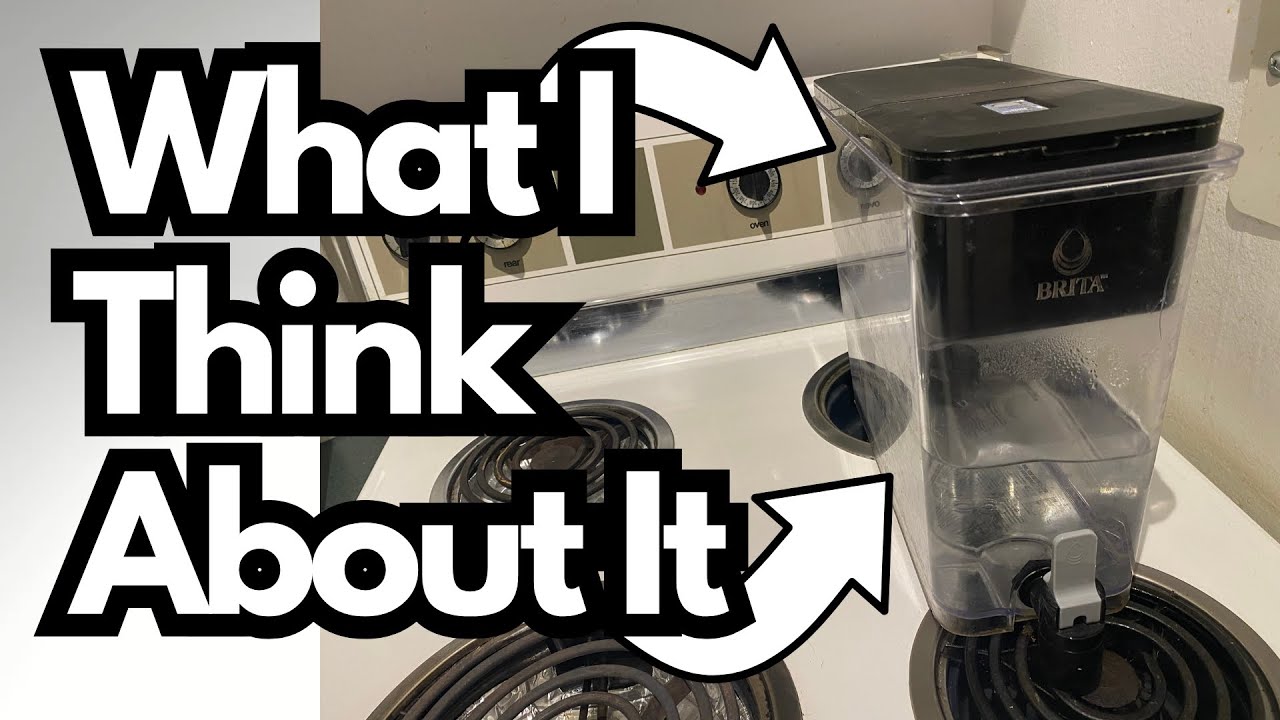
The BR water filter is a large-capacity countertop pitcher that holds around 3 liters of water. It’s designed for daily use: fill it at the sink, let it filter, and keep it in the fridge or on the counter.
A couple of key impressions:
- Good capacity – 3 liters is enough for a day’s worth of drinking water for one person, or to cover cooking, coffee, and tea without constant refills.
- Everyday workhorse – This is the kind of filter you just end up using all the time without thinking about it.
- Not completely “set and forget” – You’ll need to replace the filter and clean the pitcher regularly to keep it performing well.
Build Quality & Design
The design is pretty straightforward:
- 3L pitcher body – Clear plastic so you can see how much water you have left.
- Removable lid – Covers the top and gives access for filling and filter replacement.
- Filter compartment – The filter sits in a dedicated housing you can access from the top.
A couple of practical notes from everyday use:
- The lid can be finicky – Getting the lid back on can be slightly annoying, especially one‑handed. It’s not a dealbreaker, but it’s not a “glides on effortlessly” design either.
- Needs regular cleaning – Like any water pitcher, it will build up residue over time. Plan on taking it apart and giving it a thorough clean periodically.
Overall, it feels like a typical consumer-grade water pitcher: functional and sturdy enough for daily use, but not indestructible.
Features & Functions
The standout feature on this pitcher is a filter status indicator:
- Filter life indicator – There’s a small indicator that lets you know roughly how much life is left in the filter and when it’s time to replace it. This takes the guesswork out of “Is this thing still doing anything?”
Core functions:
- 3L filtration capacity – Enough for multiple uses before refilling.
- Replaceable filter cartridges – You swap out the filter when the indicator says it’s time.
- Top access for filter replacement – The filter is easy enough to reach from the top once the lid is off.
What It Filters (and Why That Matters)
The main reason to pick up a pitcher like this is to reduce unwanted substances in your tap water.
Based on how it’s being used and described:
- It’s intended to help reduce estrogenic compounds (such as certain hormone-like contaminants) in the water.
- It’s also aimed at filtering out metals and other common tap-water contaminants.
Important note: different filters have different certified capabilities. To really know what this specific BR filter handles (and to what degree), you’d want to check the manufacturer’s specs or any NSF/independent testing claims. But the goal here is clearly:
- Less hormone‑like contamination
- Less metal content
- Better-tasting, cleaner water overall
If you’re someone who’s specifically worried about endocrine disruptors or metals in your water, this kind of pitcher is a simple step in the right direction.
How It Fits Into Daily Use
In practice, this is how it tends to be used:
- Primary drinking water source – It becomes “the way” you drink water at home.
- Multi-purpose use – Great for filling water bottles, making coffee or tea, cooking, and mixing with powdered drinks.
- Always on the counter or in the fridge – You fill it, let it drip through the filter, and pour from it throughout the day.
From a lifestyle perspective, the benefit is straightforward: you get peace of mind that your everyday water is at least being filtered for some of the stuff you don’t want, without installing an under-sink system.
Limitations / Things to Know
A few practical caveats:
- Lid fit can be annoying – Getting the lid lined up and snapped on, especially with one hand, can be a bit of a hassle. Not a huge problem, but something you’ll notice.
- Maintenance is required
- The pitcher needs regular cleaning—inside the reservoir, around the filter area, and under the lid.
- Filters must be replaced on schedule according to the indicator or the manufacturer’s recommended time frame.
- Not a total purification system – While it may help reduce estrogenic compounds and metals, it’s not a full reverse-osmosis or lab-grade solution. If your water has serious contamination issues, you’d want something more robust.
Final Thoughts
The BR water filter pitcher is a solid everyday option if:
- You want cleaner, better-tasting water without installing a complex system.
- You’re especially concerned about hormone-like contaminants and metals in your tap water.
- You like the convenience of a 3L capacity and a filter life indicator to remind you when it’s time for a change.
It’s not perfect—the lid can be fiddly, and you do need to stay on top of cleaning and filter replacement—but as a daily driver for home hydration, it’s a practical, easy-to-live-with upgrade over unfiltered tap water.
Resources
To get the most out of a pitcher like this:
- Check the official BR documentation or website for:
- Exact contaminant reduction claims
- Filter replacement intervals
- Any certifications (e.g., NSF/ANSI standards)
- Look up your local water quality report to see what’s actually in your tap water and decide if this level of filtration meets your needs.