

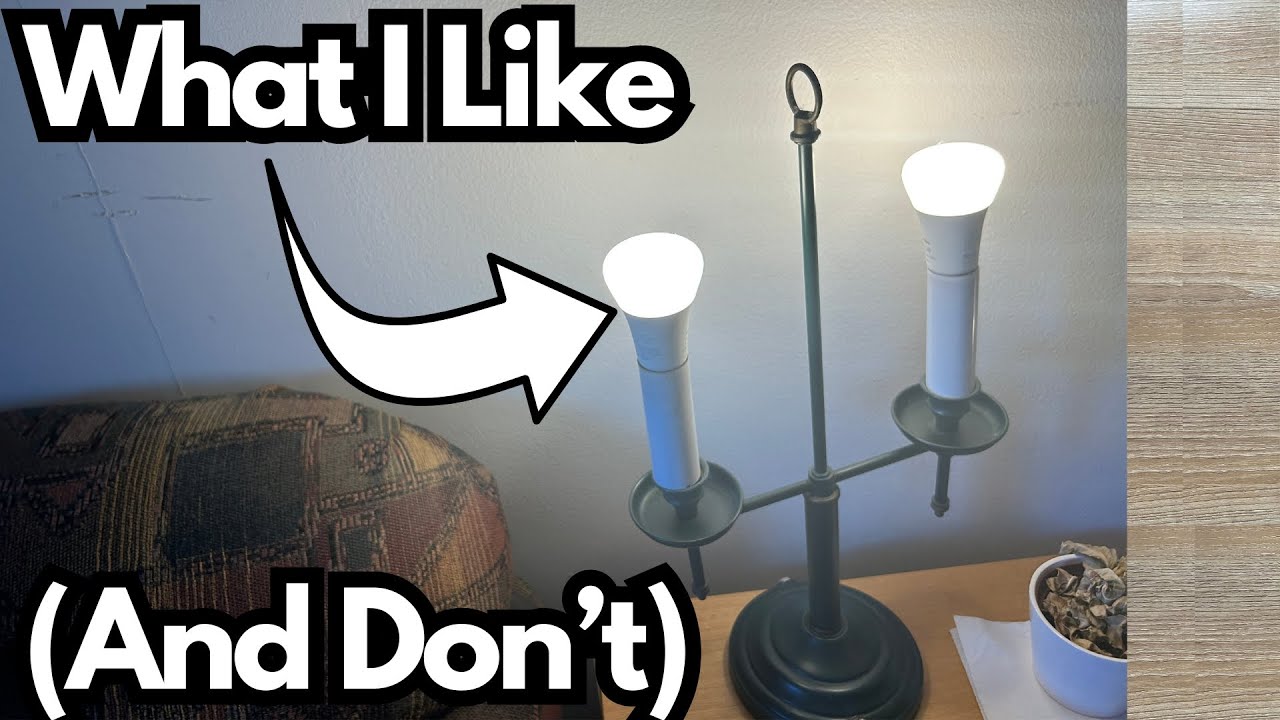
If you’re trying to turn a plain room into a vibe—whether it’s a practice space, studio corner, or living room—smart LEDs can make a massive difference.
The Philips Hue multicolor bulbs are one of the most popular options out there, and for good reason: they’re easy to use, rock-solid reliable, and surprisingly flexible. You can grab them here on Amazon.
This post walks through what they’re like to live with after extended use, from setup and control to everyday performance.
Overview / First Impressions
Philips Hue multicolor LEDs are smart light bulbs you control from an app on your phone or tablet. Once they’re set up, you can:
- Change colors instantly
- Switch between preset “scenes”
- Adjust brightness
- Create different moods for different areas of your home or studio
In practice, they feel less like regular bulbs and more like a lighting instrument you can “play” depending on what you’re doing—watching TV, practicing guitar, recording, or just relaxing.
The standout impression: they just work. No weird disconnects, no random glitches, and no fuss once they’re installed.
Build Quality & Design
The transcript this is based on doesn’t go into physical construction details, but the real story with Hue bulbs is in their longevity and consistency:
- Long-term reliability: Used daily for over a year with no failures or noticeable issues.
- No flicker or dropouts: The bulbs don’t cut out, don’t act strange, and don’t randomly lose connection.
From a guitarist’s or home-studio perspective, that’s huge. The last thing you want when you’re in a creative flow is your lighting setup glitching out or needing to be reset.
Features & Functions
The Philips Hue multicolor LEDs are all about flexibility and control.
App Control
Using the Philips Hue app, you can:
- Change colors on the fly
- Select from built-in presets (called “scenes”)
- Control multiple bulbs individually or as groups
In the example setup:
- One bulb is set to a blue preset for watching TV
- Another bulb cycles through changing colors
- Several bulbs are assigned to different named scenes like Honolulu, Love Birds, and Tokyo
Each scene has its own color palette and mood, so you can quickly switch your entire room’s vibe with a single tap.
Presets & Scenes
The presets are where Hue really shines:
- Honolulu – often a warmer, tropical palette
- Love Birds – softer, romantic tones
- Tokyo – usually more neon, modern, and vibrant
These scenes are great for quickly dialing in a mood without manually tweaking colors every time.
How It Feels to Use (For Guitarists & Creators)
These are lights—not pedals or amps—but they still matter for how your space feels when you play or create.
Here are some practical ways they fit into a guitarist’s or creator’s life:
- Practice sessions: Set a calm, warm scene to help you focus on technique or learning songs.
- Recording & streaming: Use bold, saturated colors or dynamic color-changing modes behind you to make your video or stream look more professional and engaging.
- Late-night jams: Dim the lights and use softer colors to keep the vibe relaxed without straining your eyes.
- Movie & gaming nights: That blue preset for TV viewing is a simple but effective way to match the light to the screen and reduce harsh white light in a dark room.
Even in a brighter room, the colors show up well, but the effect is much more dramatic in low light—perfect for moody ambient jams or late-night creativity.
Limitations / Things to Know
A few practical notes to keep expectations realistic:
- Best in darker environments: The color effects are more pronounced when the room is dim or dark. In bright daylight, the mood lighting is more subtle.
- App-based control is essential: To get the most out of these bulbs—scenes, color changes, and fine-tuned control—you’ll be living in the app. That’s a plus if you like tech, but it’s something to be aware of.
Beyond that, the experience described is overwhelmingly positive: no reliability complaints, no weird behavior, and no noticeable performance issues over time.
Final Thoughts
Philips Hue multicolor LEDs are a fantastic choice if you want:
- Reliable smart lighting that doesn’t glitch
- Quick access to different moods and colors via presets
- A way to transform your practice space, studio, or living room with minimal effort
After more than a year of daily use, they’ve proven to be stable, flexible, and genuinely enjoyable. If you’re building out a creative space—or just want your room to look as good as your tone sounds—Hue is an easy recommendation.
Resources
- Philips Hue app & ecosystem: Explore the official Philips Hue app on iOS or Android to see available scenes, automation options, and how many bulbs or rooms you can control.
- Starter kits & bulb packs: If you’re just getting into smart lighting, look for Philips Hue starter kits that include a few bulbs and the necessary hub (if required for your region and model).