

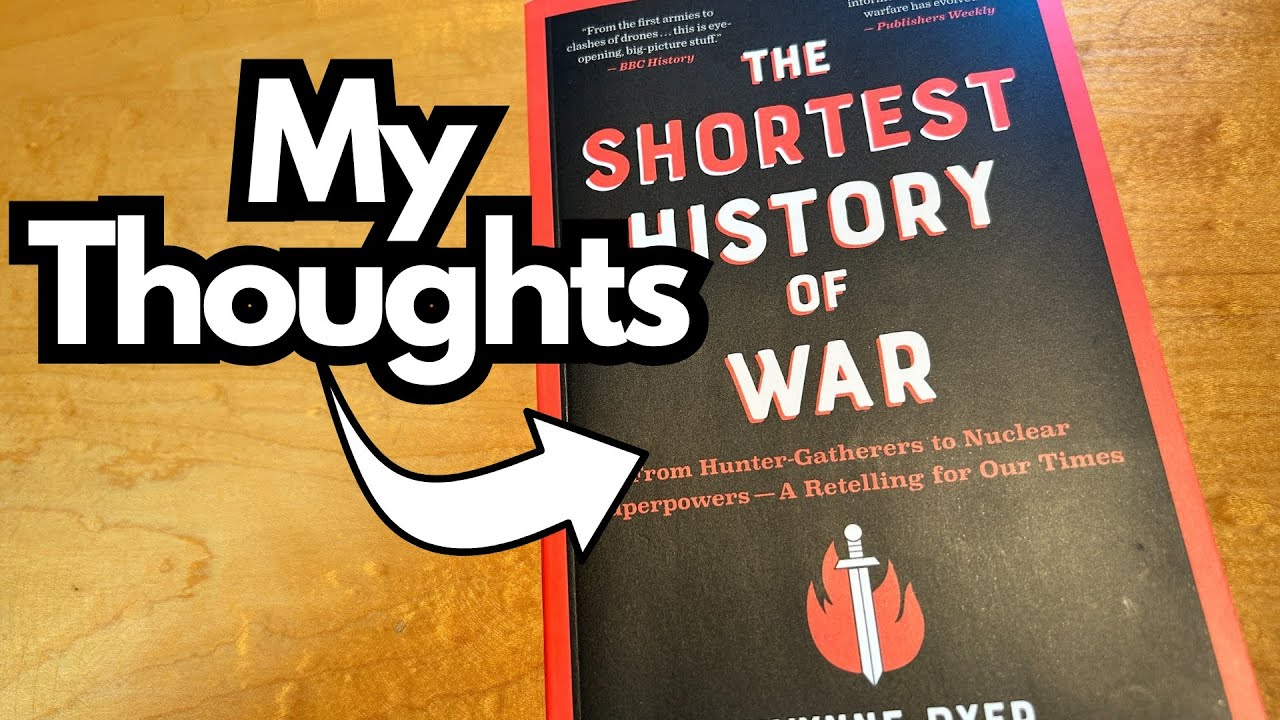
At first glance, a book on military history might seem like a niche read, but strategy, structure, and long-term planning are concepts that appeal to a lot of people — whether you’re into personal development, business, or just understanding how major decisions shape the world.
The book featured here is a deeply researched overview of warfare throughout history, complete with diagrams and illustrations that break down tactics and battle formations. Even if you’re not a history buff, the clarity and depth of the material make it surprisingly engaging.
Overview / First Impressions
This is a serious, well-organized book on the history of war, focusing on:
- Battalion-level organization
- Battlefield tactics
- Large-scale military strategy
- The evolution of warfare from ancient times to the modern era
The content is dense, but not in a way that feels inaccessible. The illustrations and diagrams help make complex ideas easier to follow, especially for visual learners.
If you’re someone who likes understanding the reasoning behind decisions or the structure behind complex systems, you’ll probably appreciate how clearly the book breaks down historical battles and long-term campaigns.
Features & Focus
This book is very clear about what it covers — and what it doesn’t.
What it focuses on:
- Military strategy across recorded history
- Tactical decision-making on the battlefield
- How battalions and larger forces are structured and deployed
- The development of strategic thinking over centuries
What it does not focus on:
- Sociological aspects of war
- Cultural or political impacts
- Personal, memoir-style storytelling
This is very much a “mechanics of warfare” book: direct, analytical, and strategy-driven.
Why It’s Interesting (Use Cases & Takeaways)
Even if you’re not deeply invested in military history, there are some surprisingly universal takeaways here:
- Strategic thinking
Understanding how leaders approach long-term planning can be valuable in many areas of life — goal setting, project management, or just structuring your priorities. - Systems and organization
Seeing how different units function together on the battlefield offers insight into how complex systems operate efficiently. - Evolution of ideas
The way strategy transforms over time is a reminder that no system — military, social, or technological — stays the same forever.
For anyone who likes structured thinking, big-picture planning, or understanding how decisions ripple outward, the concepts here are genuinely compelling.
Limitations / Things to Know
Before picking it up, it’s helpful to know exactly what to expect:
- Very strategy-focused
This is not a book about the emotional or cultural side of war — it is strictly about tactics and planning. - Can be dense
The detail is impressive, but it means you’ll want to read it when you can actually focus. - Niche appeal
If you’re not at least somewhat interested in strategy or history, this book may feel too specialized.
Final Thoughts
This book offers a clear, well-illustrated, and deeply researched look at military strategy throughout history. While it’s certainly not light reading, it’s a rewarding one for anyone who enjoys structured analysis, complex systems, or the logic behind major historical decisions.
It focuses less on the human stories of war and more on the strategic “chess game” behind it. Approached with that expectation, it’s a fascinating and surprisingly engaging book for readers who enjoy big-picture thinking.