

If you play guitar long enough, you eventually hit that point: the action feels off, a fret is buzzing, or your new hollow body just doesn’t feel “right” – and you’re tired of guessing.
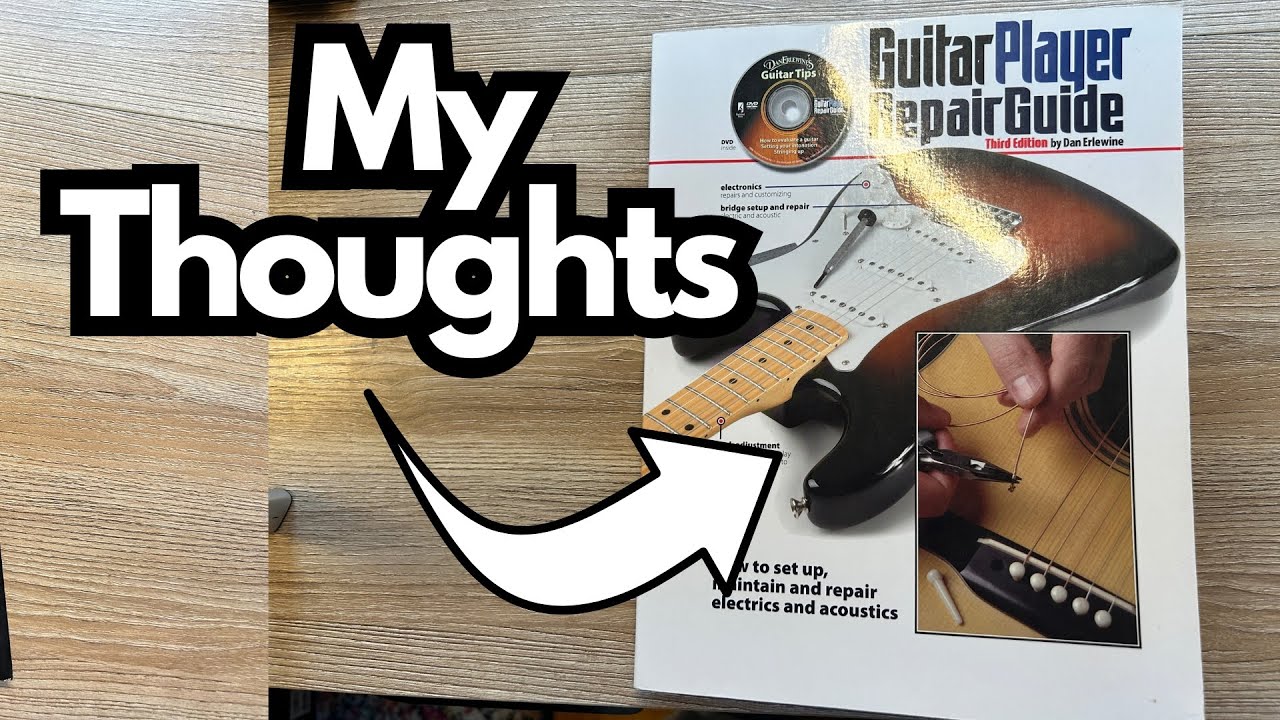
That’s where The Guitar Player Repair Guide by Dan Erlewine – which you can get here on Amazon – really earns its place on your shelf (and your workbench).
This book is aimed at guitarists who want to understand their instruments better, do their own setups, and tackle repairs with confidence instead of fear.
Whether you’re a curious beginner, a DIY tinkerer, or a more advanced player wanting to go deeper into the mechanics of your gear, this guide is worth a serious look.
Overview / First Impressions
The Guitar Player Repair Guide is one of those books that quietly becomes essential. It’s not flashy, but it’s packed with practical information.
- It covers a wide range of guitar types: not just solid-body electrics, but also hollow bodies and other styles.
- The content ranges from basic setup and maintenance to more in-depth explanations of why guitars behave the way they do.
- It’s written with the working guitarist in mind: clear, direct, and focused on real-world problems.
If you’ve ever thought, “I wish someone would just explain this stuff properly,” this is that book.
How Easy It Is to Use The Book
From a usability standpoint, the book is well thought out:
- Organized Table of Contents – It’s easy to jump straight to what you need: action, intonation, neck relief, electronics, and more.
- Helpful Diagrams and Illustrations – Setup steps and repair concepts are supported with clear pictures and drawings, which is crucial when you’re adjusting something as sensitive as a truss rod or bridge.
- Logical Layout – The material is structured so you can either read through sections to really learn, or just dip in quickly when you’re in the middle of a setup.
As a physical reference, it works very well at the workbench: flip it open, find the diagram, follow along.
Features & Functions: What the Book Actually Covers
While this isn’t an exhaustive list, here’s the kind of territory The Guitar Player Repair Guide walks you through:
Basic Setup Procedures
- Adjusting neck relief
- Setting action and string height
- Intonating your guitar
- Adjusting nut slots and bridge saddles
Pickup & Electronics Work
- Pickup height and balance
- Basic wiring concepts and troubleshooting
- Understanding signal flow
Hardware & Structural Issues
- Tuning machine replacement
- Bridge and tailpiece adjustments
- Basic fret work concepts (buzzes, uneven frets, etc.)
Different Guitar Types
- Solid-body electrics
- Hollow and semi-hollow bodies
- Other common variations and how their construction affects setup
One of the real strengths of the book is that it doesn’t just say what to do – it often explains why a certain adjustment works, which helps you make better decisions when you run into something unusual.
How It Helps Guitarists in the Real World
From a guitarist’s perspective, this book is like having a more experienced tech looking over your shoulder, explaining things as you go.
Some practical use cases:
- Dialing in your favorite guitar – Learn how to tweak relief, action, and intonation so your instrument feels and sounds right for your playing style.
- Understanding new guitars – When you pick up a hollow body or a different style of guitar, the book helps you understand how its construction changes the setup process.
- Saving on basic repairs – You don’t have to run to a tech for every small issue. With some patience, you can handle a lot of the routine work yourself.
- Becoming a more informed player – Even if you still take your guitar to a professional, knowing the terminology and concepts helps you communicate what you want.
It’s especially valuable if you’re the type of player who likes to experiment with string gauges, tunings, or different setups – the book gives you enough grounding to do that safely and effectively.
Limitations / Things to Know
As solid as this book is, there are a couple of things worth noting:
- It’s text and image based only (and a scarce amount of images).
The biggest criticism: this content would be incredible as a full online video course. Many of the processes (like fret work, nut shaping, or detailed setup steps) are easier to grasp when you can watch someone do them. The diagrams help, but some learners will wish there were companion video tutorials. - Learning curve for complete beginners
While the explanations are clear, some of the more advanced sections may feel intense if you’re totally new to guitar mechanics. That said, you can easily start with the basics and grow into the rest over time.
Despite these minor drawbacks, as a reference book it’s excellent. Think of it as your foundation; you can always supplement it with videos and online resources.
Final Thoughts
The Guitar Player Repair Guide by Dan Erlewine is a solid, highly practical resource for any guitarist who wants to understand – and take control of – their instrument’s playability.
- It’s broad enough to cover multiple guitar types.
- It’s deep enough to explain not just how, but why.
- It’s organized well enough to use on the fly during real repairs and setups.
If you’re serious about guitar – whether you’re a hobbyist or a gigging player – having this on your shelf will save you time, money, and frustration, and it will make you a more confident, informed musician.
Resources & Further Study
If you’re looking to pair your technical guitar knowledge with better fretboard understanding and musical fluency, here are a couple of useful resources mentioned:
Fretboard Memorization Cheat Sheet – Available here.
This focuses on major and minor triads in every key, using the “op of mapping” approach and other techniques. It’s designed to help you:
- Memorize the notes on the fretboard
- Understand triads as the foundation of chords and harmony
- Improvise more confidently in multiple keys
Guitar & Music Forum – You can join the community here.
It’s a place to talk about guitar, music, gear, and related topics with other players.
Used together, a solid repair guide plus focused fretboard and theory tools can help you not only maintain your guitar but also get much more music out of it.