

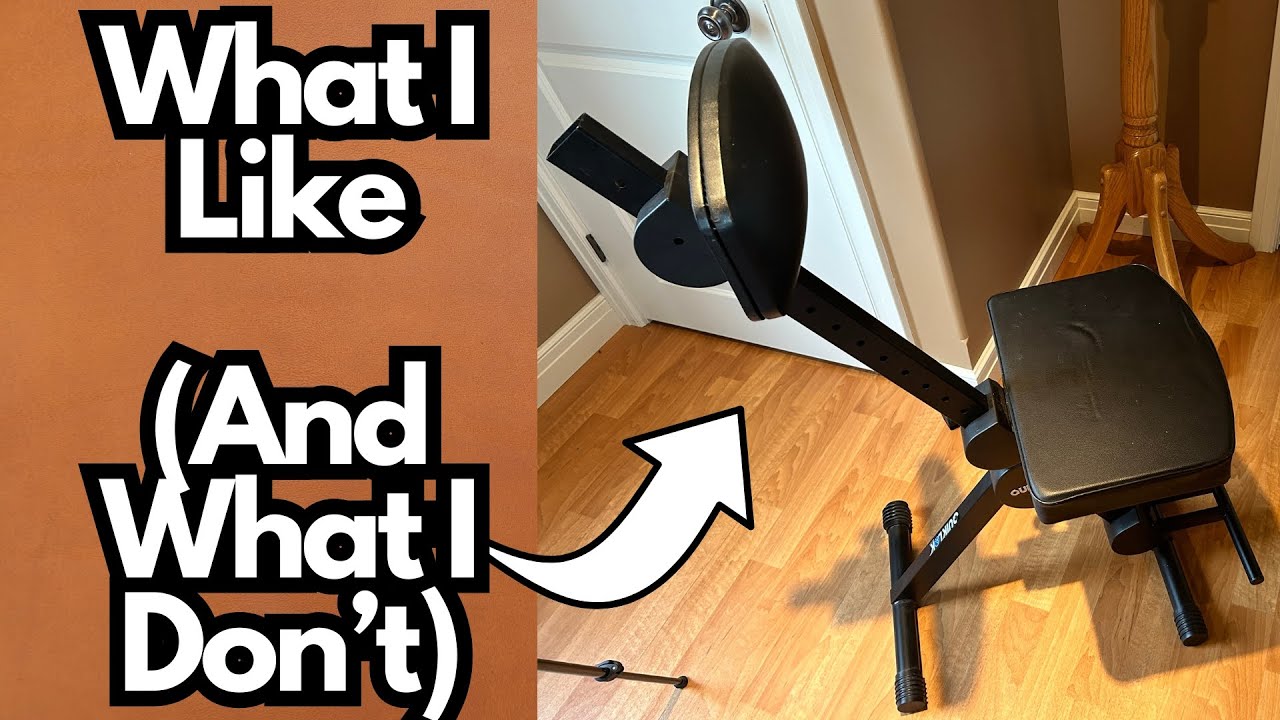
Finding the right chair for guitar practice or recording is more important than most players realize. The wrong seat can mess with your posture, strain your back, or dig into your picking arm. The right one quietly disappears and lets you focus on playing.
This particular guitar-friendly chair is designed with players in mind—especially those who spend long hours recording or practicing, or who play larger-bodied instruments like dreadnought acoustics, jumbo guitars, or semi-hollow electrics.
Below is a breakdown of how it holds up in real-world use.
Overview / First Impressions
The standout idea behind this chair is simple: stay out of the guitarist’s way.
- No armrests to interfere with your picking or strumming.
- A built-in footrest to help position the guitar comfortably.
- A folding design so it doesn’t dominate your room or studio when not in use.
It’s not overloaded with bells and whistles. Instead, it aims to solve a specific problem: giving guitarists a comfortable, practical seat that works with the instrument instead of against it.
Build Quality & Design
From a design standpoint, the chair is pretty straightforward:
- No armrests – This is a big deal. Traditional office or lounge chairs almost always have armrests that bump into the guitar body or restrict your picking arm. With this chair, you can sit down with your guitar—electric or acoustic—and nothing is pushing the instrument out of position.
- Compact and foldable – The top portion of the chair can be removed, and the frame folds up. Once folded, it tucks easily into a corner, which is ideal if you’re working in a small studio, bedroom, or shared space.
- Stable platform – While not heavily discussed, the overall impression is that it’s solid and functional rather than flimsy or wobbly.
The design is clearly more “practical studio tool” than “fancy furniture”—and that’s a good thing for most players.
Features & Functions
1. No Armrests
This is the main feature and arguably the most important for guitarists. Without armrests:
- Your picking arm can move freely.
- The guitar body can sit naturally against you.
- You avoid the constant annoyance of bumping into chair arms while you play.
If you’ve ever tried to record serious takes in a typical office chair, you’ll immediately appreciate this.
2. Built-In Footrest
The chair includes a footrest bar, which is more useful than it might sound at first:
- You can raise one leg to bring the guitar a bit closer to your body.
- It helps if you like a more classical-style position or simply want the neck angled slightly upward.
- It’s especially handy for players who like to hold the guitar tighter to the torso for better control and comfort.
The footrest itself is height-adjustable, which gives you some flexibility in how you sit.
3. Foldable Construction
The chair can be:
- Partially disassembled (the top comes off).
- Folded up into a slimmer profile.
That means:
- It’s easy to stash in a corner when you’re not using it.
- It’s convenient for small home studios or multipurpose rooms.
- It’s reasonably portable if you need to move it between spaces.
How It Affects Your Playing (Use Cases)
Obviously, a chair doesn’t “sound,” but it has a big impact on how you sound—because it affects your posture, comfort, and consistency.
This chair is especially suited for:
- Recording sessions – Long takes, repeated sections, and focused practice are easier when you’re not fighting your chair.
- Large-bodied instruments – If you play a dreadnought, jumbo, or big semi-hollow, the lack of armrests and the footrest help you position the guitar comfortably without twisting your body.
- Serious practice routines – Working on technique, fretboard memorization, or improvisation is much easier when your body is relaxed and well-supported.
If you’re the type of player who likes to hold the guitar close to your body, this setup works particularly well. The footrest lets you bring the instrument into a more controlled, ergonomic position.
Limitations / Things to Know
The chair isn’t perfect, and there’s one significant drawback.
Seat Height Limit
The main criticism is that the seat doesn’t go low enough.
- The footrest can be dropped down another level.
- But the main seat height is not adjustable beyond its current lowest setting.
For some players—especially those who prefer sitting lower to the ground, have shorter legs, or like a more relaxed, low-slung posture—this might be an issue. You may feel like you’re sitting a bit higher than ideal.
If seat height is critical for your playing comfort, this is something to keep in mind before committing.
Final Thoughts
This guitar-focused chair is a solid choice for serious players, especially if:
- You record regularly.
- You play large-bodied guitars.
- You’re tired of armrests and awkward seating positions getting in the way.
Its strengths are clear:
- No armrests to interfere with your playing.
- A useful footrest that supports better guitar positioning.
- A foldable design that’s easy to store.
Its main weakness is equally clear: the seat doesn’t go quite low enough for some players, and you can’t adjust it down beyond its built-in range.
Nothing is perfect, but if you value a functional, guitar-friendly seating solution over a flashy chair with features you don’t need, this one is definitely worth considering.
Resources & Further Study
If you’re using this chair as part of a serious practice or recording setup, you might also find these learning tools useful:
- Fretboard Memorization Cheat Sheet – Available at travelingguitarist.com, this cheat sheet maps out major and minor triads in every key using approaches like octave mapping. It’s designed to help you:
- Memorize the notes on the fretboard.
- Understand the triads that form the foundation of harmony.
- Start improvising more confidently in multiple keys.
- Traveling Guitarist Forum – At forum.travelingguitarist.com, you can:
- Talk with other players about guitar, music, and related topics.
- Share practice ideas and gear experiences.
- Get feedback and motivation from a community of musicians.
Pair a comfortable, guitar-friendly chair with smart practice resources, and you’ve got a much better environment for actually improving your playing.