

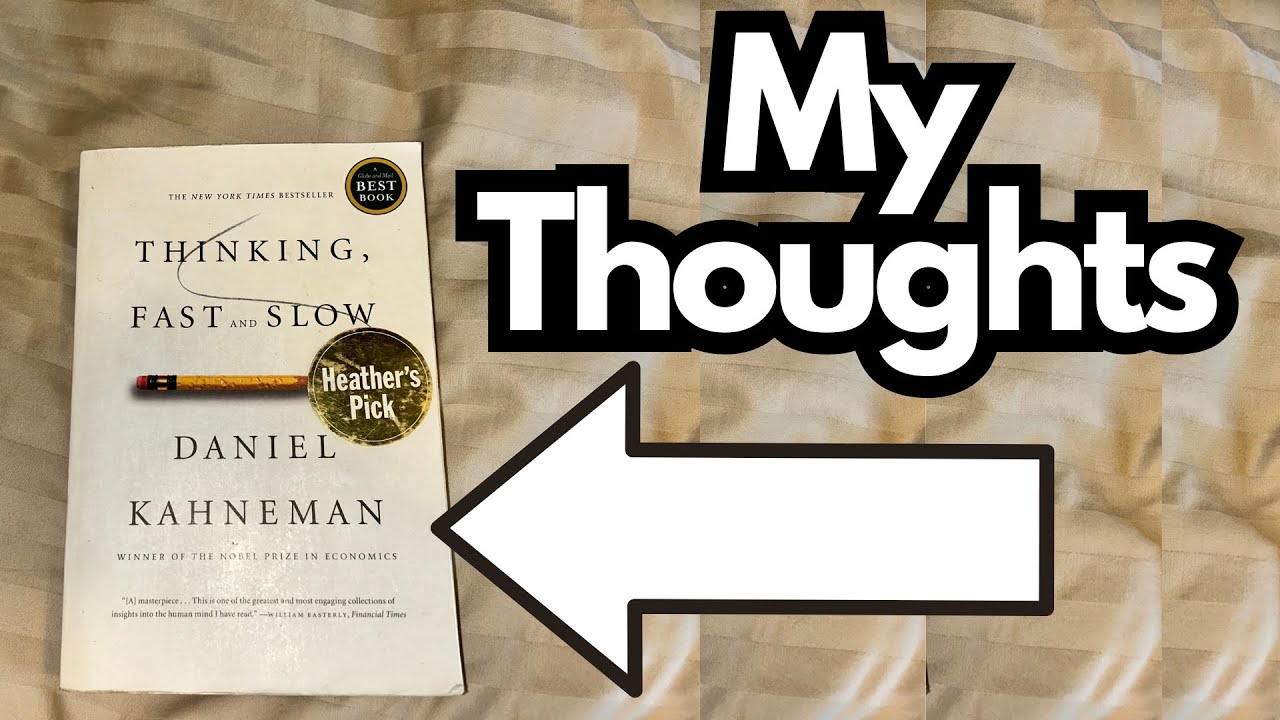
Some books age gracefully. Others get left behind by new data, new thinking, or better follow-ups from the same author. This post is about one of those older titles that still has some value, even if it’s showing its age—and how it compares to the author’s newer book, Noise.
You can grab it here on Amazon if you’re interested.
If you’re into decision-making, statistics, or just trying to understand the world a bit more clearly, this will help you decide which one is worth your time.
Overview / First Impressions
The older book in question is, by the author’s own track record, the stronger work. Yes, some of the statistics in it are likely out of date now, and there may be a revised edition available, but it still offers interesting ideas and memorable insights.
- The original book is engaging and enjoyable to read.
- It contains “cool stuff” – concepts and examples that stick with you.
- Despite age-related issues (like outdated stats), it still feels worthwhile.
By contrast, the newer book, Noise, lands with a thud:
- It’s less engaging.
- It’s harder to finish—so much so that it might end up abandoned halfway.
- It feels like a step down rather than an evolution.
If you’re choosing between the two, the older book is the better bet.
Build Quality & Design
Physically, this is a well-loved, well-used book:
- It’s been carried around enough to get a bit wet.
- There’s even still a gift card tucked inside—proof it’s been opened and revisited.
In other words, this isn’t a pristine, untouched shelf trophy. It’s a practical reading tool that’s actually been lived with, which says something about its readability and usefulness.
Content & Focus
The Older Book
Even if the statistics are no longer perfectly current, the core ideas still matter:
- It deals with a topic where data and probabilities play a big role.
- The conceptual framework is more important than the exact numbers.
- It offers clear, accessible explanations that help you “get” the subject, not just memorize figures.
This makes it valuable as an introduction or as a way to sharpen your thinking, even if you later supplement it with newer research.
The Newer Book: Noise
Noise is positioned as a more modern, perhaps more ambitious work, but in practice:
- It’s less enjoyable to read.
- It can feel like a slog rather than a page-turner.
- The payoff doesn’t justify the effort for some readers.
If you’re time-conscious and want the most insight per page, this newer book is likely to disappoint.
Who This Is For
You’ll probably get value from the older book if:
- You’re curious about decision-making, statistics, or cognitive topics.
- You want something accessible rather than hyper-technical.
- You don’t mind that some of the numerical details may be outdated, as long as the ideas are strong.
You might want to skip Noise if:
- You prefer concise, tightly written explanations.
- You don’t enjoy slogging through dense or repetitive content.
- You’re looking for something you can actually finish and remember.
Limitations / Things to Know
Before you dive in, keep these caveats in mind about the older book:
- Outdated statistics: The data and some empirical claims may no longer reflect the latest research or real-world numbers.
- Possibly replaced by a new edition: There may be a more recent version that updates the stats while keeping the core ideas.
- Not a “final word” book: Treat it as a strong starting point or a conceptual guide, not the ultimate reference.
As for Noise:
- It may not be worth your time unless you’re a completist or specifically researching that topic.
- Even the reviewer didn’t finish it, which says a lot about its readability and impact.
Final Thoughts
If you’re choosing between the author’s older work and Noise, go with the older book.
Despite being dated in places, it’s:
- More engaging
- More readable
- More likely to leave you with useful, memorable ideas
Noise, on the other hand, feels like a misfire—ambitious, perhaps, but not compelling enough to see through to the end.
If you care about insight and enjoyment, the “out-of-date” book is still the better book.