

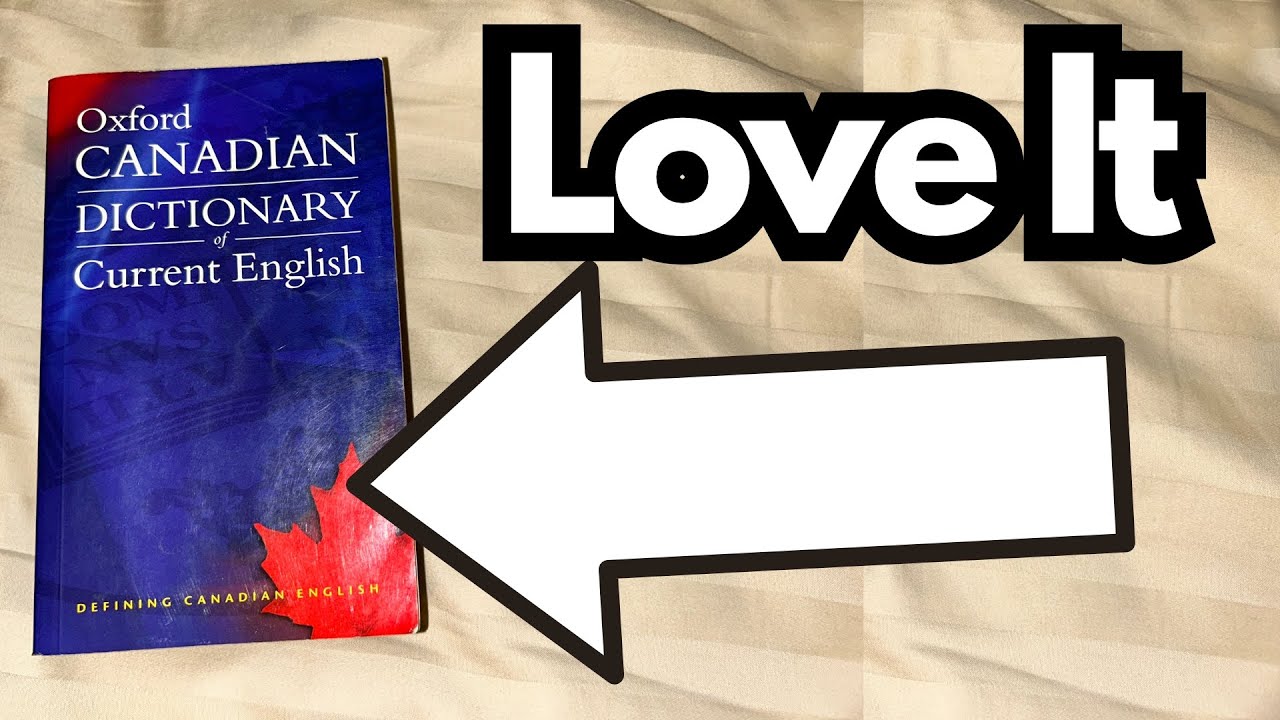
In a world where you can look up almost anything on your phone in seconds, a physical dictionary feels like a relic from another era. Yet many of us still have one sitting on a shelf, maybe from school days or a language class, gathering dust.
You can grab one on here on Amazon if you’re interested.
This post is a quick reflection on whether a traditional dictionary still has a place in everyday life now that Google and online tools are so accessible.
Overview / First Impressions
The classic paper dictionary used to be an essential tool for students, writers, and anyone learning a new language. If you wanted to check a spelling, confirm a definition, or translate a word, you reached for the book.
Today, most people instinctively reach for their phone or laptop instead. Type a word into Google, and you instantly get:
- Definitions
- Pronunciations
- Example sentences
- Translations
- Synonyms and related terms
For most casual users, that speed and convenience makes a physical dictionary feel unnecessary.
Build Quality & Design (Physical vs Digital)
A traditional dictionary is:
- Physical: A thick, often heavy book that takes up space.
- Durable: It doesn’t run out of battery or require Wi‑Fi.
- Linear: You flip pages and scan entries; there’s no search bar.
By contrast, digital dictionaries and search engines are:
- Instant: Search is nearly immediate.
- Portable: Your phone goes everywhere with you.
- Dynamic: Definitions and usage examples are updated over time.
From a purely practical standpoint, the design of digital tools is better suited to how we live and work now.
Features & Functions: What a Dictionary Used to Do
A physical dictionary traditionally offered:
- Definitions and usage of words
- Pronunciation guides (often with phonetic symbols)
- Etymology (word origins)
- Multiple meanings and nuances of a word
Online tools now do all of this, usually faster and with more context. You can also:
- Hear audio pronunciations
- See translations in multiple languages instantly
- Get real-world usage examples from modern texts and media
The core function—understanding words—is better served by digital tools for most people.
How It’s Actually Used Today
Many people who still own a physical dictionary don’t really use it anymore. It might have been:
- Bought for a school requirement
- Picked up for a language class (like French)
- Kept out of habit or nostalgia
In practice, when they need to look something up now, they usually:
- Open a browser
- Type the word into Google
- Get the answer in seconds
So while the dictionary might still be on the shelf, the real work is done online.
Limitations / Things to Know
Physical dictionaries:
- Can be outdated as language evolves
- Are slower to use than typing into a search bar
- Don’t integrate with other tools (no copy/paste, no links, no audio)
Online lookups:
- Depend on internet access and a device
- Can sometimes give too much information or conflicting sources
- May distract you with unrelated content (notifications, other tabs, etc.)
For most modern use cases, these trade-offs heavily favor digital tools—unless you’re intentionally trying to stay offline or avoid distractions.
Final Thoughts
If you’re wondering whether you “need” a physical dictionary today, the honest answer for most people is: probably not.
- If you’re comfortable using Google and online dictionaries, you already have faster, more powerful tools at your fingertips.
- A physical dictionary now is more about nostalgia, aesthetics, or a deliberate choice to work offline and avoid screens.
That old dictionary from school or a French class might still have sentimental value, but for everyday word lookups, the internet has essentially replaced it.