

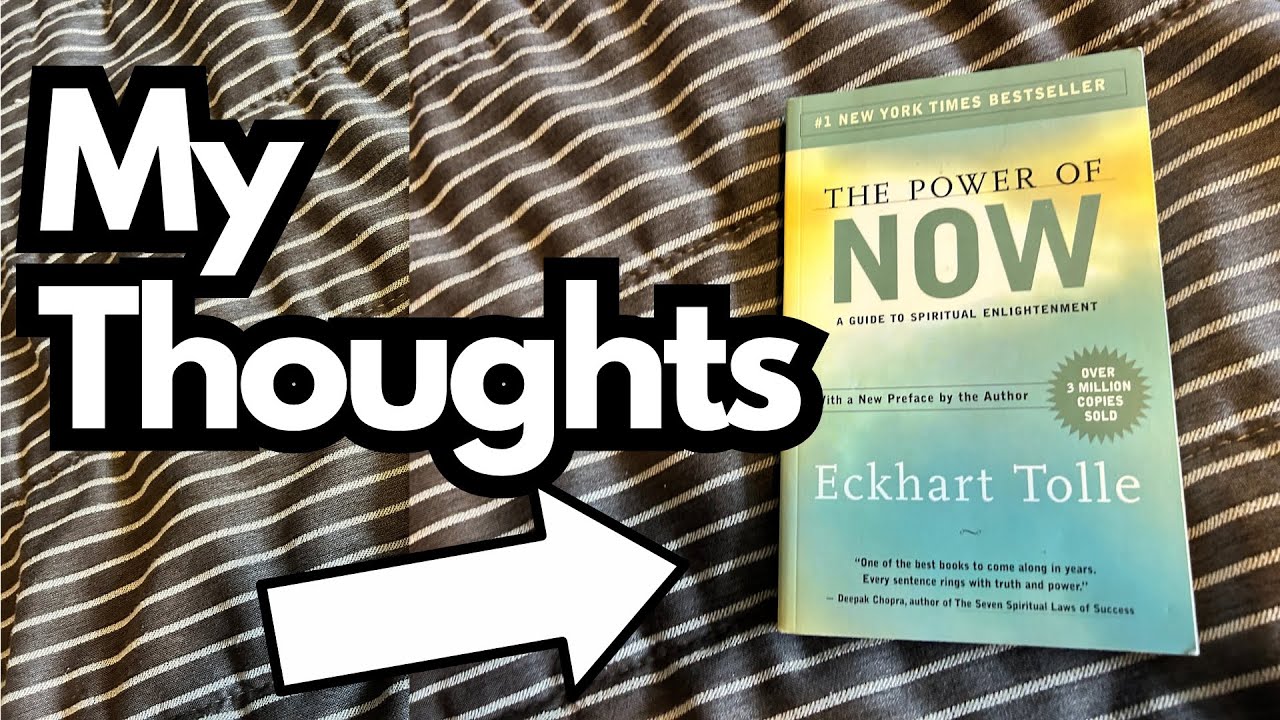
If you’ve ever caught yourself replaying old mistakes or stressing about what’s coming next, The Power of Now by Eckhart Tolle is one of those books that keeps popping up for a reason. It’s a short, very readable guide to something deceptively simple but incredibly hard to practice: being fully present.
This isn’t a dense philosophy textbook. It’s written in plain language, easy to digest, and surprisingly entertaining. It’s the kind of book you can read quickly, but you’ll probably want to revisit because the ideas hit differently each time.
You can grab it here on Amazon if you’re interested.
Overview / First Impressions
The Power of Now is all about learning to live in the present moment instead of being dragged around by your thoughts and emotions.
A few key impressions:
- Very easy to read and understand.
- Short chapters and clear explanations.
- Practical ideas you can actually try in everyday life.
- Deep enough that it rewards multiple readings.
It’s a great entry point if you’re curious about mindfulness, spirituality, or just want a better way to handle stress and overthinking.
Core Ideas & Concepts
1. Only the Present Really Exists
One of the most striking points in the book is Tolle’s take on time:
- The past is an abstraction. It doesn’t exist anywhere except in your mind as memory.
- The future is also an idea—projections, plans, and worries that haven’t actually happened yet.
- The only thing that truly exists is now: this moment, your direct experience.
When you really think about it, both past and future are mental constructs. You can’t step into them. You can only be here, now.
This doesn’t mean you ignore your history or never plan ahead. It means you stop living in those mental stories and start grounding yourself in what’s actually happening.
2. The “Pain-Body”
Tolle introduces the idea of the pain-body: a kind of emotional residue made up of old hurts, trauma, and unresolved negativity.
- It gets “triggered” by certain situations or people.
- When it’s active, you react out of old pain rather than what’s really going on.
- You might overreact, shut down, or spiral emotionally.
The book’s core strategy is to bring awareness to the pain-body when it activates. Instead of automatically acting from it, you notice it, feel it, and let it pass through without feeding it with more thoughts and drama.
How to Practice Presence
The book isn’t just theory—it gives you practical ways to live more in the present:
- Watch your thoughts
Start noticing your mental chatter without getting sucked into it. You’re the one observing the thoughts, not the thoughts themselves. - Feel your body
Pay attention to your breathing, posture, and physical sensations. This anchors you in the present. - Notice emotional reactions
When something stirs you up, pause and observe what you’re feeling: “Oh, this is anger,” or “Here’s anxiety again.” That small bit of distance changes everything. - Return to now, again and again
You’ll drift into past and future constantly—that’s normal. The practice is gently coming back to the present each time.
Who This Book Is For
You’ll probably get the most out of The Power of Now if:
- You overthink a lot or get stuck in regret or worry.
- You’re interested in mindfulness or spirituality but don’t want something overly technical or dogmatic.
- You want a practical way to suffer less and feel more grounded day to day.
- You’re open to looking at your thoughts and emotions in a new way.
Limitations / Things to Know
A few points to keep in mind:
- The book is more spiritual and philosophical than scientific. If you’re looking for hard neuroscience or psychology data, this isn’t that kind of book.
- Some concepts (like the pain-body or the non-existence of time) can sound abstract or “out there” at first. It may take a second read for certain ideas to really click.
- It’s not a replacement for therapy or medical help if you’re dealing with serious mental health issues—but it can be a helpful complement.
Final Thoughts
The Power of Now is short, simple, and surprisingly powerful. It’s one of those rare books that can actually change how you experience everyday life, not by giving you more to think about, but by teaching you how to step out of constant thinking.
If you’re tired of living in your head—stuck in the past, anxious about the future, or just feeling disconnected from your own life—this is absolutely worth reading. It’s easy to consume, but deep enough that you might find yourself coming back to it again and again.