

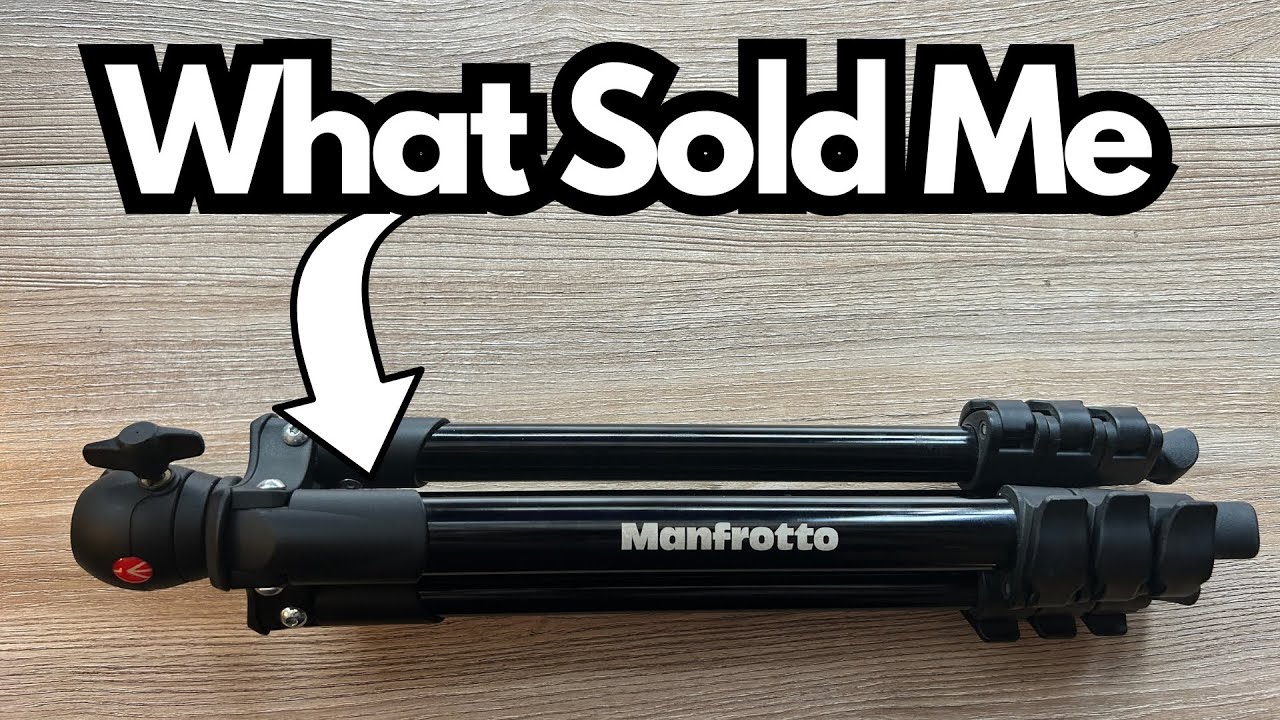
If you shoot guitar videos, lessons, or demos, you know how much a bad stand can ruin your day. Wobbly legs, slipping clamps, cheap plastic joints—one wrong move and your camera (or mic) is on the floor.
After cycling through a few no-name tripod brands and being disappointed every time, I finally bit the bullet and picked up a Manfrotto stand (on Amazon).
Two years later, I only buy Manfrotto.
This post is about why this particular Manfrotto tripod has become my go-to for filming guitar content, and why it might be worth the investment if you’re serious about reliable, hassle-free gear.
Overview / First Impressions
This Manfrotto stand is a straightforward, no-nonsense tripod that does exactly what it’s supposed to do:
- It’s stable.
- It’s easy to adjust.
- It holds your camera where you put it—and keeps it there.
The model I’m using extends up to about 51 inches, which is plenty for most home studio, practice room, or small studio setups. Whether you’re filming a seated guitar lesson, a pedalboard close-up, or a full-body performance shot, this height range covers a lot of ground.
What impressed me most right away was how predictable everything felt. No weird flex in the legs, no slipping joints, no “is this really locked?” anxiety. Just a solid, functional stand.
Build Quality & Design
Manfrotto has a reputation for durability, and this stand lives up to it.
- Solid construction – The legs and joints feel sturdy, not flimsy. Nothing feels like it’s going to snap if you tighten it properly.
- Reliable clamps – The leg locks and adjustment clamps just work. When you flip them, they lock. When you open them, they move smoothly. No half-locking or guessing.
- Compact footprint – When collapsed, the stand packs down nicely for storage or transport. It’s not some huge studio beast that takes up half the room.
For guitarists recording at home or on the road, that combination of stability and portability is a big deal. You can toss it in the car for a gig or session without worrying about babying it.
Features & Functions
Here’s what makes this stand particularly useful in a music and guitar context.
Standard 1/4″-20 Mount
The tripod uses the standard 1/4″-20 thread, which is basically the universal mount for:
- Most DSLR and mirrorless cameras
- Action cameras (with the right adapter)
- Compact cameras
- Many smartphone mounts
- Various audio/video accessories
It works perfectly with my Nikon D7000, and it’s compatible with all the attachments I’ve thrown at it so far. No weird proprietary plates or adapters required.
Adjustable Height
The stand extends up to around 51 inches, but it’s also easy to use at much lower heights. That makes it flexible for:
- Pedalboard shots on the floor
- Amp close-ups
- Seated lesson or practice videos
- Over-the-shoulder angles
You adjust the height using simple flip clamps on the legs—fast and secure.
Ball Head with Perpendicular Angles
The ball head is a big part of why this stand is so useful:
- You can angle your camera completely perpendicular to the ground.
- Perfect for top-down shots of:
- Pedalboards
- Mixing desks
- Notation/tab
- Guitar neck close-ups on a table
The ball head is tightened by a simple control that holds your camera firmly in place once set. No creeping, no sagging.
Weight Balancing & Stability
If you’re using a heavier camera body or lens, you can improve stability by:
- Shortening one leg and lengthening the others
- Adjusting the spread of the legs to counterbalance the weight
In practice, this stand is sturdy enough that you rarely need to fuss with that, but it’s good to know you can fine-tune stability if you’re pushing it with heavier gear or more extreme angles.
Use Cases for Guitarists & Musicians
Obviously, a stand doesn’t actually sound like anything—but it affects how good your sound and video can be.
Here’s where this Manfrotto stand shines for guitar work:
- Pedalboard demos – Use the perpendicular ball head to get clean top-down shots of your pedals and feet. No awkward angles, no drifting camera.
- Lesson content – Set it at medium height for a clear shot of your picking hand, fretting hand, or full upper body while teaching.
- Amp & cab close-ups – Lock in a stable angle on your amp controls or speaker grill for tone comparison videos.
- Overhead desk shots – Perfect for filming tabs, chord diagrams, or gear on a table.
- Home studio documentation – If you’re showing off your studio layout, routing, or guitar collection, the stand gives you consistent framing without fuss.
In short, it lets you focus on playing and explaining instead of constantly readjusting your camera.
Limitations / Things to Know
No piece of gear is perfect, so here are a few realistic notes:
- Price vs. budget brands – It costs more than no-name stands. But after going through cheaper options that disappointed every time, this ended up being a “buy once, cry once” situation.
- Not a heavy-duty cinema rig – While it’s sturdy, it’s not designed for massive cinema cameras or huge rigs. For typical DSLR/mirrorless setups used by guitarists, though, it’s more than enough.
- Some negative reviews exist – You’ll find the occasional bad review online, but in my experience, this particular stand has performed flawlessly for a couple of years.
If you’re using a standard camera setup for guitar content, it’s hard to find a more reliable option in this range.
Final Thoughts
This Manfrotto stand has become my default choice for filming guitar content for one simple reason: it works exactly how it’s supposed to.
- The clamps lock securely.
- The ball head gives you flexible, precise angles.
- The standard 1/4″-20 mount plays nicely with common cameras and accessories.
- The build quality inspires confidence instead of anxiety.
After owning several Manfrotto products now, I’ve come to see the brand as a kind of quality guarantee. Whenever I buy one of their stands, it just works, and keeps working.
If you’re tired of fighting with cheap, unreliable tripods and you record guitar videos even semi-regularly, this is the kind of stand that will quietly make your life a lot easier.
Resources
If you’re looking to improve your guitar recording setup along with your stand, consider exploring:
- Camera mounts and phone holders that use the standard 1/4″-20 thread
- Simple lighting stands or boom arms that can complement a tripod for better video quality
- Basic home studio setups for guitarists (audio interface, mics, stands, and room positioning)
Pairing a solid stand like this Manfrotto with a thoughtful recording setup can dramatically improve the quality and consistency of your guitar content.