

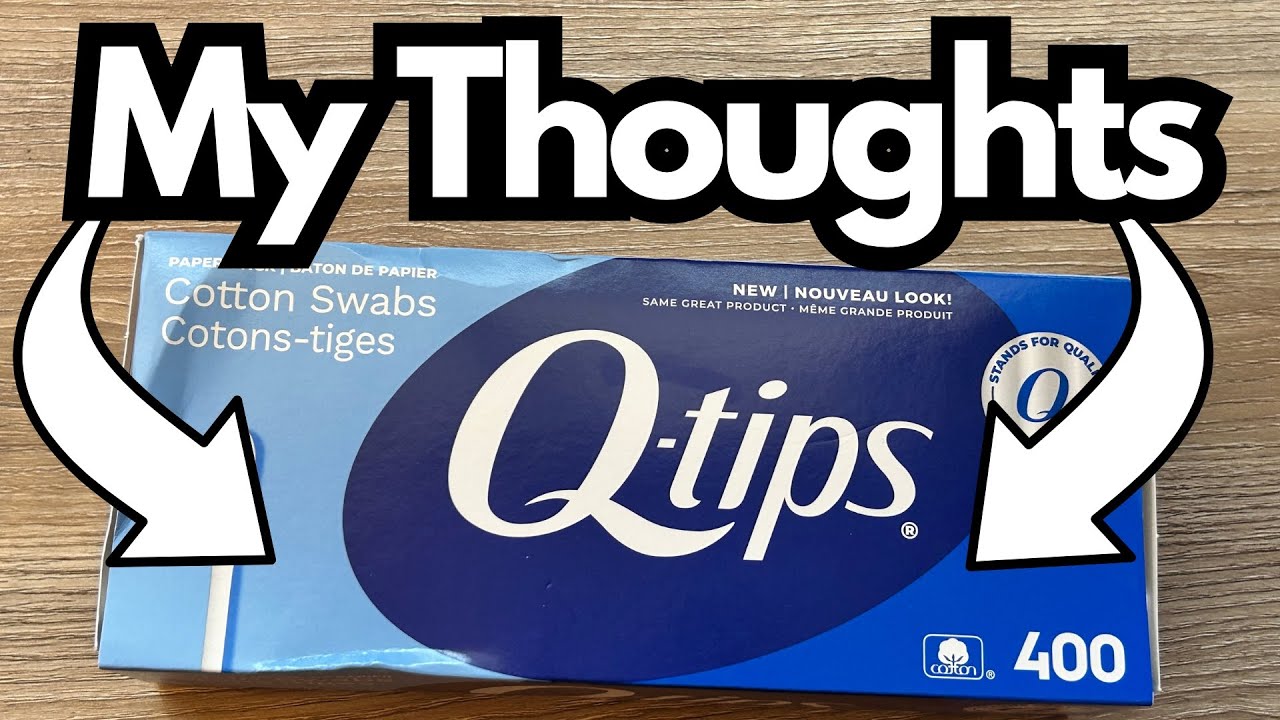
When you just need cotton swabs, it’s easy to grab the cheapest box on the shelf and move on. But after using a bunch of different brands, I’ve found there’s a simple reason I always come back to Q-tips: they actually work the way they’re supposed to.
If you’re tired of flimsy swabs that bend, fold, or fall apart when you use them, it’s worth knowing why Q-tips feel different—and why I think they’re worth the extra couple of dollars.
You can grab some here on Amazon if you’re interested.
Overview / First Impressions
Q-tips are the classic cotton swab most of us grew up with, and there’s a reason they’ve become the default name people use for the product.
The main thing that stands out when you use them is how solid they feel in your hand. They don’t flop around or bend the second you put a bit of pressure on them. That alone makes them more reliable than most of the cheaper alternatives.
Build Quality & Design
The biggest difference between Q-tips and lower-quality swabs is the stiffness of the stick and the density of the cotton:
- Stiffer swab stick – The shaft doesn’t easily bend or snap, which makes them much easier to control.
- Consistent cotton tips – The cotton is tightly wound, so it doesn’t unravel or leave bits behind as easily.
That combination of a firm stick and well-packed cotton is what makes them feel like a quality tool instead of something that’s going to fail if you press just a little too hard.
Features & Functions
Q-tips are simple, but that simplicity is what makes them so reliable:
- Durable construction – They don’t break or fold under normal use.
- Good control – The stiffness gives you precision, whether you’re cleaning, applying, or touching something up.
- Predictable performance – Each swab feels the same from one to the next, which isn’t always true with bargain brands.
You’re not getting bells and whistles here—just a basic item done properly.
How They’re Used
Because they don’t bend easily, Q-tips are especially useful any time you need a bit of pressure or accuracy:
- Cleaning small or delicate areas
- Applying or removing products in tight spaces
- Any task where a flimsy swab would just fold over and frustrate you
With cheaper swabs, you often end up using more of them because they bend, break, or become unusable so quickly. With Q-tips, one or two usually get the job done.
Limitations / Things to Know
A few practical points:
- They cost a bit more – You can definitely find cheaper cotton swabs.
- Not all swabs are equal – Generic alternatives might look similar, but in my experience they’re usually softer, bend more easily, and don’t hold up under pressure.
If all you care about is the lowest price, the budget options might seem more attractive. But if you want something that actually works well and doesn’t annoy you, the difference in quality is noticeable.
Final Thoughts
I only buy Q-tips, and it really comes down to one simple thing: they’re stiffer, stronger, and more reliable than the lower-quality versions.
You can save a little money with off-brand swabs, but to me it’s not worth dealing with something that bends, breaks, or just doesn’t do the job properly. I’d rather pay a bit more and use a product that works every time.
Plain and simple—that’s why I stick with Q-tips.