

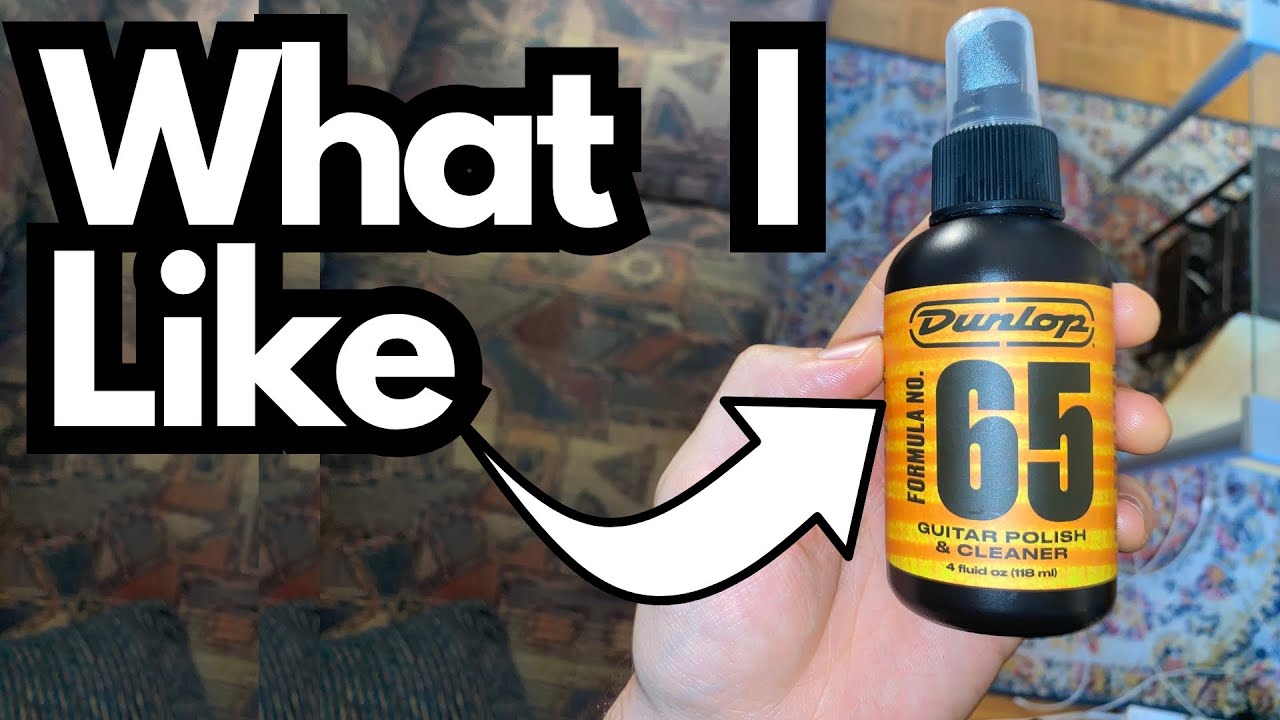
If you play regularly, your guitar is constantly collecting sweat, fingerprints, dust, and general grime. A good polish doesn’t just keep it looking sharp—it helps preserve the finish and makes the instrument feel better under your hands.
Dunlop 65 Guitar Polish is one of those no-nonsense products that many players end up using for years without thinking twice. It’s affordable, easy to use, and does exactly what you want: cleans your guitar quickly and safely. You can grab some on Amazon if you’re interested.
Below is a practical look at how it works, how to use it, and a few tips from long-term use.
Overview / First Impressions
Dunlop 65 is a spray-on guitar polish and cleaner designed for finished instruments. It’s been around for a long time and is a staple in a lot of players’ gig bags and home setups.
What stands out:
- It’s quick: spray, wipe, done.
- It leaves a clean, glossy surface without feeling greasy.
- It has a pleasant smell, which is a small thing but nice when you’re cleaning multiple guitars.
If you’re looking for a simple, everyday cleaner for your electric or acoustic guitar, Dunlop 65 is very much in that lane.
Build Quality & Design
Obviously, this isn’t a piece of hardware, but the packaging and design still matter:
- Spray Bottle: Comes in a standard pump spray bottle that’s easy to control. You can mist a cloth lightly or give a heavier spray when a guitar really needs it.
- Liquid Formula: Designed for finished surfaces—poly and most standard guitar finishes. It’s intended to clean and enhance shine without leaving heavy residue.
It’s a straightforward, workhorse product: no gimmicks, just a simple cleaner/polish that does its job.
Features & Functions
Here’s what Dunlop 65 is typically used for:
- Body Cleaning & Polishing
Great for removing fingerprints, sweat, and light grime from the body of the guitar. It leaves a nice shine without feeling sticky. - Neck & Fretboard Cleaning (Finished Boards)
It can be used on the fretboard as well, especially if it has a finish (like many maple boards). It helps remove gunk that builds up along the frets. - Quick Maintenance Between Sessions
Ideal as a “wipe down after playing” product. A couple of sprays on a cloth and a quick pass over the body and neck keeps things in good shape.
How to Use It (Practical Tips)
The recommended way to use Dunlop 65 is:
- Spray onto a clean cloth, not directly onto the guitar.
- Wipe down the body using gentle, circular motions.
- Use a separate area of the cloth for the fretboard and neck to avoid spreading grime around.
That’s the safe, manufacturer-approved method.
In real-world use, some players (myself included) will occasionally:
- Spray directly onto the guitar from about a foot away when there’s heavy grime, especially on the fretboard.
- Then wipe immediately with a cloth to lift the built-up sweat, dirt, and finger gunk.
While the bottle generally suggests not spraying directly on the wood, careful use at a distance with immediate wiping hasn’t caused issues for many users. Still, if you’re working on a vintage instrument or a delicate finish, it’s smarter to stick to the cloth-spray method.
How It Performs / Use Cases
From a guitarist’s perspective, Dunlop 65 fits nicely into a simple maintenance routine:
- Everyday Cleaning
After a practice session or gig, a quick wipe with Dunlop 65 keeps the guitar looking and feeling fresh. - Deep Clean Sessions
When a fretboard has visible buildup around the frets, a more generous application (either on the cloth or lightly on the board itself) helps break down the grime so you can wipe it away. - Multiple Guitars
If you own several instruments, it’s handy to have one consistent product that works well across them all, especially for standard modern finishes.
The polish also smells good, which makes it more pleasant to use regularly—a small detail, but when you’re cleaning a few guitars in a row, you notice it.
Limitations / Things to Know
A few points to keep in mind:
- Finished vs. Unfinished Fretboards
Dunlop 65 is a cleaner/polish, not a conditioner. For unfinished rosewood, ebony, or pau ferro, many players prefer a dedicated fretboard oil occasionally and use Dunlop 65 mainly for surface grime. - Direct Spraying
The label advises against spraying directly onto the guitar. While some players do it from about a foot away and wipe immediately without issues, it’s best to:- Test on a small, inconspicuous area first.
- Avoid soaking the wood, especially near fret ends or cracks.
- Not a Heavy Restoration Product
This isn’t for repairing finishes or dealing with deep scratches; it’s a cleaner and light polish, not a restorative compound.
Final Thoughts
Dunlop 65 Guitar Polish is one of those “set it and forget it” tools in a guitarist’s maintenance kit. It’s:
- Easy to use
- Effective for day-to-day cleaning
- Safe for most modern finishes
- Pleasant to work with
If you want a simple, reliable way to keep your guitars clean and shiny without overthinking it, Dunlop 65 is absolutely worth having on your bench or in your gig bag.
Resources
If you’re looking to go beyond cleaning and really get comfortable navigating the fretboard, check out this fretboard cheat sheet for more structured practice ideas:
- Fretboard reference & triad shapes: https://travelingguitarist.com/fretboard-cheatsheet