

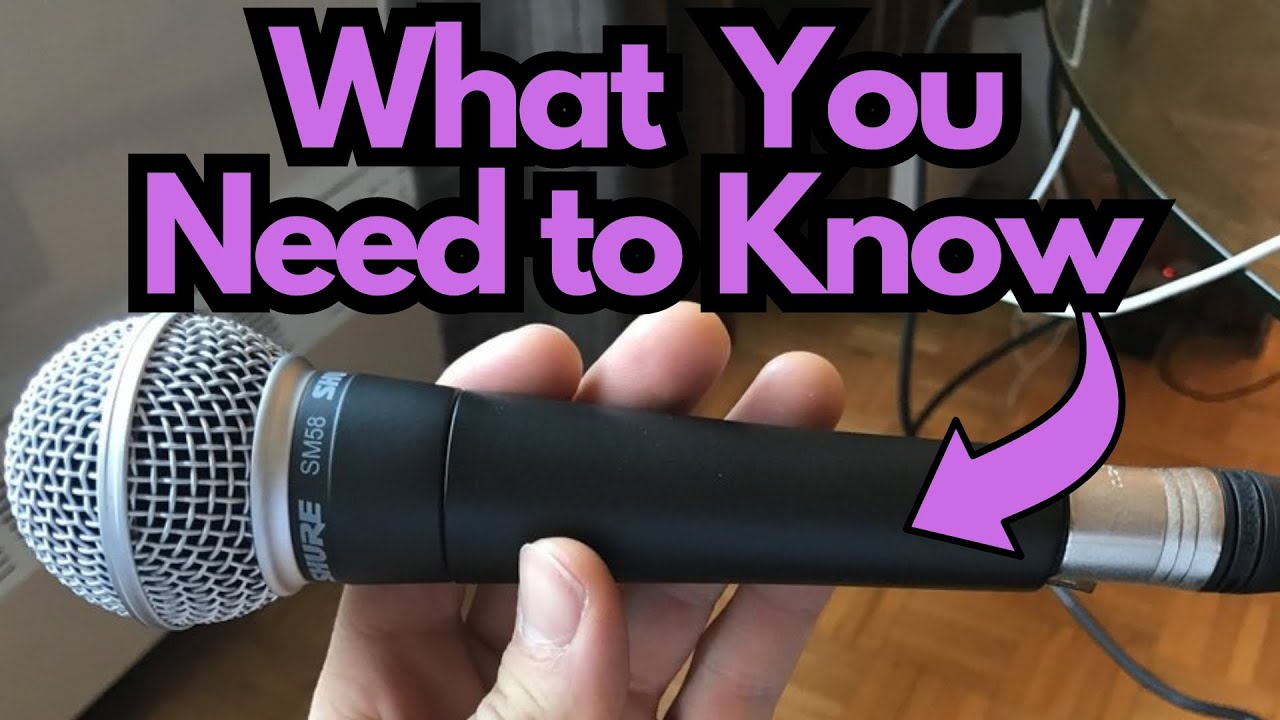
If you’ve spent any time around live music, you’ve seen a Shure SM58. It’s one of the most common microphones on the planet, especially for vocals on stage. But what happens when you try to use it for guitar amps or other instruments? Is it “wrong,” or just not ideal?
This post breaks down what the SM58 is designed for, how it compares to the SM57, and when it makes sense for guitarists and home recordists to reach for it.
You can grab one here on Amazon if you’re interested.
Overview / First Impressions
The Shure SM58 is a dynamic microphone that’s become the industry standard for live vocals. It’s everywhere because it’s:
- Reliable
- Tough as nails
- Easy to work with in a mix
It’s built around handling the human voice in a live setting, especially in front of loud stage monitors and PAs. That design focus influences its shape, frequency response, and overall sound.
Can you use it on a guitar amp? Yes. Is it the best tool for that job? Usually not—especially when the SM57 exists.
Build Quality & Design
The SM58 is famous for its durability. You can drop it, toss it in a gig bag, and generally abuse it, and it will keep working. From a practical, gigging perspective, that alone makes it worth the money.
A few key design elements:
- Ball grille: The rounded, spherical grille is designed with vocals in mind. It helps with:
- Handling plosives (those explosive “P” and “B” sounds)
- Protecting the capsule from spit, bumps, and rough handling
- Rugged construction: The body and grille are both built to survive stage use.
- Dynamic capsule: No phantom power needed. It can handle high SPL (sound pressure levels), so loud sources like amps or drums aren’t a problem.
From a guitarist’s perspective, that ball grille can sometimes make positioning on a speaker cone slightly less precise than a smaller, flatter-headed mic like the SM57. It’s not a deal-breaker, but it’s worth noting.
Features & Functions
Here are the key specs that matter:
- Type: Dynamic microphone
- Intended use: Live vocals (though it can be used for other sources)
- Frequency response:
- SM58: roughly 50 Hz – 15 kHz
- SM57: roughly 40 Hz – 15 kHz
That 10 Hz difference on the low end isn’t huge, but it’s part of a broader design philosophy: the SM58 is tuned for the human voice, while the SM57 is tuned more for instruments.
The SM58 also has:
- A presence boost in the upper mids to help vocals cut through a mix
- A roll-off in the extreme lows to reduce rumble and handling noise
How It Sounds / Use Cases
For Vocals
This is where the SM58 shines.
- Live vocals: It’s built for this. The frequency curve, plosive handling, and durability all make it ideal on stage.
- Rehearsals / practice: If you’re just jamming with a band and need a solid, no-drama vocal mic, the SM58 is perfect.
You’ll get a focused, mid-forward sound that sits nicely in a busy mix without a lot of fuss.
For Guitar Amps
You can absolutely use an SM58 on a guitar cab. There’s nothing inherently wrong with it.
However:
- The SM58’s response is shaped more for vocals, not for capturing the full character of a guitar amp.
- The upper midrange and presence curve are tailored to make voices pop, which can sometimes make guitars sound a bit less natural or less detailed than they would with an SM57.
- The SM57 generally has a flatter midrange response that’s better suited for instruments, especially electric guitar.
So if your main goal is recording or miking a guitar amp, the SM57 will usually be the better choice.
SM58 vs SM57 for Guitar
From a guitarist’s perspective, here’s the practical comparison:
SM58 Pros (for Guitar)
- Works in a pinch if it’s what you have on hand
- Handles loud amps easily
- Durable and reliable
- Can still get usable tones, especially with some EQ
SM58 Cons (for Guitar)
- Frequency response is optimized for vocals, not instruments
- Presence and mid shaping may not give you the most accurate or “true” representation of your amp
- The ball grille can make ultra-precise placement on the speaker slightly more awkward than a 57
SM57 Advantages (for Guitar)
- Better suited to guitar amps and instruments
- Flatter midrange response that captures more of your amp’s natural character
- Standard choice in studios and on stages for miking cabs
If you’re serious about recording guitars or consistently miking amps live, the SM57 is usually the smarter investment. If you already own an SM58, you can definitely use it—just understand you’re using a vocal-focused mic for an instrument job.
Limitations / Things to Know
A few things to keep in mind about the Shure SM58:
- Not a high-end studio vocal mic: It’s great for live use and rough recording, but it’s not a large-diaphragm condenser replacement.
- Vocals-first design: Its tuning is intentional—great for singers, only “okay” for instruments.
- You may need EQ: When used on guitar amps, you’ll probably do a bit more EQ shaping than you would with a mic designed for instruments.
Also, as the original reviewer notes, they’re not a hardcore microphone engineer—just a musician who understands the practical differences. From that practical standpoint, the SM57 is the safer bet for instruments.
Final Thoughts
The Shure SM58 is a legend for a reason: it’s one of the best, most reliable live vocal mics ever made. For singers, front-of-house engineers, and gigging bands, it’s almost a no-brainer.
For guitarists:
- If you already own an SM58 and want to mic your amp: use it. You can absolutely get workable tones.
- If you’re buying specifically for guitar amps or instruments: go with the Shure SM57 instead. Its flatter midrange and instrument-focused voicing make it better suited to that role.
There’s nothing “wrong” with using an SM58 on a guitar amp—it’s just not the most optimized tool when a 57 exists in the same price bracket.
Resources & Further Study
If you’re a guitarist looking to improve not just your tone but your understanding of the fretboard and harmony, check out this resource:
Fretboard Memorization Cheat Sheet
A practical guide to major and minor triads in every key, using octave mapping and other techniques to help you:
- Memorize the notes on the fretboard
- Understand triads as the foundation of chords and harmony
- Start improvising more confidently in multiple keys
You can find it here:
https://travelingguitarist.com/fretboard-cheatsheet
There’s also a forum where you can talk gear, guitar, and music with other players:
https://forum.travelingguitarist.com