

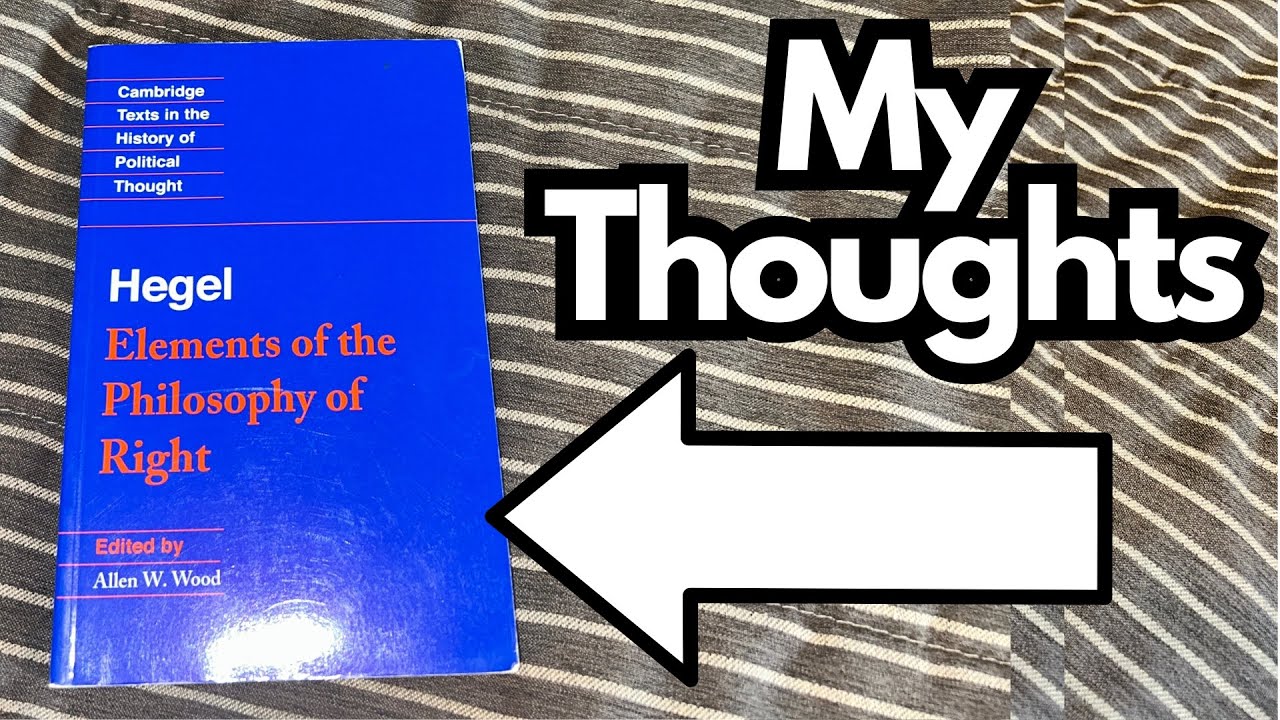
If you’re a guitarist or creative person who’s wandered into the world of political philosophy, you might eventually bump into Hegel. His work shows up in university syllabi, philosophy forums, and long reading lists that promise to “change how you see the world.”
But is his political philosophy actually worth reading? And more importantly: worth your time and effort? You can grab it here on Amazon.
This post gives a straight, no-nonsense take.
Overview / First Impressions
Hegel’s political philosophy is, frankly, one of the most demanding things you can pick up.
The writing is dense, abstract, and often dry to the point of being boring. If you’re used to clear, punchy writing—whether in music instruction, gear manuals, or modern non-fiction—Hegel will feel like hitting a brick wall.
That said, he’s also one of the most influential thinkers in Western political thought. A lot of later philosophers, political theorists, and even cultural critics are either building on Hegel or reacting against him. If you’re serious about political philosophy, he’s hard to ignore.
So you end up with this trade-off:
- Huge influence and importance
- Extremely difficult and often tedious to read
General Vibe of the Book
From a “design” standpoint—how the ideas are structured and presented—Hegel’s political philosophy is not user-friendly:
- The prose is thick and technical, with long sentences and abstract terminology.
- Key ideas are often buried in dense paragraphs.
- There’s very little in the way of an “on-ramp” explanation for new readers.
This isn’t the kind of book you casually flip through between practice sessions. It’s more like a long, demanding rehearsal with no breaks and no clear sense of progress until much later.
What the Book Actually Offers
If you decide to take it on, here’s what Hegel’s political philosophy brings to the table:
- Deep exploration of the state and freedom
Hegel digs into what it means to be free within a political community, not just as an isolated individual. - A systematic view of society
He tries to connect law, morality, family, civil society, and the state into one big, coherent structure. - Historical and rational perspective
Hegel sees political institutions as part of a rational historical process, not just random human decisions.
These “features” are why people still study him. The intellectual payoff can be big—if you can get through the material.
How It May Be Useful In Real Life
Who is this book actually for?
- Serious students of political philosophy
If you’re studying philosophy or political theory in a formal way, Hegel is almost required reading. You’ll see his fingerprints on Marx, critical theory, and a lot of modern political thought. - Readers who enjoy extreme difficulty
Some people genuinely like wrestling with very hard texts. If you’re the kind of person who enjoys reading Kant for fun, Hegel might be right up your alley. - Those wanting to understand later thinkers
If you want to understand where certain modern political ideas come from, Hegel is a key part of that genealogy.
If you’re a guitarist or musician who just wants some light, inspiring reading about creativity or culture, this is absolutely not that.
Limitations / Things to Know
Before you dive in, it’s worth being honest about the downsides:
- It’s extremely boring for many readers
Not just “a bit dry”—this can be one of the most boring books you’ll ever attempt, especially without guidance. - High barrier to entry
You’ll probably need secondary sources, lectures, or guides just to make sense of what’s going on. - Not practical for casual reading
If you only have limited reading time outside of work, practice, and life, this may not be the best way to spend it—unless political philosophy is a genuine passion.
Final Thoughts
If you’re really into political philosophy and want to engage with one of its most challenging and influential figures, Hegel’s political philosophy can be worth the effort. It’s dense, demanding, and often painfully boring—but it also sits at the heart of a huge amount of later thought.
If you’re not deeply invested in political theory, there are far more accessible thinkers and books that will give you insight into politics, freedom, and society without the same level of frustration.
In short:
- For hardcore political philosophy readers: yes, this is for you—just be prepared to work.
- For everyone else: you’re not missing out on a fun read by skipping it.