

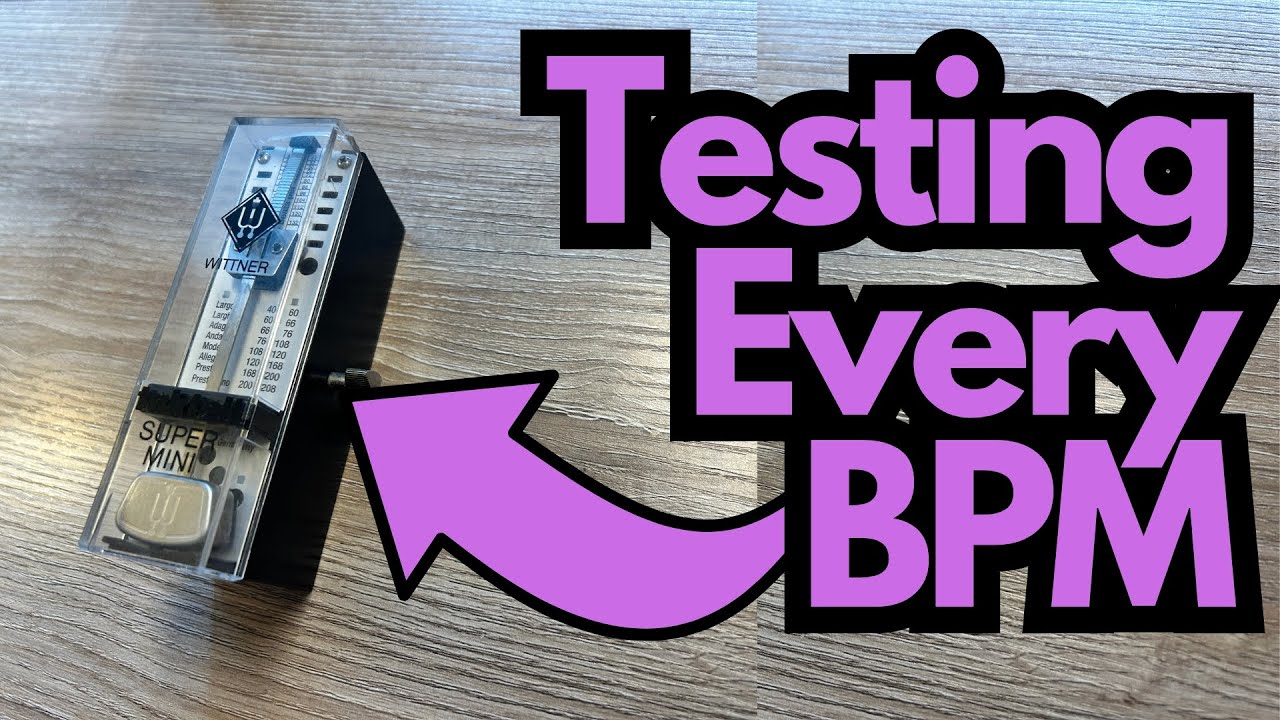
If you practice guitar seriously, a metronome stops being “optional” pretty quickly. But not all metronomes are created equal. Some are noisy, clunky to adjust, or just plain annoying to be around for more than five minutes. You can grab one here on Amazon if you’re interested.
This one stands out because it’s smooth to operate, accurate, and—maybe most importantly—pleasant to listen to. If you’re the kind of player who wants a reliable, musical-feeling timekeeper for daily practice, this metronome is worth a look.
Overview / First Impressions
The first thing that jumps out is how easy this metronome is to live with:
- The tempo adjustment is smooth and precise.
- The click sound is gentle, not harsh or piercing.
- It feels solid and responsive across a wide tempo range.
From slow, disciplined practice at 40 BPM all the way up to fast drills above 200 BPM, it keeps steady time without any drama. It’s the kind of metronome you can turn on and forget about—exactly what you want when you’re trying to focus on your playing.
Build Quality & Design
While the exact model isn’t specified, a few design traits come across clearly:
- Smooth tempo control: Moving through the tempo range feels controlled and refined, not jumpy or stiff.
- Clear tempo markings: Tempos like 40, 60, 80, 84, 128, 168, and 208 BPM are easy to access and set, even if they’re a bit hard to see on camera.
- Solid feel: It comes across as a high-quality piece of gear, not a cheap throwaway accessory.
For guitarists, that means:
- You’re not fighting the device to set tempos between songs or exercises.
- It’s robust enough for daily practice sessions.
Features & Functions
Here’s what stands out in actual use:
Wide Tempo Range
- Starts as low as 40 BPM
- Goes up through common practice tempos like 60, 80, 84, 128, 168, and up to around 208 BPM
- Great for everything from slow, deliberate technique work to high-speed alternate picking or shred runs
Consistent Click Sound
- The click is gentle and controlled, unlike some metronomes that sound aggressive or fatiguing.
- Works well for long practice sessions where you don’t want the timekeeper itself to be a distraction.
Easy Tempo Adjustment
- Moving from one tempo to another feels smooth and intuitive.
- You can quickly jump between slow and fast settings without fuss, which is ideal for:
- Gradual tempo increases on a lick or scale
- Alternating between “slow practice” and “performance tempo”
How It Sounds: Use Cases for Guitarists
The Click: Musical, Not Annoying
The click is described as gentle—not the kind of harsh, plasticky sound that drills into your skull. That matters more than people think. A nicer click means:
- Less ear fatigue during long sessions
- Easier focus on tone, timing, and feel
- Better experience when practicing with cleaner or quieter guitar tones
Slow Tempos: The Real Test
The reviewer makes a strong point: slow tempos are where a metronome really proves its quality.
At 40 BPM, each click is 1.5 seconds apart. Any inconsistency or mechanical weirdness becomes obvious. On this metronome:
- The timing remains steady and reliable.
- The click remains clear and easy to lock into, even when the space between beats is huge.
For guitarists, that’s crucial for:
- Slow, controlled alternate picking
- Timing-focused legato or sweep picking
- Practicing subdivisions (eighths, triplets, sixteenths) over a slow pulse
- Groove work: funk, jazz comping, and pocket playing
Fast Tempos: High-Speed Practice
At the other end of the spectrum, tempos like 168 BPM and 208 BPM are perfect for:
- Shred practice and fast scale runs
- Tight palm-muted riffs
- Building endurance and speed while staying in time
The metronome stays stable and clear at these faster tempos, so you’re not chasing a wobbly or muddy beat.
Limitations / Things to Know
A few practical notes based on the description:
- No major complaints: The reviewer explicitly mentions having no complaints about its performance.
- Gentle click may be quiet for some: While the softer click is a big plus for many, players in loud environments might prefer something with a louder or more piercing tone—or plan to keep it close by.
- Visual markings can be hard to see on camera: That suggests the tempo markings are clear in person but may not be bold enough for distance viewing or video work.
Overall, these are minor points compared to the core strengths: reliability, sound, and feel.
Final Thoughts
This metronome checks the boxes that actually matter to guitarists:
- Accurate and stable at both very slow and very fast tempos
- Smooth to adjust, making tempo changes effortless
- Pleasant click sound that doesn’t wear you out
- High build quality with a solid, premium feel
If you’re serious about tightening your timing, cleaning up your technique, or just building better practice habits, this is the kind of metronome that becomes a long-term part of your setup—not something you replace in six months.